
Ukraine War Sees Russia's Slowest Summer Advance Since Invasion Began
Russian advances in the Ukraine war have slowed to their lowest pace of the full-scale war this summer, with monthly territorial gains sometimes under 100 square kilometres, while a majority of Ukrainians now expect the conflict to continue into 2027 or later.
Slowed Russian Offensive This Summer
Russia has advanced more slowly this summer than at any point during the full-scale war, according to war experts. [3] Monthly territorial gains have sometimes fallen below 100 square kilometres, a pace far below previous summers. [3] Expert Emil Kastehelmi of the Black Bird Group described Russian achievements as extremely limited, noting that no significant movement has been achieved. [3] Some assessments indicate Russia lost more territory than it captured during spring and summer 2026. [3] Russian forces continue a slow advance toward Kramatorsk and Sloviansk in eastern Ukraine, yet overall progress remains minimal. [3]
Ukrainian Public Expectations and Resilience
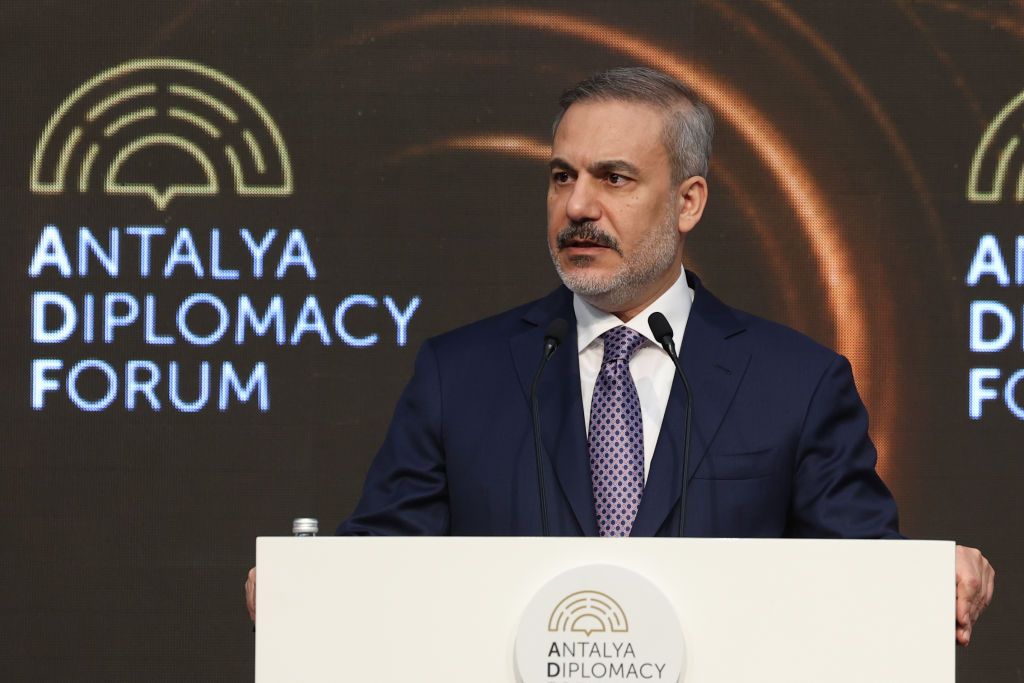
A Kyiv International Institute of Sociology survey conducted from 20 July to 3 August 2026 found that 45% of Ukrainians believe the war may not end before the second half of 2027. [2] Only 21% expect the war to end by the close of 2026, while an additional 15% anticipate an end by the first half of 2027. [2] The share of respondents ready to endure the war for as long as necessary has risen to 61%, up from 48% in April 2026. [2] In Kyiv the figure increased from 61% in April to 69% amid intensive Russian strikes on the capital. [2] All regions showed a trend toward greater willingness to continue as long as needed. [2]
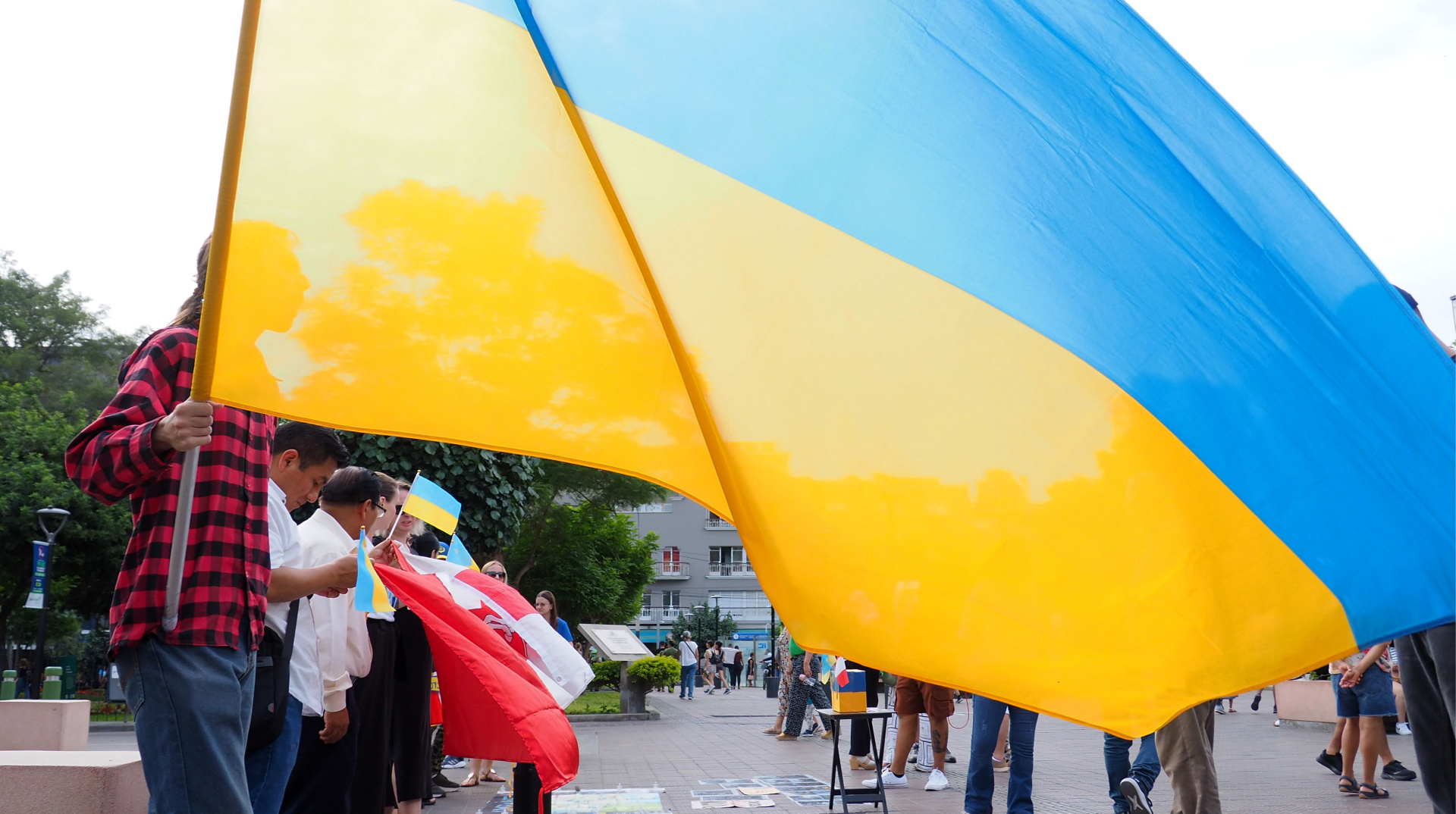
Ukrainians expect the war with Russia to continue into 2027 or later, survey shows. — Source: ukrainskapravda
Russian Manpower Shortages and Expanded Prisoner Recruitment
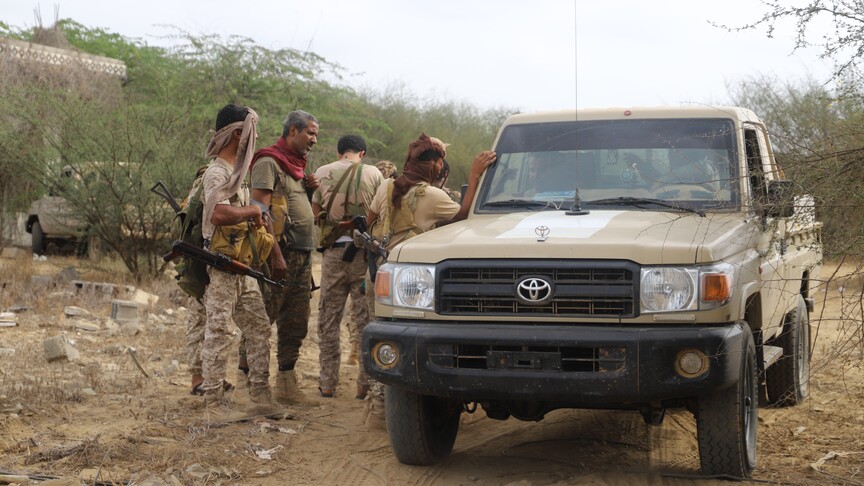
Russia has expanded eligibility for prisoner recruitment to include those convicted of gang crimes, drug trafficking, illegal border crossing organisation, and theft of state secrets or radioactive materials. [4] President Vladimir Putin signed the law change after it passed parliament earlier in the summer. [4] Monthly Russian casualties stand at around 30,000 killed, wounded or missing, exceeding the roughly 27,000 new recruits obtained each month, according to the Center for Strategic and International Studies. [4] Up to 450,000 Russian soldiers are estimated to have died since the start of the war through June of this year. [4] Reports indicate men have been detained on streets or at workplaces in cities such as Penza and pressured to sign contracts. [4] Experts describe the recruitment expansion as a sign of desperation. [4]
Daily Life Amid Strikes in Odesa
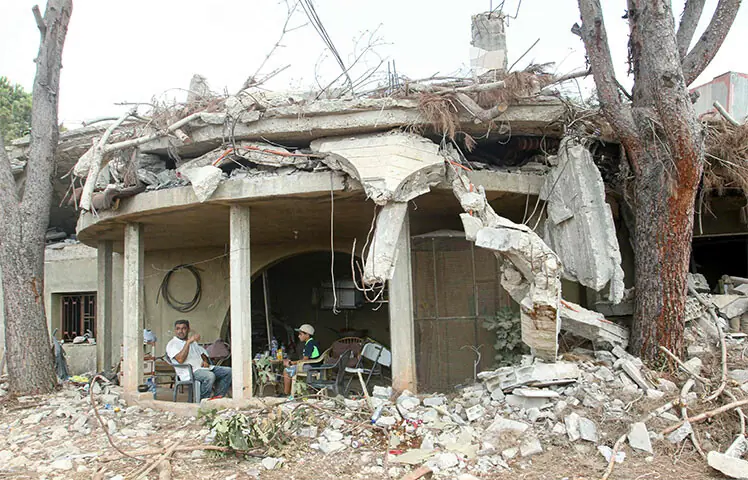
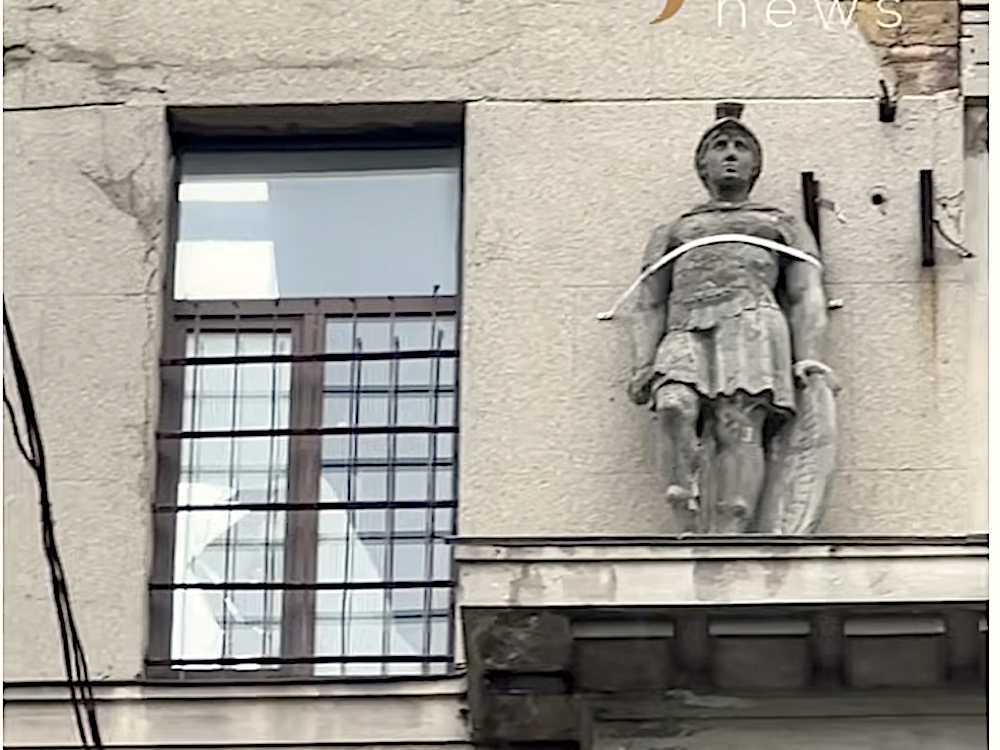
Odesa residents alternate between beach days and bomb shelters as Russian forces conduct frequent combined drone and missile strikes in daylight. [1] Attacks have damaged residential neighbourhoods, historic buildings including heritage sites and universities, ports, logistics hubs and warehouses. [1] Explosions and air defence activity interrupt normal city sounds while beaches remain crowded and cafés stay open. [1] Missiles have been intercepted directly over the coastline on multiple occasions. [1] The strikes target critical infrastructure and disrupt Black Sea export routes. [1]
Russian military advances in eastern Ukraine slowed to their lowest pace this summer. — Source: ylenews
Zelenskyy Goal and Expert Doubts
Ukrainian President Volodymyr Zelenskyy has set a goal of ending the war by winter. [3] Experts express skepticism, citing Russia’s apparent unwillingness to accept failure to achieve even minimal territorial objectives in Donbas. [3] Analyst Emil Kastehelmi noted uncertainty over whether Russia sees negotiations as possible under current conditions. [3] Researcher Pentti Forsström observed signs that Russia may prepare for a larger offensive, citing Ukraine’s air defence challenges and Western support issues. [3] Possible Russian options include partial mobilisation after September parliamentary elections or use of Belarusian territory. [3] War fatigue is evident in Russian society as the conflict approaches five years. [3]
Humanitarian Impact
The war has created a protracted humanitarian crisis driven by intensifying aerial bombardments and attacks on critical energy and civilian infrastructure that worsened during the 2025–2026 winter. [5] Large-scale displacement has resulted, with 3.4 million people internally displaced. [5] The situation continues through mid-2026 amid ongoing hostilities. [5]
What to watch next: Russia may consider partial mobilisation after the September parliamentary elections, while Ukrainian public resolve to endure the conflict remains high across regions.