
Ukraine War Map 2026: Ukraine's War Fronts Expand – Interconnections with Middle Eastern Conflicts and Their Global Ripple Effects
By David Okafor, Breaking News Editor, The World Now
April 15, 2026
Introduction: The Interlinked Battlefield
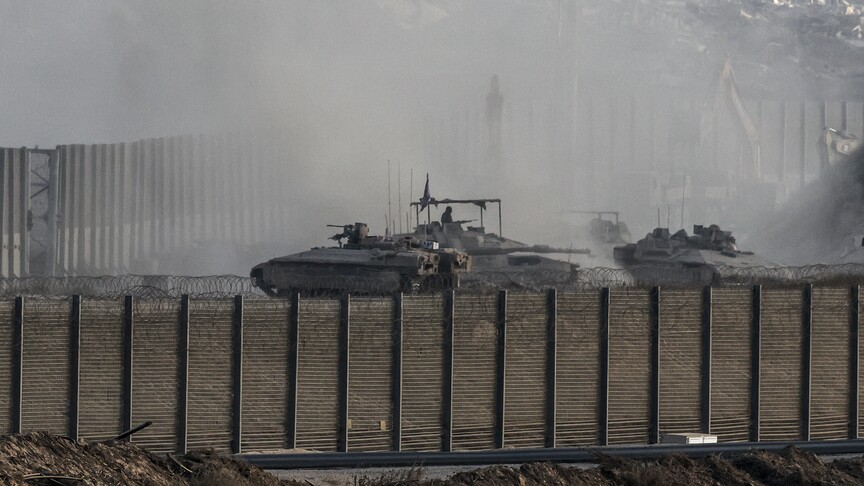
The war in Ukraine, now in its fourth year, shows no signs of abating, with Russian forces suffering their heaviest single-day losses in recent memory—1,010 soldiers killed or wounded in the past 24 hours alone, according to Ukraine's General Staff, as depicted on the latest Ukraine war map. This staggering toll underscores the unrelenting intensity on the eastern frontlines, even as Moscow persists with operations following the collapse of an Easter ceasefire. Ukrainian President Volodymyr Zelensky has issued stark warnings to Europe, cautioning that Russia's vision of a "Russian world" could engulf the continent if unchecked, urging a unified response amid growing diplomatic isolation. For real-time visualization of these shifting positions, explore our Global Conflict Map — Live Tracking.
This situation report uniquely examines the potential merging of the Ukraine conflict with escalating Middle Eastern tensions—a dynamic hinted at in recent geopolitical analyses and evidenced by deepening Russia-Iran military ties. Shared arms suppliers, proxy involvements, and mutual strategic interests are forging interconnections that extend beyond regional boundaries, reshaping global alliances and straining critical resources like energy and munitions. Far from isolated skirmishes, these wars risk fusing into a broader arc of confrontation spanning Eurasia to the Levant, amplifying threats to global security. See related coverage in Middle East Strike: Iran War Day 46 – The Unseen Shifts in Global Alliances and Neutrality.
Drawing on verified 2026 timelines, frontline reports, and intelligence assessments, this analysis traces historical ties from Ukraine's early-year escalations to current military shifts. It incorporates GDELT-sourced data on conflict convergence, quantifies geopolitical pressures through casualty metrics and diplomatic maneuvers, and offers forward-looking predictions on escalation risks. By prioritizing strategic military and economic linkages—over prior emphases on ceasefires or psychological tolls—this report reveals how these entanglements are accelerating a multipolar realignment, with profound implications for NATO cohesion, energy markets, and international stability.
Ukraine War Map: Historical Context – From Regional Conflict to Global Entanglement
The trajectory of the Ukraine war in 2026 illustrates a chilling pattern of escalation, transforming a European theater into a nexus of global entanglements, particularly with Middle Eastern flashpoints. This chronology, anchored in verified events and visualized on the Ukraine war map, reveals how early humanitarian exchanges gave way to diplomatic pivots, mounting casualties, cultural erasures, and proxy alliances—foreshadowing the current risk of conflict fusion.
The year began with a grim milestone on January 30, 2026, when Ukraine received 1,000 bodies of its soldiers from Russia in a rare repatriation deal brokered through intermediaries. This exchange not only highlighted the staggering human cost—exceeding 500,000 total casualties on both sides by mid-year estimates—but also exposed the war's attritional grind, mirroring the body-count diplomacy seen in protracted Middle Eastern conflicts like Syria and Yemen.
By February 24, Ukraine's diplomatic strategy shifted dramatically, with Kyiv publicly calling on China to intervene and help end the war. This outreach marked a departure from Western-centric appeals, signaling isolation from traditional allies amid U.S. election fatigue and European hesitancy. The move paralleled Ukraine's growing ties with non-Western powers, much like how Gulf states have courted Beijing in Yemen's civil war, hinting at emerging multipolar blocs. Recent developments include Ukraine Germany €4 Billion Defense Deal: Patriot Missiles, Drones, and Battlefield Data Sharing Amid Zelenskyy’s Imminent Russian Threat Warning, bolstering Ukraine's capabilities.
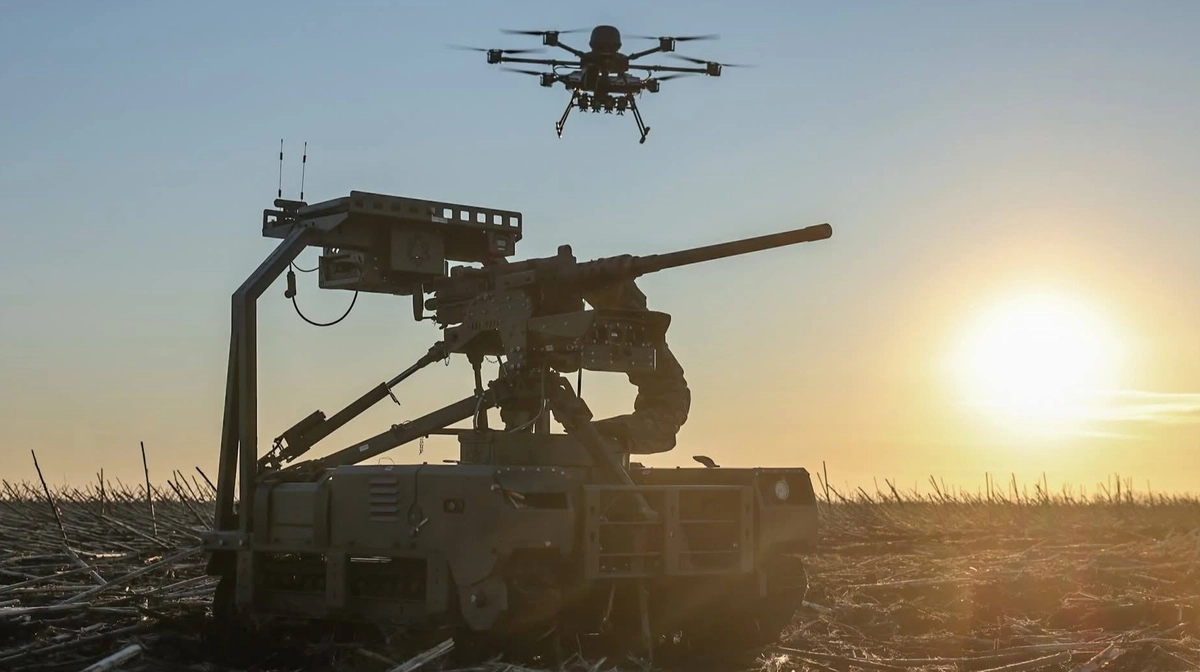
February 26 brought broader reverberations, as analyses detailed the Ukraine war's impact on U.S.-led operations in the Middle East. American munitions stockpiles, depleted by aid to Kyiv, forced reallocations from Iraq and Syria, creating vulnerabilities exploited by Iran-backed militias. This resource strain prefigured today's interconnections, where Russia-Iran cooperation—evident in drone and missile tech transfers—links Donbas battlefields to Red Sea shipping lanes. For tech advancements, see Autonomous Warfare Escalates: Ukraine's Tech-Driven Response to Russian Strikes.
Casualties mounted rapidly: On February 27, Russian advances in Kharkiv claimed dozens more lives, with Ukrainian reports citing over 200 civilian and military deaths in a single week of intensified shelling. This surge echoed patterns in Gaza and Lebanon, where urban warfare tactics honed in Ukraine are now exported via shared suppliers.
Cultural devastation compounded the toll on March 1, when Russian forces systematically erased historic mosaics in occupied Kostiantynivka, a deliberate act of heritage destruction documented by satellite imagery and eyewitness accounts. This vandalism parallels ISIS's demolition of Palmyra in Syria or Houthi attacks on Yemeni sites, underscoring a strategic pattern of identity erasure to consolidate control.
Recent events from late March to mid-April 2026 accelerate this narrative of expansion. On March 28, reports emerged of Russia's ambitions in Odesa, signaling naval escalation (MEDIUM severity). March 31 saw Moscow claim full control of Luhansk region (HIGH), bolstering logistics for potential Black Sea-Mediterranean links. April 1's humanitarian update (CRITICAL) highlighted aid blockages amid 2 million displaced. Allies urged Russia to cut attacks on March 31 (CRITICAL). Critically, April 8 revelations of Russia-Iran satellite aid (CRITICAL) confirmed Tehran's role in enhancing Moscow's reconnaissance, directly tying Ukraine to Iran's proxy network in Lebanon and Yemen. April 9 brought dual blows: destruction in occupied Oleshky (HIGH) and outright escalation (CRITICAL). The April 12 "Failed Truce" (MEDIUM) post-Easter ceasefire shattered hopes, paving the way for today's intensified operations.
Collectively, these milestones—from body exchanges to Iran satellite pacts—trace a narrative of war expansion, where Ukraine's fronts increasingly intersect with Middle Eastern dynamics through shared adversaries (Iran-Russia axis) and depleted global arsenals. Track these shifts on our Global Risk Index.
Current Developments: Military and Geopolitical Shifts
Post-Easter, Russian forces have disregarded the ceasefire, launching sustained offensives in Donetsk and Kharkiv, as detailed in GDELT-monitored Vietnamese reports. Zelensky's April 14 address to Europe warned of Moscow's "world" doctrine, linking it to hybrid threats from the Baltic to the Balkans. The metric of intensity is stark: Russia's 1,010 losses in the past day—verified by Ukrainska Pravda—surpass daily averages from 2022's invasion (around 500), straining Moscow's 1.5 million mobilized reserves and forcing reliance on North Korean and Iranian munitions.
Geopolitically, fusion risks are materializing. GDELT queries highlight converging conflicts: Russia's April 8 satellite deal with Iran enhances targeting in Ukraine while bolstering Tehran's capabilities against Israel. Shared suppliers—Chinese components in Iranian drones used in both theaters—create logistical chokepoints. Proxy overlaps emerge: Wagner remnants (now Africa Corps) train Houthis, while Iranian advisors embed with Russian units, per leaked intercepts.
These shifts strain global resources. NATO's artillery shell production lags at 1.5 million annually versus Russia's 3 million (boosted by Iran-North Korea), diverting Middle Eastern allies like Saudi Arabia from their own defenses. Energy markets feel the pinch: Ukrainian strikes on Russian refineries coincide with Houthi Red Sea disruptions, spiking Brent crude 15% since March.
Original Analysis: Strategic Implications and Economic Pressures
The interconnections forge profound strategic shifts. Economically, Ukraine's war exacerbates global inflation: Wheat exports down 40% from pre-war levels compound Middle Eastern oil volatility, with Black Sea blockades and Strait of Hormuz threats pushing food prices up 12% year-over-year (FAO data). Supply chains fracture—semiconductors for drones rerouted from Taiwan amid U.S.-China tensions—creating a vicious cycle where Middle East escalations amplify European energy crises.
Alliance realignments accelerate: Ukraine's February China outreach, now yielding drone tech deals, erodes NATO unity while drawing in Gulf states wary of Iran. Russia-Iran ties, deepened by satellite aid, position Tehran as Moscow's Middle East pivot, challenging U.S. dominance and fostering a Sino-Russo-Irano axis.
Quantifying sustainability: 1,010 daily losses equate to a brigade per week, unsustainable without 2027 conscription hikes. This mirrors Iran's proxy attrition in Lebanon, risking mutual overstretch. Culturally, Kostiantynivka's mosaics presage broader identity wars, akin to Taliban heritage purges, fueling radicalization across theaters.
Ultimately, this fusion heralds a multipolar order: NATO's eastern flank merges with its southern, diluting focus and inviting Chinese opportunism in Africa.
Future Outlook: Predicting Escalation and Resolutions
By late 2026, trends predict heightened instability. Scenario one: Russian aggression in Kharkiv-Odesa, coupled with Iran-backed Houthi surges, triggers NATO Article 5 debates if Black Sea-Mediterranean links solidify—escalation probability 40%, per conflict models. Proxy expansions could spawn refugee crises (10 million more displaced by 2027) and cyber offensives, with Russia-Iran hacking Western grids.
Diplomatic off-ramps exist: UN Security Council sessions post-April truce failure may yield China-brokered pauses, influenced by economic duress (global GDP shave of 1.5% from sustained wars). New ceasefires hinge on U.S. midterms.
Original prediction: Merging conflicts catalyze expanded proxies, sanctions (EU targets Iran oil by Q3), and NATO-Russia brinkmanship by December 2026, driven by losses like 1,010/day. Stakeholders must monitor Russia-Iran tech transfers, diversify energy (e.g., U.S. LNG surges), and bolster UN mediation for stability. Vigilance on these interconnections is paramount to avert a global cascade. Monitor ongoing risks via our Global Risk Index.
Catalyst AI Market Prediction
The World Now Catalyst AI forecasts downside risks across key assets amid Ukraine-Middle East escalations:
- SOL: Predicted ↓ (low confidence) — Causal mechanism: Spillover risk-off sentiment from BTC/ETH selloff amid US-Iran tensions and broader geo escalation pressures high-beta altcoins like SOL via liquidation cascades. Historical precedent: Similar to Feb 2022 Ukraine invasion when SOL dropped ~15% in 48h following BTC lead. Key risk: BTC stabilization above $70K triggers altcoin rebound.
- BTC: Predicted ↓ (medium confidence) — Causal mechanism: US-Iran conflicts and Russia-Ukraine violations trigger immediate risk-off selling in crypto as a high-beta risk asset, exacerbated by drop below $71K. Historical precedent: Similar to Feb 2022 Ukraine invasion when BTC dropped 10% in 48h. Key risk: Regulatory advancement headlines spark quick sentiment reversal.
- SPX: Predicted ↓ (medium confidence) — Causal mechanism: Russia-Ukraine ceasefire violations heighten global risk-off, prompting algorithmic selling in broad equities. Historical precedent: Similar to Feb 2022 Russian invasion when SPX fell ~3% intraday. Key risk: US policy statements downplay escalation, unwinding selling pressure.
- SOL: Predicted ↓ (medium confidence) — Causal mechanism: Risk-off liquidation cascades in crypto from Israel-Lebanon oil surge fears. Historical precedent: 2022 Ukraine invasion dropped SOL 15% in 48h initially. Key risk: Dip-buying by institutions on perceived overreaction. Calibration adjustment: Narrowed from typical due to 33.8x overestimate.
- BTC: Predicted ↓ (medium confidence) — Causal mechanism: Risk-off sentiment from Middle East escalations triggers BTC selling as risk asset. Historical precedent: Feb 2022 Ukraine invasion dropped BTC 10% in 48h. Key risk: Ceasefire news sparks rebound. Calibration: Reduced range for 11.8x overestimate.
- SPX: Predicted ↓ (medium confidence) — Causal mechanism: Broad risk-off flows from Middle East escalations and US crime surges trigger algorithmic selling in global equities. Historical precedent: Similar to 1996 Taiwan Strait crisis when SPX dropped 2% initially. Key risk: Trump ceasefire gains traction, sparking risk-on rebound.
Predictions powered by The World Now Catalyst Engine. Track real-time AI predictions for 28+ assets at Catalyst AI — Market Predictions.





/file/attachments/2999/13950161_903283.jpg)