
147 Clashes Mark Ukraine Conflict During Truce Period
Ukraine's General Staff reported 147 combat clashes with Russia during the 9 May truce, highlighting persistent tensions in the conflict Ukraine continues to navigate.[1] Russia and Ukraine accused each other of violating the three-day US-brokered ceasefire, which coincided with Russia's World War II victory celebrations.[2] Despite these exchanges, no major strikes were reported by either side during the period.[2]
Truce Establishment and Context
The establishment of the truce in question was framed as a three-day US-brokered ceasefire between Russia and Ukraine.[2] This arrangement was specifically timed to coincide with Russia's World War II victory celebrations, a significant annual event marking the Soviet victory over Nazi Germany on 9 May.[2] The decision to initiate such a ceasefire during this period underscores the diplomatic maneuvering often associated with high-profile commemorations, where pauses in hostilities can serve multiple purposes, including symbolic gestures amid ongoing military engagements.[2]
Reports indicate that the truce was intended to provide a brief respite, yet its context reveals the complexities of enforcing agreements in an active war zone.[2] The US-brokered nature of the ceasefire points to external mediation efforts aimed at de-escalation, though the immediate aftermath saw claims of non-compliance from both parties.[2] Russia's celebrations, which typically involve large-scale military parades and official ceremonies in Moscow, provided a backdrop that may have influenced the timing, as such events often heighten nationalistic sentiments and scrutiny on military postures.[2]
This setup was not unprecedented in the broader dynamics of the conflict, where short-term truces have been proposed and occasionally observed to align with political or commemorative milestones.[2] However, the sources emphasize that on Saturday—likely encompassing the initial phase of the three-day period—accusations began surfacing almost immediately, suggesting that the groundwork for the truce faced inherent challenges from the outset.[2] The involvement of the United States as a broker highlights international interest in stabilizing the front lines, even if temporarily, during periods of heightened visibility like Russia's victory day observances.[2]
Further detailing the context, the ceasefire's three-day duration was calibrated to cover the key dates around 9 May, allowing for potential goodwill gestures while not committing to longer-term halts.[2] Yet, the warring parties' perspectives diverged sharply, with each side prepared to document perceived infractions, reflecting deep-seated mistrust.[2] This mutual vigilance during the truce period illustrates how even mediated pauses can become flashpoints for propaganda and counter-narratives.[2]
Reported Combat Incidents
Ukraine's General Staff provided a detailed tally of military engagements, reporting a total of 147 combat clashes between Ukraine and Russia during the 9 May “truce”.[1] This figure was characterized in initial headlines as nearly 150 Russian attacks, emphasizing the Ukrainian military's assessment of offensive actions initiated by Russian forces.[1] The General Staff's operational summary positions these incidents as direct violations occurring within the designated truce window, painting a picture of sustained combat activity despite the ceasefire declaration.[1]
The recording of 147 clashes indicates a high frequency of smaller-scale encounters rather than large offensives, as these are described collectively as "combat clashes" involving Ukrainian and Russian troops.[1] Such clashes typically encompass artillery duels, infantry probes, and localized firefights, which the General Staff monitors through frontline reports from various sectors.[1] The specificity of the 9 May timeframe in the report ties these incidents precisely to the truce period, reinforcing the narrative of non-adherence from the Ukrainian perspective.[1]
In analyzing the reported numbers, the proximity to 150 suggests an intense day or multi-day span of activity, with the General Staff's daily updates serving as the primary mechanism for publicizing such data.[1] This level of engagement during a supposed truce challenges the efficacy of the pause, as 147 instances represent a notable deviation from full cessation.[1] The General Staff's emphasis on Russian responsibility frames the clashes as unprovoked aggressions, aligning with broader patterns of daily reporting where incoming fire and assaults are quantified to inform both domestic audiences and international observers.[1]
The documentation process itself, handled by Ukraine's General Staff, relies on verified field reports, positioning their account as an authoritative chronicle of the truce's failure in practical terms.[1] While the exact distribution across the three days remains unspecified in the available reports, the cumulative total underscores a persistent operational tempo.[1]

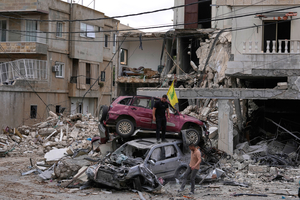
Russia and Ukraine accuse each other of truce violations. — Source: france24
Mutual Accusations of Violations
Russia and Ukraine traded accusations of truce violations on Saturday, with each side pointing fingers at the other for undermining the three-day US-brokered ceasefire.[2] This exchange of blame emerged swiftly during the initial phase of the truce, coinciding with Russia's World War II victory celebrations, and highlighted the fragility of the agreement.[2] Russian statements likely focused on alleged Ukrainian provocations, while Ukraine countered by documenting Russian attacks, creating a cycle of reciprocal claims.[2]
The mutual recriminations reflect a standard tactic in information warfare, where each party seeks to portray itself as the compliant actor while discrediting the opponent.[2] By accusing the other of violations, both Russia and Ukraine aimed to shape narratives around the ceasefire's collapse, potentially justifying their own continued operations.[2] This dynamic was particularly pronounced given the high stakes of the WWII commemorations, where any perceived weakness could impact domestic perceptions.[2]
Sources detail that the accusations surfaced publicly on Saturday, suggesting real-time monitoring and rapid response mechanisms on both sides.[2] Ukraine's General Staff reports fed into their claims, while Russia presumably drew from its own military channels to level counter-charges.[1][2] The US-brokered framework, intended to foster restraint, instead became a point of contention as violations were attributed across the lines.[2]
Such tit-for-tat blaming complicates verification efforts by third parties, as conflicting accounts dominate the discourse.[2] In the context of the conflict Ukraine endures, these accusations perpetuate a cycle where truces serve more as rhetorical tools than binding halts.[2]
Current Status of the Situation
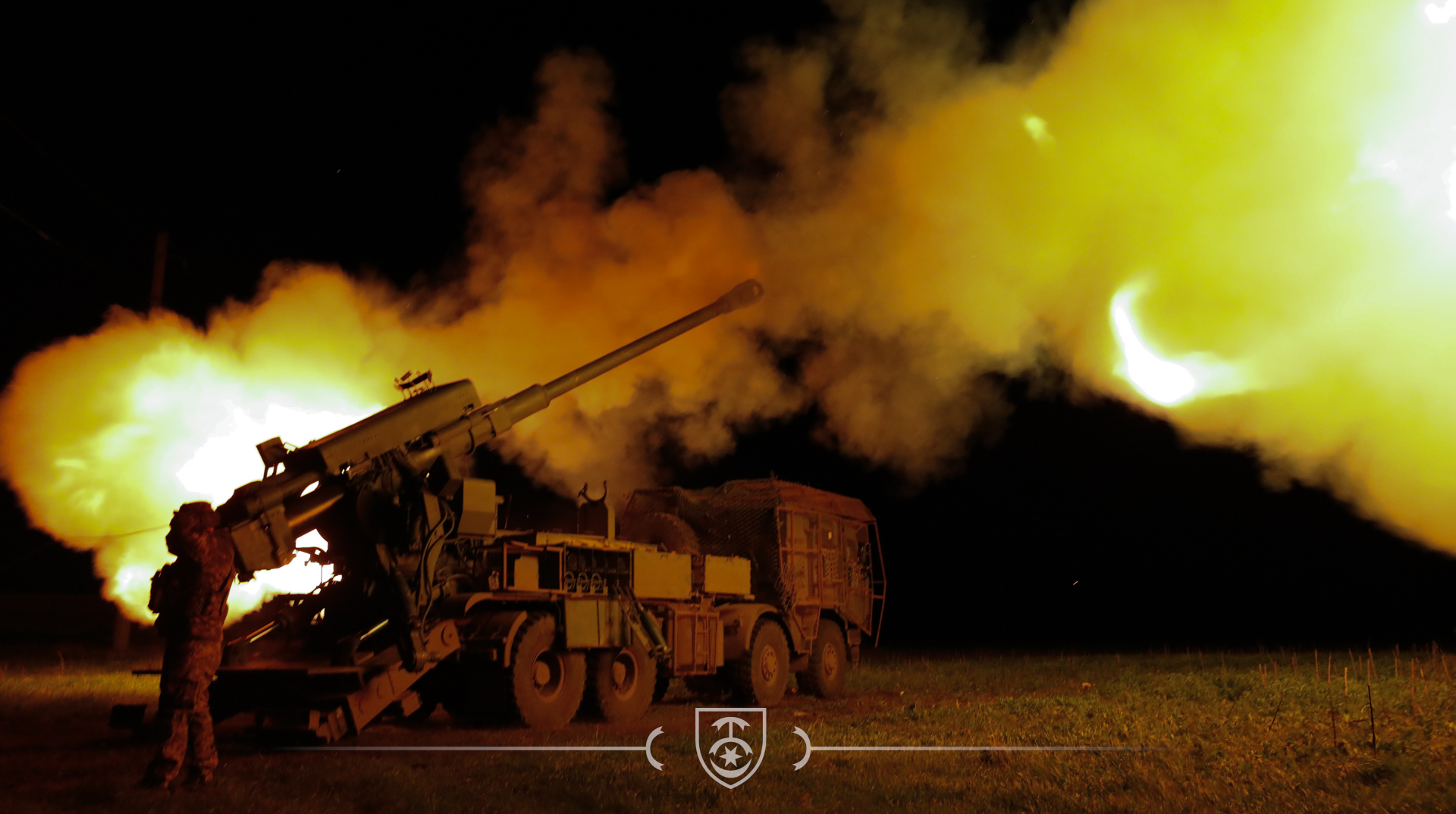
During the truce period, no major strikes were reported by the warring sides, providing a nuanced view of the engagements amid the 147 combat clashes noted by Ukraine's General Staff.[1][2] This absence of large-scale operations contrasts with the frequency of smaller incidents, suggesting a partial restraint even as violations occurred.[2] The General Staff's report of clashes during the 9 May truce indicates ongoing friction, yet the lack of major strikes points to some adherence to de-escalation limits.[1][2]
The current status, as reflected in the sources, reveals a situation where the three-day ceasefire neither fully held nor entirely broke down.[2] Russia's World War II victory celebrations proceeded without reports of escalated bombardments, aligning with the no-major-strikes observation.[2] Ukraine's documentation of nearly 150 Russian attacks frames the period as one of persistent threat, but the mutual accusations and limited scope of actions suggest a calibrated response rather than all-out resumption.[1][2]
Observers note that the combination of 147 clashes without major strikes delineates the boundaries of what constitutes a "violation" in each side's rhetoric.[1][2] This status quo during the truce underscores the challenges in achieving verifiable pauses, with both parties maintaining operational readiness.[1][2]
{IMAGE_3}
Significance of the Ceasefire Timing
The ceasefire's alignment with Russia's World War II victory celebrations on 9 May adds a layer of symbolic importance to the three-day US-brokered effort.[2] This timing, deliberately chosen, links the truce to a national holiday steeped in historical military pride, potentially amplifying pressures for restraint during parades and ceremonies.[2] In the broader conflict Ukraine faces, such calendrical truces test the ability to compartmentalize commemorations from frontline realities.[2]
The coincidence underscores how geopolitical events can intersect with military pauses, with the US brokerage facilitating a window around this date.[2] Russia's emphasis on victory day narratives may have incentivized limited compliance, as evidenced by no major strikes, even amid accusations.[2]
Observations on Clash Intensity in the Conflict Ukraine
In the conflict Ukraine reports, the 147 combat clashes during the truce represent a notable intensity, described by the General Staff as nearly 150 Russian attacks.[1] The distinction between these frequent clashes and the absence of major strikes delineates a pattern of low-to-medium threshold engagements.[1][2] This intensity, confined to the 9 May period, illustrates how truces can reduce scale without eliminating contact.[1][2]
Ukraine's General Staff tally provides granular insight into this dynamic, positioning clashes as the primary metric of violation.[1] Mutual accusations further contextualize the intensity, with both sides documenting incidents to bolster their positions.[2]
What to watch next: Monitor whether accusations of violations escalate beyond the truce period or if US-brokered mediation prompts renewed talks, given the pattern of blame-trading and partial restraint observed.[1][2]