Ukraine war features three-day ceasefire during Russia's Victory Day parade.
Russia held a scaled-down Victory Day parade in Moscow as a temporary ceasefire in the Ukraine war took effect, marking a brief pause amid ongoing hostilities.[3] The Kremlin has stated that peace in Ukraine remains a distant prospect,[2] while President Vladimir Putin described Russian forces as battling an aggressive force backed by NATO during his address at the event.[5] A US-brokered three-day truce between Ukraine and Russia is in place from May 9 to May 11,[4] with US President Donald Trump voicing hopes for its extension.[4] Concerns over the Ukraine war have intensified around the time of the parade.[1]
Overview of the Victory Day Parade
Moscow's annual Victory Day parade, commemorating the Soviet victory over Nazi Germany in World War II, proceeded on a notably reduced scale this year, reflecting the strains of the ongoing Ukraine war.[3][5] Typically marked by pomp and grandeur, the event on Red Square featured President Putin's address but was tempered by recent developments in the conflict.[5] A spate of Ukrainian long-range attacks in recent weeks prompted adjustments to the parade's format, underscoring the direct impact of the war on Russia's traditional celebrations.[5]
The parade's diminished scope highlights how military commitments in Ukraine have reshaped public displays of national pride.[3] Putin has long centered his 25-year rule around the memory of the World War II triumph, using Victory Day as a key platform for rallying domestic support and projecting strength.[5] This year's event, however, came at a time when worries over the Ukraine war were deepening, with the capital hosting the procession amid heightened security and logistical challenges tied to the front lines.[1][3]
In his speech, Putin framed the current conflict as continuous with historical struggles, portraying Russian soldiers as defenders against external aggression.[5] The scaled-down nature—fewer troops, limited heavy weaponry displays, and curtailed rehearsals—signals resource allocation toward the Ukraine theater rather than ceremonial excess.[3] Eyewitness accounts and media coverage emphasized the parade's sobriety, with Red Square's vast expanse feeling more austere under cloudy skies, a visual metaphor for the war's toll.[1][5]
This Victory Day unfolded precisely as the temporary ceasefire began, creating a juxtaposition of celebration and restraint.[3] The event served not only as a commemoration but also as a venue for Putin to reinforce his narrative of resilience, linking past victories to present-day battles.[5] Observers noted that the parade's reduced footprint avoided overextension of forces needed elsewhere, a pragmatic choice amid the Ukraine war's demands.[1][3] The ceremony concluded without major incidents, but its muted tone left an impression of a nation prioritizing survival over spectacle.[5]
Details of the Temporary Ceasefire
The three-day ceasefire between Russia and Ukraine, brokered by the United States, officially commenced on May 9 and is set to run through May 11.[3][4] Both nations confirmed the agreement on Friday, with the truce aiming to provide a short window for de-escalation in the Ukraine war.[4] US President Donald Trump announced the arrangement earlier via Truth Social, detailing its parameters and expressing optimism for its prolongation.[4]
This temporary halt represents a rare coordinated pause since the conflict's escalation, though its brevity underscores the fragility of such initiatives.[3] Russia and Ukraine's mutual acknowledgment of the ceasefire terms indicates a level of diplomatic engagement facilitated by Washington, potentially opening avenues for further talks.[4] The timing aligns directly with Moscow's Victory Day observances, suggesting strategic considerations to avoid clashes during the high-profile event.[3]
Details from official statements reveal that the truce covers frontline activities, prohibiting offensive actions during the specified period.[4] Trump's involvement highlights renewed US mediation efforts, building on prior attempts to curb the violence.[4] Confirmation from both warring parties lends credibility to the ceasefire's implementation, though past truces have faced violations, raising questions about enforcement mechanisms.[3][4]
In the context of the Ukraine war, this pause offers a momentary reprieve for civilians and troops alike, allowing for humanitarian gestures or resupply without immediate combat.[3] The US-brokered nature positions it as an external push for restraint, with Trump's public call for extension signaling intent to leverage the momentum.[4] As the parade unfolded in Moscow, the ceasefire's activation symbolized a tentative step back from the brink, monitored closely by international actors.[3]

Russia's scaled-down Victory Day parade in Moscow during Ukraine ceasefire. — Source: cnn
Key Statements from Leaders
President Vladimir Putin delivered a combative address at the Victory Day parade, asserting that Russian forces in Ukraine are confronting an "aggressive force" backed by the entirety of NATO.[5] He described his war goals as "just," weaving the current Ukraine conflict into the historical tapestry of Soviet defiance against fascism.[5] This rhetoric positions the invasion as a defensive necessity, echoing themes Putin has emphasized throughout his tenure.[5]
The Kremlin's separate statement reinforced a pessimistic outlook, declaring that peace in Ukraine "is still a very long way off."[2] This assessment from Moscow's inner circle tempers any optimism from the ceasefire, suggesting entrenched positions on both sides.[2] Putin's parade speech, delivered to assembled troops on Red Square, amplified these views, portraying NATO as the instigator behind Ukrainian resistance.[5]
These pronouncements occurred against the backdrop of the scaled-down festivities, where the usual grandeur was curtailed due to war-related pressures.[5] Putin's emphasis on NATO's role serves to justify sustained military efforts, framing the Ukraine war as part of a broader geopolitical confrontation.[5] The Kremlin's peace commentary, meanwhile, dismisses near-term resolutions, aligning with Putin's unyielding stance.[2]
Leaders' words during this period carry weight, shaping domestic morale and international perceptions.[2][5] Putin's address, lasting several minutes, reiterated the "justness" of operations in Ukraine, linking them to the WWII victory narrative central to Russian identity.[5] Such statements amid the ceasefire's start highlight the disconnect between diplomatic pauses and rhetorical escalation.[2]
International Reactions and Future Outlook
US President Donald Trump expressed hope that the three-day Ukraine-Russia ceasefire could be extended beyond its May 9-11 timeframe.[4] In his Truth Social post announcing the US-brokered deal, Trump underscored the potential for this pause to evolve into something more enduring, reflecting Washington's stake in de-escalation.[4] Russia and Ukraine's confirmation of the truce validates the international push, with Trump's optimism signaling possible follow-up diplomacy.[4]
This reaction from the US contrasts with Moscow's downbeat assessment, illustrating divergent visions for the Ukraine war's trajectory.[2][4] Trump's call for prolongation positions the ceasefire as a testing ground for broader negotiations, amid concerns over prolonged stalemate.[4] International attention fixates on whether this brief truce can build trust or merely serve as a tactical breather.[4]
The future outlook hinges on adherence during these days, with external parties like the US poised to advocate expansion.[4] Trump's involvement revives memories of prior mediation bids, suggesting persistent American interest in influencing outcomes.[4] As reactions pour in, the emphasis remains on transforming the temporary measure into lasting calm.[4]

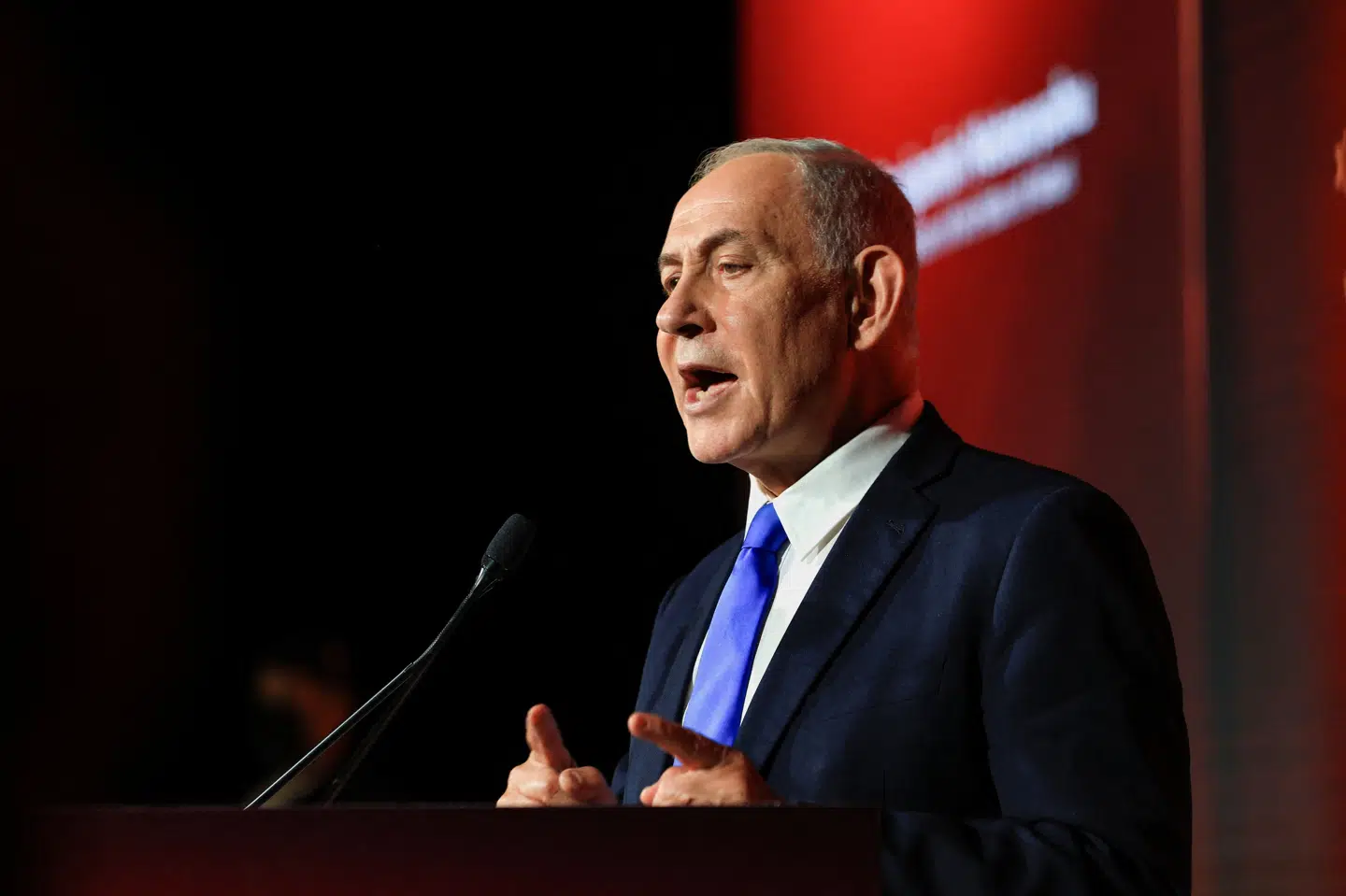
US President Donald Trump expresses hope for extending the Ukraine-Russia ceasefire. — Source: cyprusmail
Broader Context of the War
Worries over the Ukraine war have deepened significantly around the time of Moscow's Victory Day parade.[1] This escalation in concerns reflects the conflict's protracted nature, with recent events amplifying global anxieties.[1] The parade's occurrence amid these heightened tensions underscores the war's pervasive influence on Russian domestic affairs.[1]
The deepening apprehensions tie into ongoing battlefield dynamics and diplomatic hurdles, as evidenced by the Kremlin's peace pessimism.[1][2] Moscow's hosting of the event symbolizes continuity, yet the scaled-down format betrays the war's resource drain.[1][3] International observers note that these worries extend to economic repercussions and alliance strains, all exacerbated by the Ukraine war's duration.[1]
In this broader frame, the ceasefire emerges as a flicker of hope against mounting pressures.[1][3] The parade's timing amplifies these context, blending celebration with conflict realities.[1] Deepening worries signal a critical juncture, where the Ukraine war's evolution could redefine regional stability.[1]
Victory Day's Role in Russian Narrative
Victory Day holds profound significance in Russia, with Putin leveraging the Soviet triumph over Nazi Germany as a cornerstone of his 25-year rule.[5] The annual Red Square parade typically exudes pomp, but this year's scaled-down version was shaped by a spate of Ukrainian long-range attacks, prompting security adjustments.[5] This narrative links WWII heroism to the present Ukraine war, portraying Russian forces as heirs to that legacy.[5]
Putin's address reinforced this continuity, using the platform to affirm the "just" nature of operations against NATO-backed aggression.[5] The event's grandeur, even reduced, serves to bolster national unity amid war strains.[5] Historically, Victory Day has been a spectacle of military might, but current constraints highlight shifting priorities toward the front.[5]
This framing contextualizes the ceasefire within Russia's self-image as a defender against encirclement.[5] The parade's role persists as a morale booster, intertwining past glories with contemporary resolve in the Ukraine war.[5]
What to watch next
As the three-day ceasefire concludes on May 11, attention will focus on potential extensions amid Trump's hopes and the Kremlin's assertion that peace remains distant.[2][4] Compliance during this period and leaders' subsequent statements could signal paths toward negotiation or renewed escalation in the Ukraine war.[3][5]