
Ukraine Strikes Russian Radar Station and Depots in Kherson and Donetsk
Ukraine strikes have focused on Russian military infrastructure in multiple regions, with defence forces hitting a Bussol-S radar station near Khorly in Kherson Oblast along with logistics and ammunition depots and UAV control stations over the past 24 hours. [1] These actions form part of ongoing operations reported by the General Staff of the Armed Forces of Ukraine.
Ukrainian Strikes on Russian Targets
Ukraine strikes detailed by the General Staff included a Bussol-S radar station near Khorly in Kherson Oblast on 20 July and during the night of 20-21 July. [1] In addition, an enemy logistics depot in Davydovske, Donetsk Oblast, an ammunition depot in Kundriuche, Luhansk Oblast, and a logistics depot near Popovo-Lezhachi in Russia's Kursk Oblast were struck. [1] Enemy UAV ground control stations were also struck near Komar in Donetsk Oblast, Kamianske in Zaporizhzhia Oblast, and the village of Zaporizhzhia in Donetsk Oblast. [1] The General Staff statement emphasised that these targets were selected to disrupt Russian operations, with the Bussol-S radar representing a specific asset engaged during the reported period. [1] Further context from the report notes that the strikes occurred across a 24-hour window, encompassing both daytime and overnight activity on 20 July and the following night. [1] The logistics and ammunition sites hit in Donetsk, Luhansk, and Kursk oblasts were described as storage points supporting enemy forces, while the UAV ground control stations near Komar, Kamianske, and Zaporizhzhia were targeted to affect drone operations. [1] This series of actions aligns with the General Staff's routine updates on defensive force engagements, highlighting the geographic spread from Kherson Oblast to locations inside Russia itself. [1]
Russian Attack on Odesa
Russian forces attacked Odesa on 21 July with missiles and drones, damaging residential and administrative buildings in the city centre. [3] Civilian infrastructure facilities including residential buildings and some administrative buildings were damaged in the city centre of Odesa. [3] A 17-year-old boy and a 23-year-old woman were among those injured, with the boy sustaining a shrapnel wound to his back and the woman a cut to her leg; both were taken to hospital while a third person received treatment at the scene without hospitalisation. [3] The attack occurred in the middle of the working day on one of Odesa's central streets. [3] A residential building in the Odesa district was also damaged by the blast wave from a missile strike. [3] Local officials including Serhii Lysak, Head of Odesa City Military Administration, Oleh Kiper, Head of Odesa Oblast Military Administration, and Serhii Krasylenko, Deputy Head of Odesa City Military Administration, confirmed the details of the damage and injuries. [3] This incident followed a separate Russian strike on 20 July that killed three people and injured six others at a privately owned civilian business in Odesa. [3]
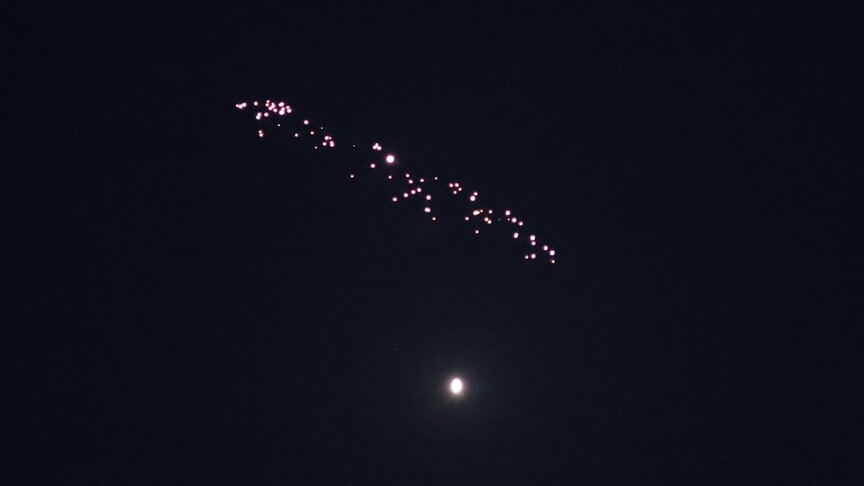
Ukrainian forces struck a Russian Bussol-S radar station near Khorly in Kherson Oblast. — Source: hindustantimes
Repeated Strikes on Kharkiv Gas Facilities
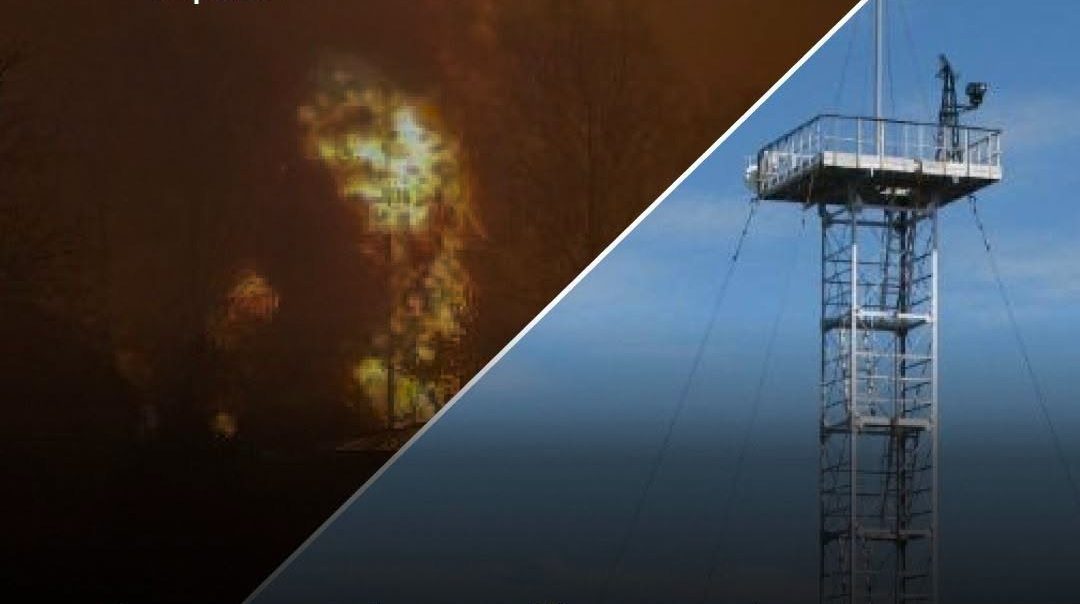
Russia has deliberately been targeting Naftogaz gas production facilities in Kharkiv Oblast for three consecutive days. [4] On Sunday 19 July, a fire broke out following a strike on one of the company's production facilities, which firefighters from the State Emergency Service quickly extinguished. [4] The equipment had to be shut down, resulting in the loss of some production capacity. [4] On the morning of Monday 20 July, Russia struck another facility, causing extensive damage whose scale is still being assessed. [4] During both attacks, employees were in shelters and no one was injured. [4] Earlier on 17 July, Russia launched a large-scale drone attack on one of Naftogaz Group's gas production facilities in Kharkiv Oblast, marking the 250th attack on the company's facilities since the beginning of the year. [4] The pattern of strikes over these three days has led to repeated shutdowns and damage assessments at the affected sites. [4]
Cargo Ship Strike and Indian Casualties
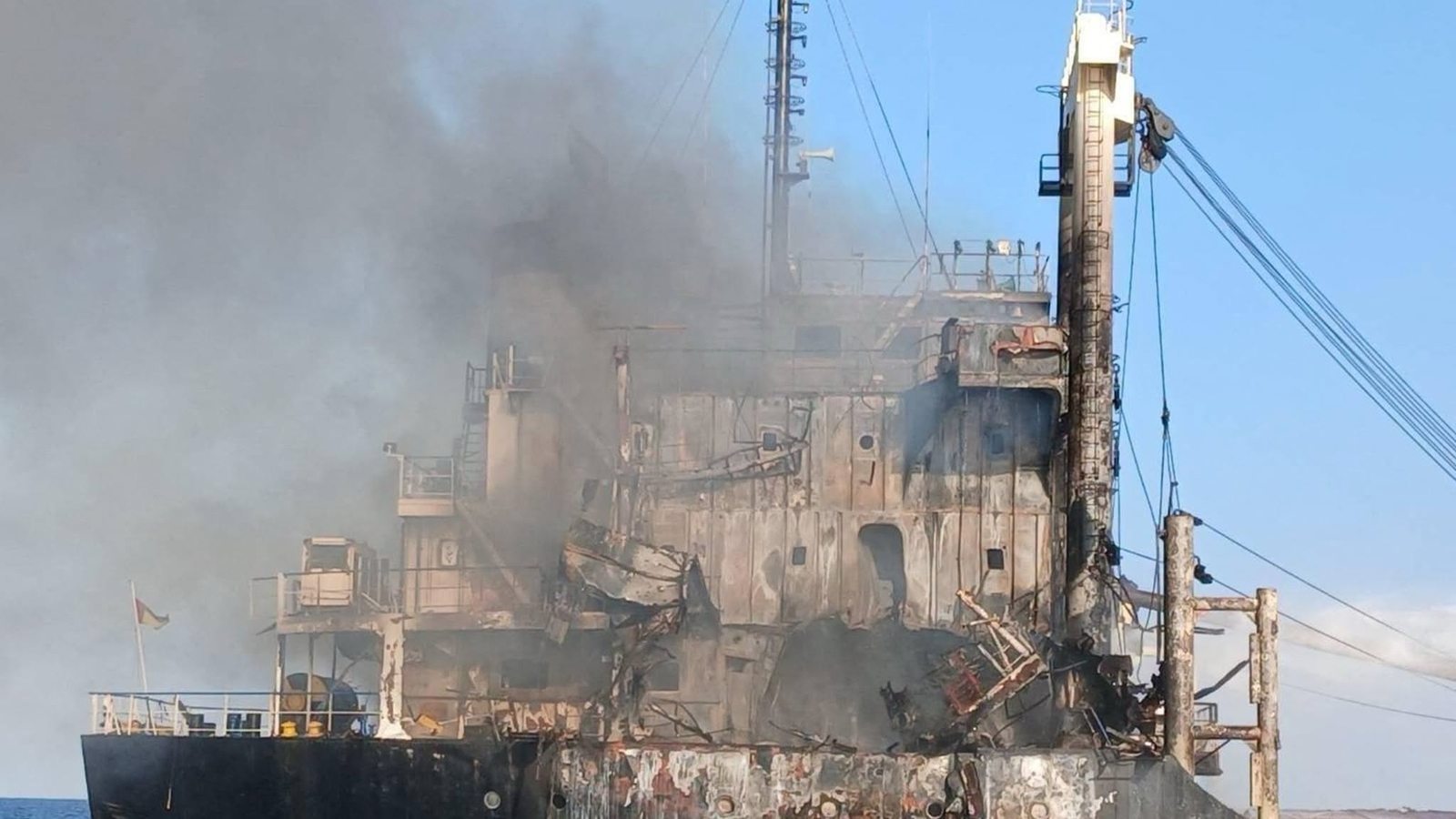
A Russian missile strike on the cargo ship MV Golden Leo near Odesa on 19 July killed four Indian seafarers and injured one. [2] The strike hit the Guinea-Bissau-flagged ship manned by a crew from India and Syria with three cruise missiles as it was leaving the port of Odesa. [2] Along with the four Indian nationals killed, one was hospitalised in a critical condition. [2] India's Ministry of External Affairs stated that the mission in Ukraine is closely monitoring the situation and making every effort to extend all possible assistance to those affected. [2] The ministry extended deepest condolences to the families of the deceased Indian nationals and wished the injured Indian national a speedy and full recovery. [2] India summoned the senior-most Russian diplomat, Russian chargé d’affaires Vladimir Ladanov, to convey an unequivocal condemnation of the attack on the commercial vessel MV Golden Leo on 19 July. [2] The Kremlin stated it was in touch with Indian authorities after the incident, with spokesperson Dmitry Peskov noting the ongoing contact. [2]
Broader Black Sea Shipping Incident
Romania reported that a ship heading to Ukraine was struck off its coast, adding regional context to the pattern of incidents affecting vessels in the Black Sea area. [5] This report follows the strike on the MV Golden Leo and underscores the risks to commercial shipping routes connected to Ukrainian ports. [5]
What to watch next: Continued Russian targeting of Naftogaz facilities in Kharkiv Oblast and further Ukrainian strikes on logistics and radar assets remain under monitoring following the three-day pattern and 24-hour operations already reported.