
Ukraine Reclaims 176 Square Kilometers in Operation Vivaldi Counteroffensive in Most Dangerous Countries
Ukraine's Third Army Corps has reclaimed 176 square kilometers of territory through Operation Vivaldi while inflicting over 5,000 Russian casualties and capturing 250 troops in one of the most dangerous countries amid ongoing high-intensity assaults that have produced record monthly losses. [3] [4]
Territorial Gains in Operation Vivaldi
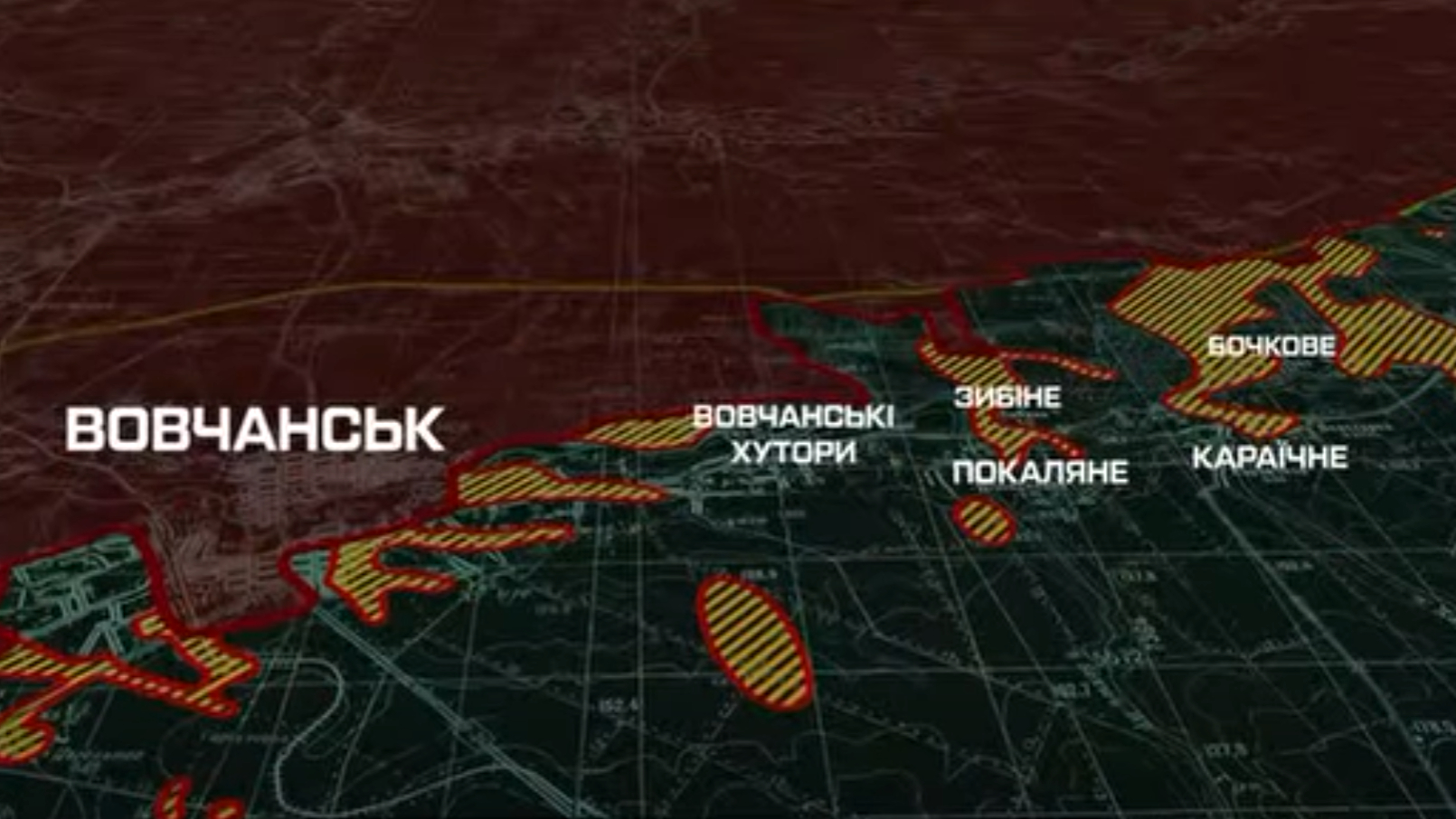
The Third Army Corps liberated the villages of Shandryholove and Derylove in Donetsk Oblast and established full control over Drobysheve as part of its Vivaldi offensive operation. [1] The Forpost Border Guard Brigade regained control of more than 10 square kilometers in its sector of the South Slobozhanshchyna front since taking responsibility in June, killing 118 Russian soldiers and capturing seven. [1] Operation Vivaldi has restored Ukrainian control over 176 square kilometers of territory in recent weeks around Lyman. [3] [4] Corps commander Brigadier General Andriy Biletsky said the operation succeeded by feigning an attack from the west and then attacking from the north. [4]
Daily Combat Activity and Russian Assaults
A total of 194 combat clashes occurred in the past day, with the highest numbers on the Kostiantynivka front where Ukrainian forces repelled 21 Russian attacks and the Pokrovsk front where they repelled 19. [2] On the South Slobozhanshchyna, Kupiansk and Lyman fronts, the Russians conducted eight attacks each, while seven attacks were recorded on the Huliaipole front. [2] On the Sloviansk front and the Oleksandrivka front, four Russian assaults were recorded each. [2] On the Orikhiv and Prydniprovske fronts, the Russians conducted one attack each, and on the Kramatorsk front the Russians did not conduct any offensive operations. [2] Ukraine's Air Force and Rocket Forces and Artillery struck one UAV ground control station, one cluster of Russian assault groups, one logistics facility, five artillery systems and one Russian command post. [2]
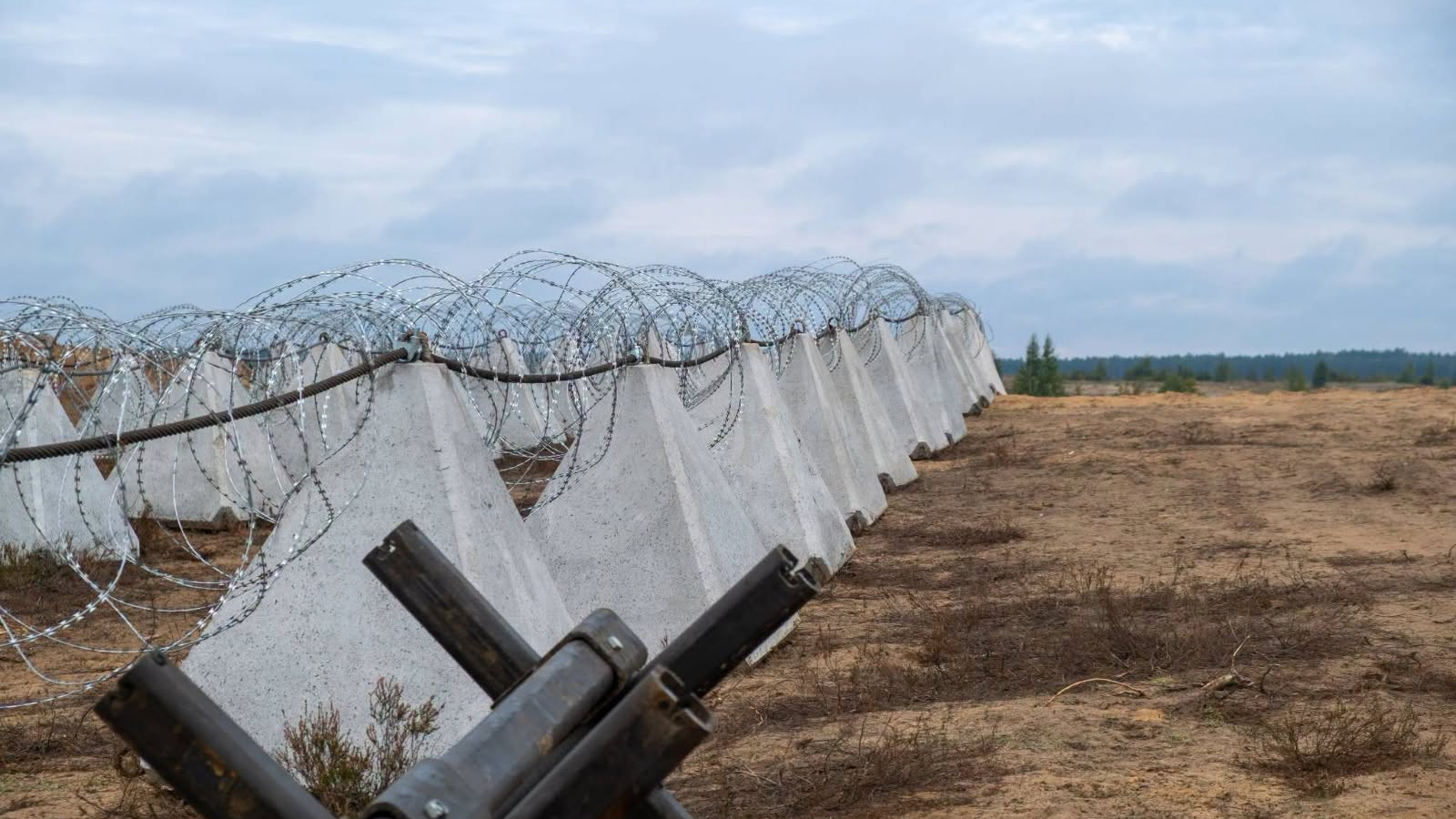
Ukrainian forces advance during Operation Vivaldi near Lyman in Donetsk Oblast. — Source: ukrainskapravda
Russian Casualties and Ukrainian Tactics
Russia suffered a record 46,230 casualties in September, with a single-day high of 2,090 on September 28. [4] Ukrainian forces used drones, robotic systems, and tactical deception in Operation Vivaldi. [3] [4] The NC13 Strike UGV Unit has conducted over 100 successful operations using drones to deploy unmanned ground vehicles deep into Russian rear areas for strikes, logistics disruption, and prisoner captures. [3] Ground robotic systems carried out 80 percent of logistics and 90 percent of casualty evacuations during stages of Operation Vivaldi. [3] The Third Army Corps separately reported 2,000 Russian personnel losses during the most recent phase alone. [3] Ukraine says it forced 250 Russian soldiers to surrender in the operation. [5]
Russian Strikes on Ukrainian Infrastructure
Russia pounded Ukraine’s cities during the past week, striking energy infrastructure but also residential buildings, kindergartens, schools, office buildings and other nonmilitary targets. [4] Several people were killed on September 28 when a drone destroyed part of the National Academy of Sciences in Kyiv. [4] Kyiv experienced power outages on September 30 when Russian drones struck a thermal power plant in the Kyiv region. [4] At least five people were killed across the country. [4] Russia has also targeted data centres during September in an apparent effort to disrupt connectivity and digital commerce. [4] On September 30 Russia tested a drone with a cumulative cutting warhead specifically designed to destroy high-voltage pylons. [4]
Ukrainian Deep Strikes on Russian Targets
Ukraine struck the Perm and Novoshakhtinsk refineries on September 25 and the Ilsky refinery the following day. [4] Two days later Ukrainian drones struck four oil deposits in the Krasnodar Krai region. [4] On September 25 Ukraine struck the NPP Zavod Iskra factory which makes electronic components for the Kh-59 cruise missiles and the Pantsir-S air defence system. [4] Ukraine also struck the Efremovsky Synthetic Rubber Plant which makes solid rocket fuel for the Iskander-M ballistic missile. [4] The next day Ukraine hit the foundry and five buildings of the Azov Optical-Mechanical Plant which makes optics for artillery, missile and antitank weapons. [4]
Broader Strategic Implications in Most Dangerous Countries
Ukraine has spent more than four years fighting a technologically adaptive conventional war against Russia and its troops have accumulated experience in drones, electronic warfare, robotic systems, battlefield artificial intelligence, communications, and rapid-cycle weapons development under conditions no NATO military has experienced at a comparable scale. [3] NC13 Commander Mykola Zinkevych noted that Western allies have some understanding of what Ukraine is deploying but do not seem to fully grasp its importance and value on the battlefield or the extent to which the battlefield itself has changed. [3] Both Russia and Ukraine have outspent their defence budgets for the year. [4] Ukraine said it was looking for an additional $27 billion in meetings with the European Commission and the International Monetary Fund. [4] Russia has spent 30 percent more on its war in the first half of the year than the same period last year according to the Ukraine Foreign Intelligence Service. [4]
What to watch next: Russia plans to spend $12 billion on jet-powered drones and loitering munitions next year while Ukraine believes it can manufacture Patriot interceptors faster and more cheaply than its allies if the technology is shared.