
Ukraine Loses F-16 in Combat Mission as Russian Strikes Intensify
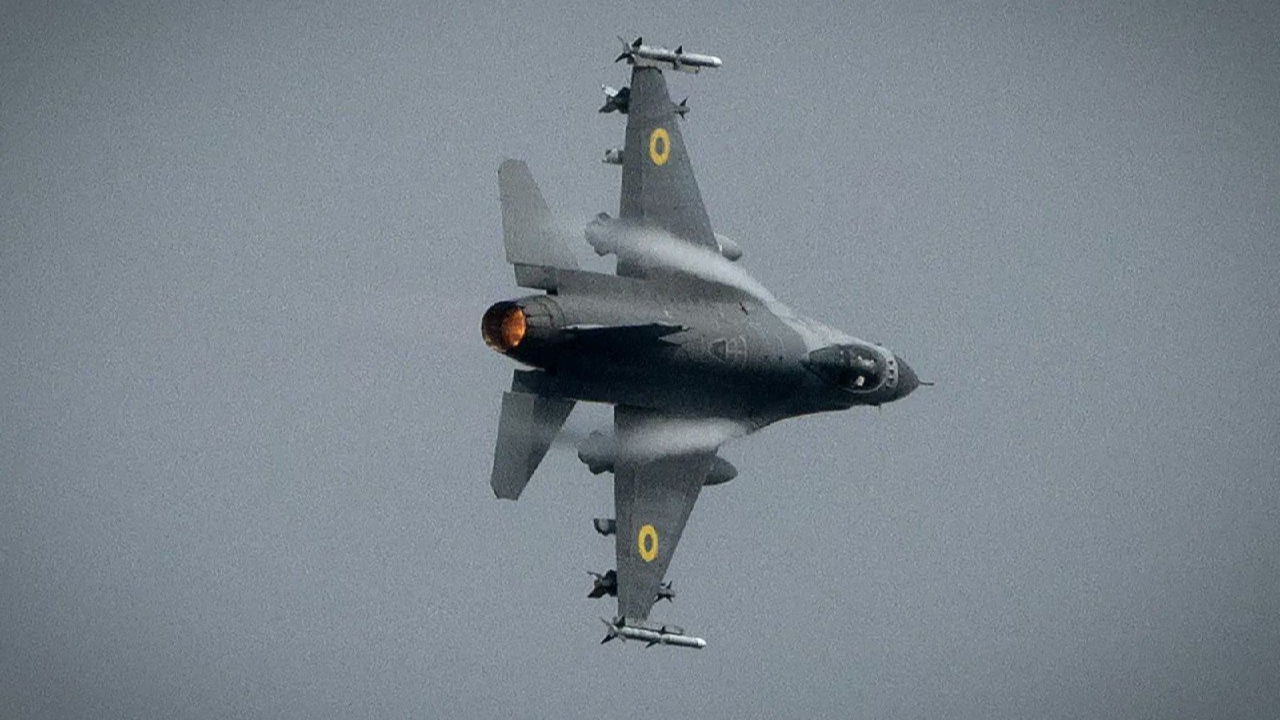
In the Ukraine conflict, Ukraine’s Air Force confirmed the loss of an F-16 fighter jet on July 29 after the aircraft suffered an in-flight emergency during a combat mission. [1] The pilot, tasked with intercepting Russian aerial targets, ejected safely and was evacuated for medical checks. [1] Investigators are examining the crash site, with no civilian casualties reported. [1]
F-16 Loss During Combat Mission
On 29 July, Ukraine's Air Force lost contact with an F-16 fighter jet while it was carrying out a combat mission on one section of the front. [5] The pilot ejected safely. [5] Early reports indicate that an emergency occurred on board the aircraft, forcing the pilot to eject. [5] The Air Force said the pilot was evacuated after ejecting and taken to a medical facility to be examined. [5] His life is not in danger. [5] Experts and law enforcement officers are working at the crash site. [5] According to the Air Force, there were no civilian casualties or damage on the ground. [5] The cause of the incident is being investigated. [5]
History of Ukrainian F-16 Attrition
This incident adds to a growing list of F-16 losses since the type entered Ukrainian service, including crashes in August 2024, April 2025 and May 2025, which claimed the lives of pilots Oleksii Mes and Pavlo Ivanov. [1] In August 2024, Ukraine's General Staff reported that an F-16 fighter jet had crashed while repelling a Russian missile attack, killing the pilot. [5] It was later reported that the pilot was Oleksii Mes. [5] On 12 April 2025, 26-year-old pilot Pavlo Ivanov was killed while flying an F-16 on a combat mission. [5] In May 2025, the Ukrainian Air Force lost another F-16 during the repulsion of a Russian air attack after the pilot encountered an onboard emergency. [5] He managed to steer the aircraft away from a populated area and eject safely. [5]
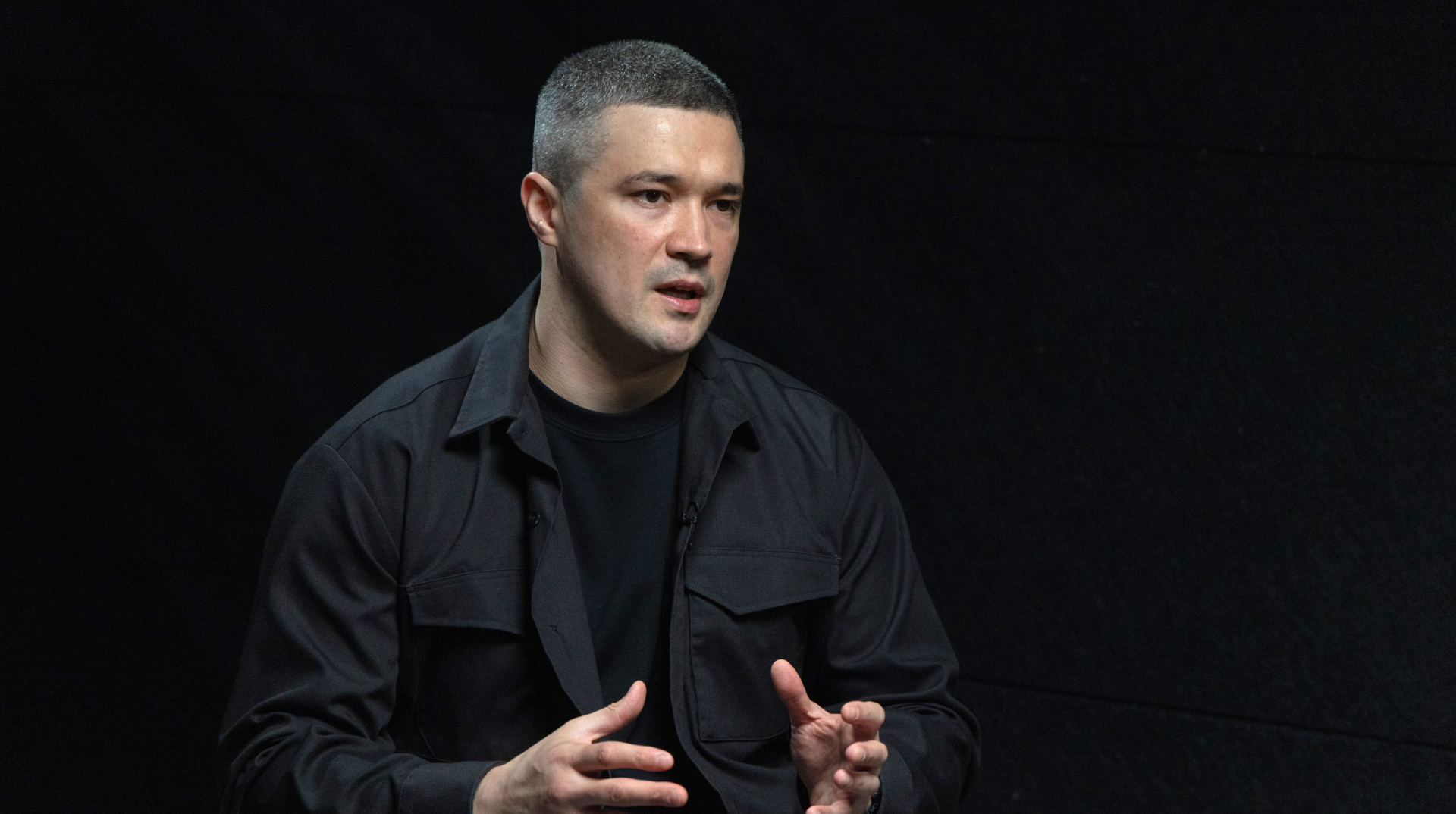
Ukraine's former defence minister Fedorov comments on delayed mobilisation overhaul. — Source: ukrainskapravda
Allied Deliveries and Operational Role
The F-16s, central to Ukraine’s air defence, have been deployed both to intercept Russian missiles and drones and to strike frontline positions. [1] Their arrival followed US approval in August 2023 for transfers from Denmark and the Netherlands, with Denmark pledging 19 aircraft and the Netherlands 42. [1] Norway also announced intentions to donate, while Belgium has promised an undisclosed number of aircraft to be transferred to Ukraine, even claiming its entire fleet of 53 would be made available, though none of these aircraft have been delivered. [1] The Netherlands supplied the first batch of 18 aircraft in December 2023, with 10 confirmed in combat by July 2024. [1] By May 2025, the Netherlands had completed delivery of 24 aircraft. [1]
Russian Strikes and Air Defence Challenges
The latest crash comes amid intensifying Russian missile strikes on Kyiv, which killed at least one civilian. [1] Poland scrambled fighters to secure its airspace. [1] Ukraine’s air defence remains effective against drones and cruise missiles, intercepting the vast majority of these weapons. [1] However, the air defence network is still unable to defend against Russia’s Iskander and Kinzhal ballistic missiles, where only Patriots have achieved confirmed kills. [1] Russia now produces an estimated 1,440 ballistic missiles annually, outpacing America’s 650 Patriot missile production, according to London based think tank Chatham House. [1] This imbalance has left Ukraine exposed to increasingly destructive barrages. [1] The shortage of PAC-3 missile interceptors, fired from the Patriot missile launcher, has worsened since the US and Israel expended 1,700 Patriot missiles in the opening weeks of the war, in a bid to defend against Iranian missile attacks, this number is equivalent to three years of production. [1]
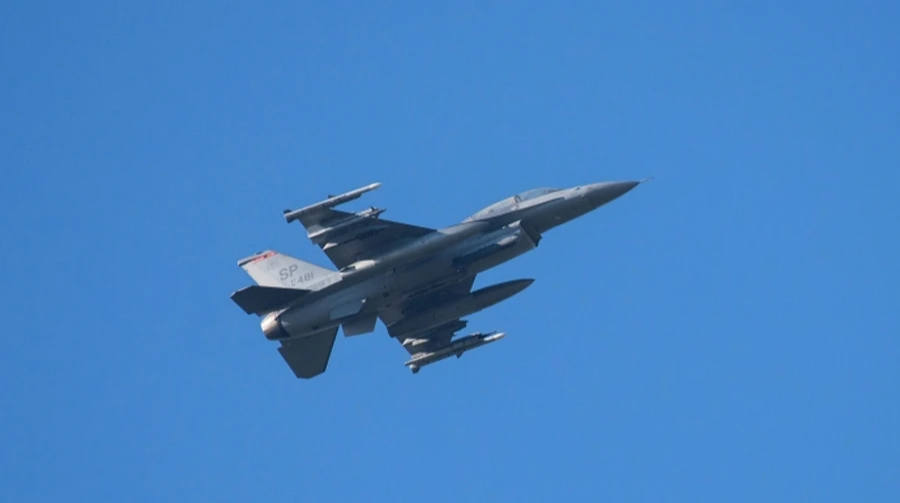
Ukrainian Air Force F-16 fighter jet crashed during a combat mission on 29 July. — Source: ukrainskapravda
Patriot Missile Support and Zelenskyy Diplomacy
Ukrainian President Volodymyr Zelenskyy, returning from Washington, announced that President Donald Trump had agreed to grant Ukraine licences to manufacture Patriot missiles. [1] Zelenskyy reiterated his appeal for allies to supply interceptors, stressing that Ukraine’s defence hinges on external support. [1] Allies have announced initiatives, including funding for Patriots, permitting local manufacture, supporting for Ukraine’s indigenous Freya project, and supplying Franco-Italian SAMP-T systems. [1] Yet these measures are slow to materialise and insufficient in scale. [1] Separately, the United States on Wednesday cleared funding for Patriot missiles worth $60 billion which will be made by Lockheed Martin. [1]
Mobilisation Reform Context
Ukraine's former defence minister Mykhailo Fedorov has said his proposed mobilisation reform had been due to be presented in July, launched in August, and would have delivered a marked improvement in army staffing by September. [4] Fedorov added that discussions on the changes are continuing at the Defence Ministry and expressed hope that the new leadership would carry on implementing them. [4] He explained that mobilisation should be seen as only one part of a wider system for staffing the armed forces. [4] In his view, the first priority is to change the conditions of service by introducing defined terms, contracts, decent pay and opportunities for professional development. [4] Fedorov said people often do not join the military service because they are afraid of being killed, so the government needs to make it clear that service is not limited to combat roles, while also providing service members with fair terms and conditions. [4] He suggested the recruitment of foreign nationals as one way to strengthen the army. [4] Fedorov said that in the longer term, foreign citizens could account for as many as 50% of frontline service members or assault troops. [4] He also pointed to plans to increase pay for assault troops and infantry to US$7,000 per month, enable service members to transfer within corps, and introduce contracts with fixed terms of service. [4] Fedorov acknowledged that his team had made mistakes in their communications about the reforms, saying the planned changes should have been presented to the public for discussion. [4] He also said that Mykhailo Drapatyi, the new commander-in-chief of Ukraine's Armed Forces, has an opportunity to continue to transform the armed forces and complete the changes Fedorov's team had begun to put in place. [4]
What to watch next: Allies have announced initiatives, including funding for Patriots, permitting local manufacture, supporting for Ukraine’s indigenous Freya project, and supplying Franco-Italian SAMP-T systems, though these measures are slow to materialise and insufficient in scale.