
Ukraine Conflict: Zelenskyy Briefed on Frontline and Russian Infrastructure Strikes
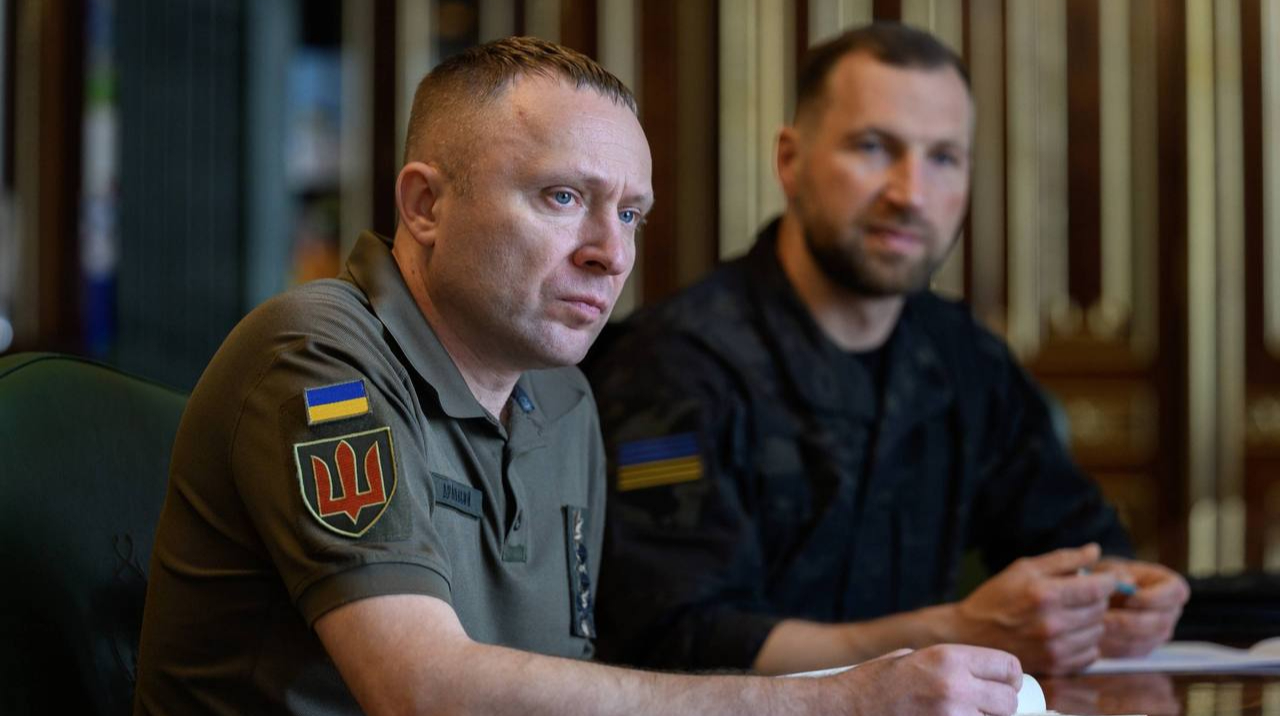
In the Ukraine conflict, President Volodymyr Zelenskyy received briefings from Ukraine's new commander-in-chief Mykhailo Drapatyi and acting defence minister Yevhenii Khmara on the frontline situation and responses to Russian attacks on critical infrastructure.
Zelenskyy Receives Military Briefings
President Volodymyr Zelenskyy has said that on 24 July he received briefings from new commander-in-chief Mykhailo Drapatyi, acting defence minister Yevhenii Khmara and Brigadier General Pavlo Palisa, Deputy Head of the President's Office, on the situation at the line of contact and the next steps to be taken. [1] Zelenskyy said the commander-in-chief of the Armed Forces of Ukraine briefed him on the overall situation on the frontline. [1] He stated that the meeting included a detailed look at the sectors and tasks that require the greatest attention and swift decisions. [1]
Meeting Discussions on Infrastructure Protection
The meeting also focused on determining Ukraine's response to Russian attacks on critical infrastructure, including Russia's continued strikes on Ukrainian cities and hromadas in border and frontline oblasts as well as Kyiv and Kyiv Oblast, Odesa Oblast and the Black Sea shipping corridor. [1] Zelenskyy stressed that there is a clear action plan at every level, involving the Armed Forces of Ukraine, the Ministry of Defence, other government agencies, intelligence services and special services. [1] Yevhenii Khmara is preparing decisions that will ensure the prompt implementation of the requests made by corps commanders following discussions with them over the past few weeks. [1] Pavlo Palisa and the Office team will continue helping coordinate this work, according to Zelenskyy. [1]
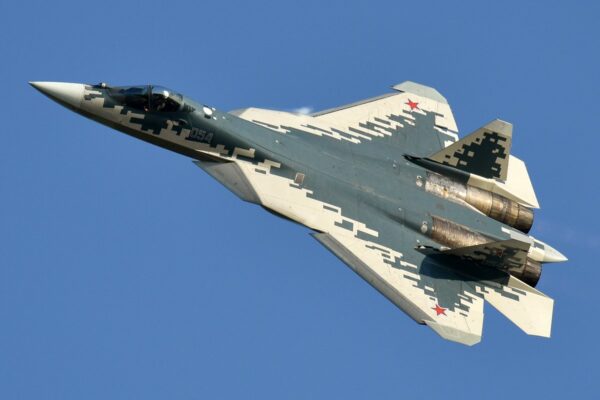
Russian Su-57 fighter jet prototype shown in flight. — Source: euobserver
Russian Mechanised Assault Repelled at Dobropillia
Russia launched one of its largest mechanised assaults of the past year near the village of Maiak on the Dobropillia axis north of Pokrovsk. [2] Ukrainian units from the Phoenix border unit of the Pomsta brigade, working alongside adjacent units, repelled the assault during which Russian forces deployed dozens of armoured vehicles. [5] The border guards said there had not been a breakthrough attempt of this scale in their area of responsibility for a long time. [5] Phoenix border unit drone pilots destroyed nine tanks, two armoured vehicles, three Grad multiple-launch rocket systems that were intended to provide cover for the advancing Russian vehicles, and several dozen Russian personnel. [5] The map shows that the assault was stopped while still in territory controlled by Russia, around five km before the start of the grey zone. [2] Ukraine’s general staff reported that Ukrainian forces destroyed or damaged 28 tanks in total that day. [2]
Su-57 Fighter Jet Crash Near Moscow
Russia’s most advanced Su-57 fighter jet has crashed near the town of Zvenigorod in Moscow region on a training flight. [2] Russia’s defence ministry confirmed an aircraft crash without specifying the type, but Russian media reported that it was a rare Su-57. [2] Russia’s defence ministry said that the preliminary cause of the crash was a technical malfunction and that the aircraft had been on a training flight without ammunition, crashed in an uninhabited area, and that the pilot had ejected and was not in a life-threatening condition. [2] Claims emerged from some Russian bloggers that the aircraft may have crashed as a result of actions by Bars Moscow, a Russian air-defence group. [2] The international independent volunteer group Inform Napalm claimed that the aircraft was downed by a Bars Moscow Russian air-defence unit but that Ukrainians had forced it to do so through a comprehensive cognitive influence and cyber intervention. [2] The Ukrainian military and intelligence services have not yet commented on the Su-57 crash. [2]
Water Supply Disruption at Zaporizhzhia Nuclear Plant
Continued military activity in Enerhodar and the surrounding area has disrupted the water supply to both the city and the Zaporizhzhia Nuclear Power Plant. [3] Water needed to cool the reactors and meet other critical requirements continues to be supplied from underground wells. [3] The agency's monitoring team, which is permanently stationed at the ZNPP, has also been affected and has had only limited access to the water supply since 18 July. [3] IAEA Director General Rafael Grossi said that reliable access to basic services and supplies is important for staff well-being and for the continuity of their essential work. [3] Last week, following a meeting with the Russian occupying authorities on emergency preparedness and response, IAEA staff were not allowed to visit the off-site emergency response centre due to security considerations. [3]
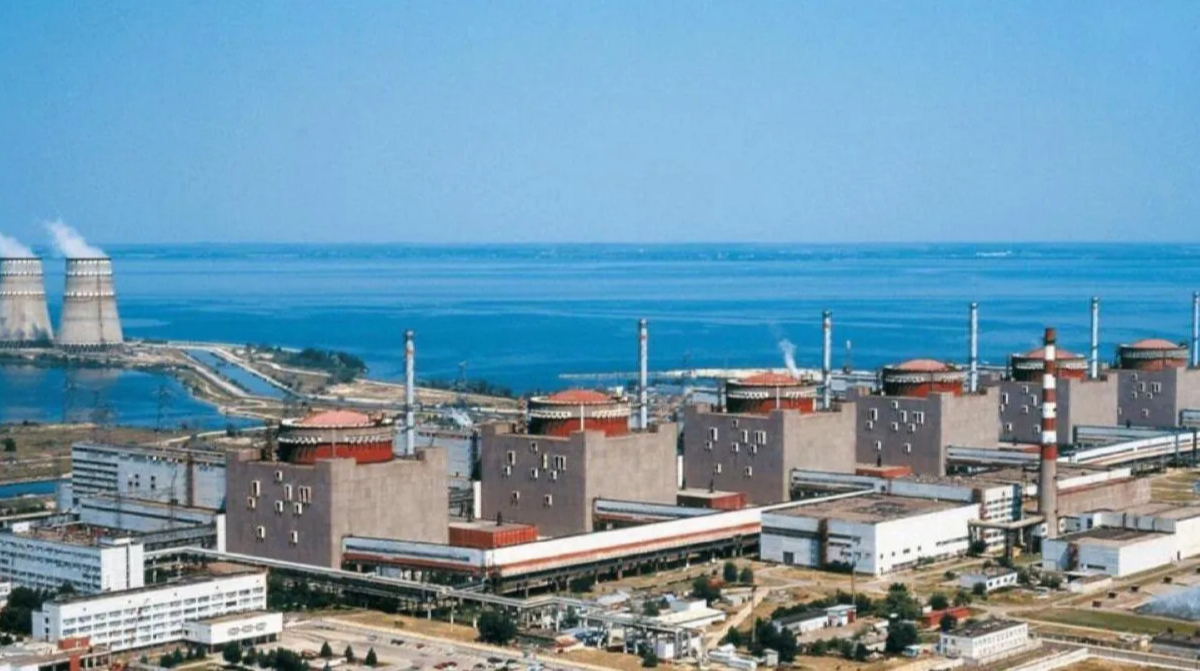
Zaporizhzhia Nuclear Power Plant partially loses access to water supply after attacks near Enerhodar. — Source: ukrainskapravda
Broader Frontline and Strategic Context in Ukraine Conflict
The Dobropillia direction is becoming one of the main axes where Russia wants to advance. [2] Such mechanised assaults have almost disappeared because it is now very difficult to bring heavy equipment to the front lines as drones can see virtually everything and can easily strike large vehicles. [2] A Ukrainian soldier using the name Officer wrote that he had not seen a similar assault in almost a year. [2] The Ukrainian Phoenix unit, which stopped the attack, said it had not seen anything similar for a very long time. [2] Russia attempted this assault again this week despite the challenges. [2] Ukraine’s general staff reported that Ukrainian forces destroyed or damaged 28 tanks in total that day across operations. [2]
Clear Action Plan Across Forces and Agencies
Zelenskyy stressed that there is a clear action plan at every level, involving the Armed Forces of Ukraine, the Ministry of Defence, other government agencies, intelligence services and special services. [1] Yevhenii Khmara is preparing decisions that will ensure the prompt implementation of the requests made by corps commanders following discussions with them over the past few weeks. [1] Pavlo Palisa and the Office team will continue helping coordinate this work. [1] The meeting on 24 July reviewed sectors requiring urgent attention and swift decisions. [1]
What to watch next: Further updates on the Dobropillia axis where Russia seeks to advance with mechanised forces, additional reports on the Su-57 crash investigation, and continued IAEA monitoring of water access at the Zaporizhzhia Nuclear Power Plant.