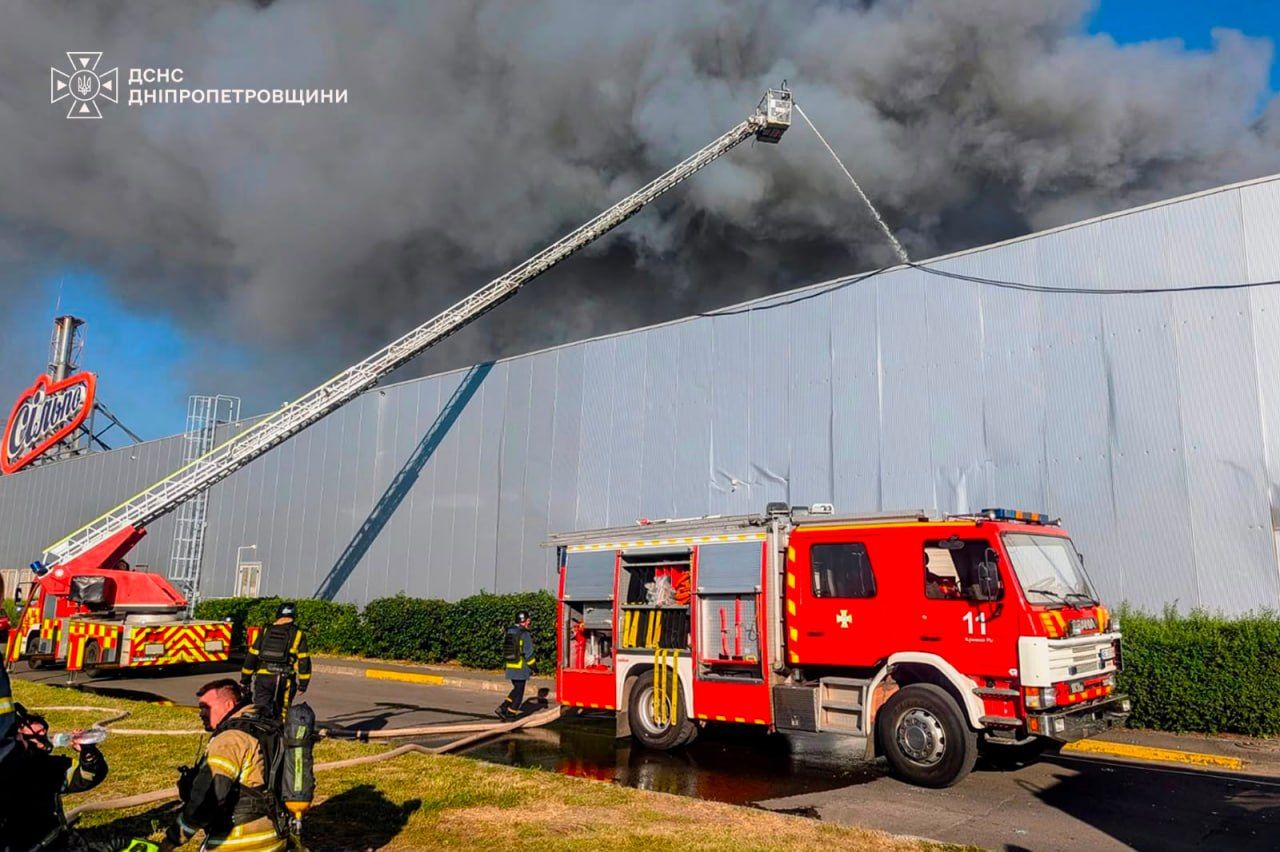
Ukraine Conflict Sees Russian Barrage Kill at Least 16 in Kyiv Region
Russia launched a massive wave of more than 200 drones and missiles at Ukraine, killing at least 16 people in the Kyiv region and striking civilian sites including a children’s hospital, school and World Health Organization warehouse, as Ukraine advances its homegrown Equalizer guided bomb to reduce reliance on foreign weapons amid ongoing battlefield clashes in the Ukraine conflict.
Russian Overnight Air Assault on Kyiv and Regions
The overnight Russian strikes on Kyiv and surrounding areas damaged homes, a school, a children’s hospital, warehouses, a gas station and civilian vehicles, with Ukrainian officials reporting at least 16 killed and about 40 wounded. [1] A separate missile strike on a police office in Zhytomyr killed several officers and injured more than 50 people. [4] The large-scale overnight attack on Kyiv City and the surrounding region caused scores of civilian casualties, with the authorities reporting at least 12 people killed and over 30 others injured. [4] More than a dozen residential buildings, warehouses, a gas station and civilian vehicles were damaged. [4] Humanitarian responders provided immediate aid including first aid, hot meals, construction materials and cash assistance after the Kyiv strikes. [4] Attacks elsewhere killed nearly a dozen civilians and injured scores in Kherson, Donetsk, Zaporizhzhia, Dnipro and Mykolaiv regions. [4]
Ukraine Advances Domestic Equalizer Guided Bomb
Ukraine is procuring the domestically developed Vyrivniuvach or Equalizer glide bomb, which adds wings and guidance to conventional bombs for precision strikes from MiG-29, Su-24 and Su-27 aircraft, with about 90 percent of parts sourced from Ukraine, Europe and the U.S. [1] The new weapon is called the Vyrivniuvach, or "Equalizer." [1] It was developed by Ukrainian company DG Industry with support from Brave1, a government-backed defense technology group. [1] A Ukrainian military official told Ukrinform that the bomb has finished testing and is now being bought for the armed forces. [1] The Equalizer turns a conventional bomb into a precision weapon by adding wings and guidance systems. [1] It is designed to be dropped from Ukraine’s MiG-29, Su-24 and Su-27 warplanes, allowing pilots to attack targets farther behind Russian lines while staying farther away from Russian air defenses. [1] Until now, Ukraine’s warplanes have relied heavily on U.S.-supplied JDAM-ER bomb kits and Small Diameter Bombs, as well as French-made Hammer bombs, for precision strikes from safer distances. [1] The Equalizer could give Kyiv more control over its own supply of guided bombs as foreign military aid remains uncertain. [1] The bomb’s wings and flight-control software were made in Ukraine, but its chips and microcircuits come from abroad. [1]
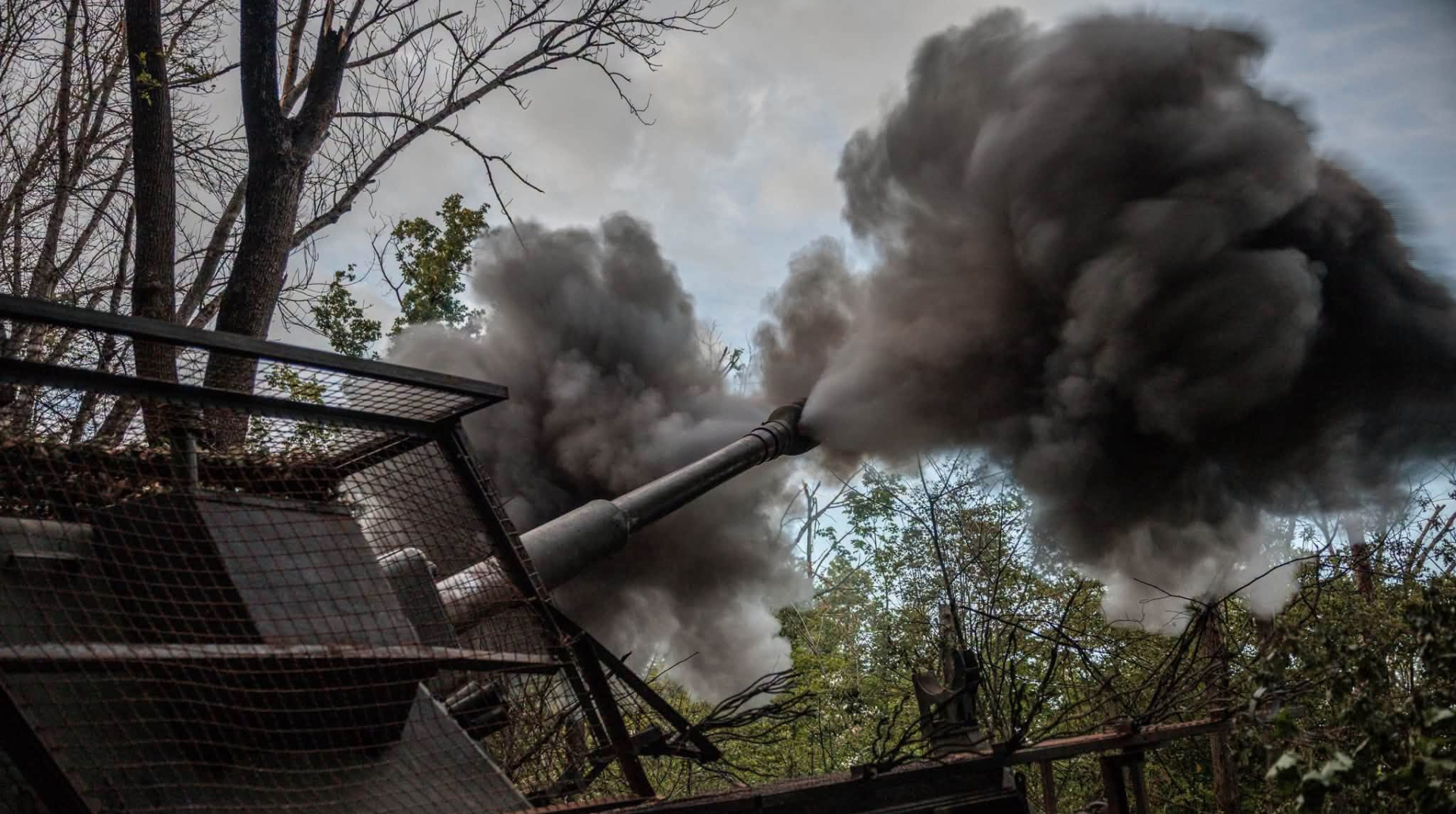
Russian strikes damaged civilian sites including a children’s hospital in the Kyiv region. — Source: ukrainskapravda
Intensified Russian Use of Glide Bombs
Russian forces dropped more than 8,300 guided aerial bombs in July, the highest monthly total of the war, while Ukraine’s General Staff reported 238 combat clashes in the past day, with the heaviest fighting on the Pokrovsk and Kostiantynivka fronts. [1] Russia’s use of glide bombs has become one of the most punishing parts of the war for Ukrainian troops and towns near the front. [1] Ukraine’s Defense Ministry said Russian forces dropped more than 8,300 guided aerial bombs in July — the highest monthly total of the war and an average of more than 267 bombs a day. [1] The weapons have helped Russia pound Ukrainian defensive positions and communities near the fighting. [1]
Battlefield Situation and Combat Clashes
Ukraine’s General Staff reported 238 combat clashes in the past day, with the heaviest fighting on the Pokrovsk and Kostiantynivka fronts. [3] A total of 238 combat clashes occurred on the battlefield over the past day, most of them on the Pokrovsk and Kostiantynivka fronts, where Ukraine's defence forces repelled almost 60 Russian assaults in total. [3] On the Pokrovsk front, 32 Russian attacks were recorded near the settlements of Dorozhnie, Novooleksandrivka, Udachne and Kotlyne and towards the settlements of Novyi Donbas, Biliakivka, Bilytske, Hannivka, Svitle, Shevchenko, Myrne, Vasylivka, Serhiivka and Novopavlivka. [3] On the Kostiantynivka front, 26 Russian attacks were recorded near the settlements of Kostiantynivka, Ivanopillia, Illinivka and Novoselivka and towards Stepanivka, Dovha Balka and Vilne. [3]
{IMAGE_3}
Agricultural Impact and Export Disruptions
Ukrainian farmers face piles of unsold grain after Russian attacks on the Black Sea port of Odesa reduced exports, following a favorable harvest season that was disrupted despite fields escaping drone strikes. [2] More than four years ago, Ravil Dzhamally fled his farm in Ukraine’s Kherson region after it was overrun by invading Russian troops. [2] When Moscow’s forces were driven back, he returned to clear his fields of mines and plant wheat, barley and sunflowers. [2] After investing his savings and borrowing from friends, the 38-year-old farmer barely broke even in 2025, his first season back. [2] Still, he was encouraged by the prospects for a good harvest this year: the weather was favorable and his 800 hectares escaped the drone strikes that burnt some of his neighbors’ crops. [2] But before Dzhamally could ship his produce, escalating Russian attacks on the key Black Sea port of Odesa cut exports to a trickle. [2] “When we started harvesting, the feeling was very positive,” Dzhamally said in a phone interview. “But now we’ve been brought back down to earth a bit.” [2]
Humanitarian Toll and Response
Humanitarian responders provided immediate aid including first aid, hot meals, construction materials and cash assistance after the Kyiv strikes, while attacks elsewhere killed nearly a dozen civilians and injured scores in Kherson, Donetsk, Zaporizhzhia, Dnipro and Mykolaiv regions. [4] The Under-Secretary-General for Humanitarian Affairs and Emergency Relief Coordinator, Tom Fletcher, who was in the Ukrainian capital Kyiv today, said he was struck by what he saw: the aftermath of another deadly night for civilians, with homes, a hospital and a school hit. [4] The continued toll on civilians, he said, should outrage us all. [4] The UN and its humanitarian partners provided an immediate emergency response following the attacks in Kyiv City and the surrounding region, complementing the efforts of emergency services and municipal workers. [4] They provided first aid and psychological first aid, hot meals and construction materials, protection and legal support, and humanitarian cash assistance. [4] Today in Kyiv, Under-Secretary-General Fletcher met with senior officials, including Andrii Sybiha, the Minister of Foreign Affairs, and shared his condolences on the deaths from the heavy overnight strikes. [4]
What to watch next: Ukrainian officials continue pressing the U.S. and European allies for more air-defense weapons while the Equalizer bomb undergoes further certification for potential use on donated F-16 and Mirage fighter jets.