
Ukraine Conflict Sees Russia Capture Under 40 Square Kilometers in July
Russian forces captured 36–38 square kilometers of Ukrainian territory in July while suffering 42,860 casualties, a 29 percent increase from the previous year, according to Estonian military intelligence. [2] The Ukraine conflict saw limited Russian progress overall despite intensified long-range strikes.
Russian Territorial Gains and Casualties in July
Estonian Defense Forces Intelligence Center data indicate that Russia captured 36–38 square kilometers of Ukrainian territory in July. [2] This total is approximately 15 times less than the 564 square kilometers captured in July of last year. [2] The Russian armed forces lost 42,860 fighters in July of this year. [2] That figure represents a 29 percent increase compared with the 33,220 fighters lost in July of last year. [2] Russia lost an average of 1,300 military personnel per day during the month. [2] The Estonian assessment notes that Russia has paid a very high price for every square kilometer conquered and has still not been able to conquer Donbas. [2]
Drone Campaign Against Vehicles and Civilians in Kherson
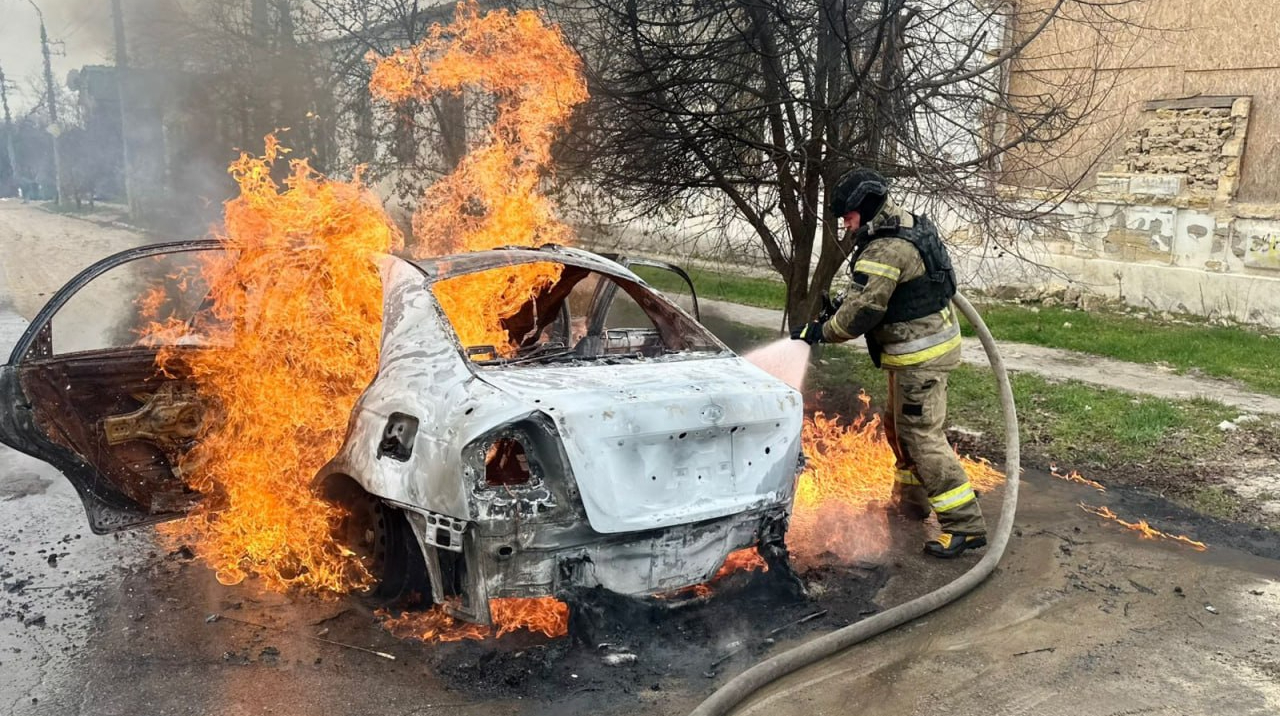
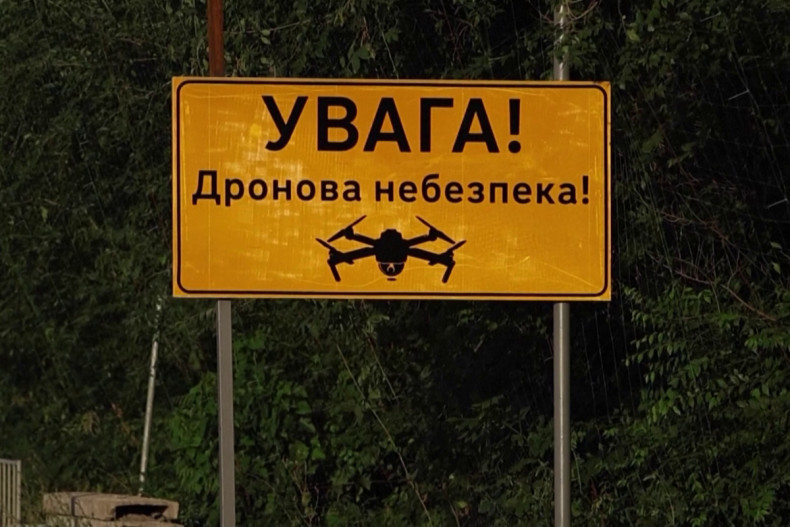
Russian forces have been ordered to conduct a “free hunt” for vehicles in Kherson Oblast using increased numbers of drone crews, including fibre-optic guided drones. [1] Particular attention is directed at vehicles that outwardly resemble defence forces transport. [1] An elevated risk of strikes exists near supermarkets, markets, and petrol stations. [1] The Kherson Oblast Military Administration has urged residents to exercise special vigilance in the coming weeks. [1] A viral video shows a Russian drone pursuing and attacking a civilian vegetable seller at a farmers market in Kherson. [1] Ukrainians have adopted the term “safari” to describe drones hunting down civilians or vehicles in the street. [4]

Estonian intelligence data shows Russia captured under 40 square kilometers of Ukrainian territory in July. — Source: errnews
North Korean Missile Support for Russia
A North Korean missile unit has begun deploying to western Russia. [3] The unit could be equipped with 120 ballistic missiles and six launchers for strikes against Ukraine. [3] The deployment was reported by an official at Ukraine’s military intelligence agency. [3]
Local Advances Near Kostiantynivka
DeepState, a Ukrainian group of military analysts, has reported an advance by Russian forces near the city of Kostiantynivka in Donetsk Oblast. [5] The same analysts also recorded Russian progress near the village of Nove Shakhove in Donetsk Oblast and near Zaliznychne in Zaporizhzhia Oblast. [5]
Russian forces advance slowly in Ukraine amid high casualties and intensified drone operations. — Source: bangkokpost
Potential Russian Mobilization
The Estonian Defense Forces Intelligence Center stated that Russia has taken legal and organizational steps in preparation for possible mobilization. [2] Russian authorities have published documents dealing with the preparation and conduct of mobilization and the organization of mobilization records. [2] Russian companies and institutions are recruiting mobilization specialists. [2] Media reports citing U.S. officials indicate that Russia is considering conducting a mobilization after the parliamentary elections on September 20. [2] If implemented, mobilization could shift the balance of forces on the front in Russia’s favor and increase pressure on Ukrainian units during the autumn period. [2]
July Drone and Missile Activity in the Ukraine Conflict
Moscow launched 4,951 drones and 381 missiles in long-range strikes in July this year. [2] In July last year, Russia launched 6,303 drones and 208 missiles. [2] The number of missiles launched increased by 83 percent compared with the previous year. [2] The Estonian assessment concludes that the progress of the Russian armed forces has been much slower than in July of last year. [2]
What to watch next: Estonian intelligence indicates that mobilization after the September 20 parliamentary elections could affect the security situation more broadly in areas near the borders of the Russian Federation and increase pressure on Ukrainian units when drone effectiveness declines due to weather conditions. [2]