
UAE Strikes Amid Current Wars in the World: Navigating Diplomatic Repercussions and Evolving Alliances in the Shadow of Iranian Aggression
By David Okafor, Breaking News Editor and Conflict/Crisis Analyst, The World Now
April 9, 2026
Introduction
In the latest escalation of shadow warfare in the Gulf amid current wars in the world, the United Arab Emirates (UAE) has reported fresh missile and drone attacks attributed to Iran, just days after a purported US-Iran ceasefire. On April 8, 2026, UAE air defenses intercepted incoming projectiles, but debris ignited a fire at a critical gas facility, injuring three workers and underscoring the fragility of de-escalation efforts. These strikes, coming amid a broader pattern of Iranian aggression, have ignited immediate diplomatic repercussions, with Abu Dhabi demanding Iran be held "fully liable" for damages and reparations.
This report differentiates itself by zeroing in on the diplomatic fallout and the realignment of regional alliances in the Gulf—a dimension underexplored in prior coverage that fixated on environmental fallout from fires, humanitarian tolls, technological intercepts, or economic disruptions. As UAE leaders publicly reassess partnerships beyond the traditional US-Iran binary, these incidents are accelerating a strategic pivot. Long-standing Middle East tensions, fueled by proxy conflicts, nuclear ambitions, and resource rivalries, provide the volatile backdrop, but the strikes are now forcing a reevaluation of alliances that could reshape Gulf security architecture for years.
Current Situation Amid Current Wars in the World
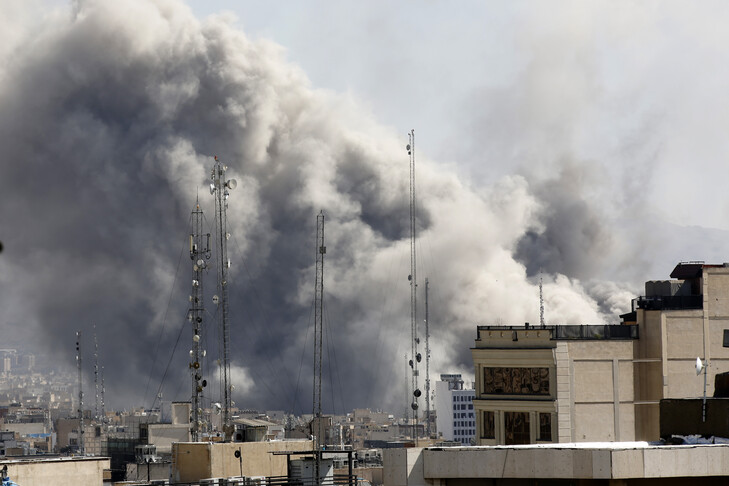
Reports from Anadolu Agency and Al Jazeera paint a tense picture on the ground. On April 8, UAE authorities confirmed missile and drone incursions from Iranian territory targeting key facilities in Abu Dhabi and Sharjah. Air defenses successfully intercepted most threats, but falling debris sparked a blaze at a major gas processing plant, hospitalizing three individuals with minor injuries—no fatalities reported, but operations were halted for hours. Fires were extinguished swiftly, yet the incident echoes similar events, highlighting vulnerabilities in even advanced defense systems like the US-supplied THAAD and Israeli Iron Dome integrations.
Kuwait and Bahrain simultaneously reported analogous attacks, with Bahrain's defense ministry noting drone interceptions near Manama. These strikes occurred despite a US-brokered ceasefire announced on April 1, 2026, between Iran and the United States—described by analysts as "fragile" in Channel News Asia dispatches and further detailed in related coverage like Ceasefire in Tatters Amid Current Wars in the World: The Overlooked Humanitarian Crisis in Iran's Latest Strikes. Iranian state media has denied direct involvement, attributing launches to "non-state actors," but UAE officials, backed by radar telemetry, insist on Tehran's culpability.
Diplomatic strains are palpable. UAE Foreign Minister Sheikh Abdullah bin Zayed issued a stern statement via X (formerly Twitter), calling for international accountability and reparations, amassing over 150,000 engagements in 24 hours. Relations with Iran, already frosty since the UAE-Israel Abraham Accords in 2020, are deteriorating further, while ties with fellow Gulf states like Saudi Arabia and Qatar show cracks. Qatar, maintaining warmer channels with Tehran, has urged restraint, prompting UAE frustration over perceived GCC disunity. The ceasefire's fragility—limited explicitly to US-Iran direct confrontations, per Israeli statements in Times of India—is straining regional diplomacy, as Gulf monarchies grapple with spillover risks. Continued attacks risk unraveling the truce, pushing UAE toward unilateral defensive postures and quiet outreach to non-Western powers.
Historical Context and Escalation
To grasp the diplomatic undercurrents, a chronological lens reveals a deliberate pattern of escalation. The timeline traces back to late February 2026, when tensions ignited over potential Iranian strikes on US bases.
-
February 28, 2026: Amid heightened US-Iran frictions post-Trump's inauguration rhetoric, reports emerged of potential Iranian attacks on US bases in Abu Dhabi and Bahrain. Iran launched missile strikes on US positions across the Middle East, prompting UAE alerts. Dubai skies lit up with a missile interception, averting disaster but signaling intent.
-
March 8, 2026: Escalation peaked with an Iranian barrage directly on UAE soil. Debris from interceptions killed civilians in Dubai, marking the first fatalities and galvanizing UAE resolve. These events, interlinked, exposed defensive gaps and Iran's willingness to test Gulf red lines.
The buildup accelerated in late March:
-
March 16, 2026: Drone attack near Dubai International Airport, intercepted but disrupting flights. This mirrors tactics seen in Asymmetric Drone Warfare Amid Current Wars in the World: Ukraine's Technological Edge in the Ongoing Strikes.
-
March 21 and March 24, 2026: UAE forces downed multiple Iranian missiles, with debris scattering over populated areas.
-
March 29, 2026: Iran struck UAE and Bahrain facilities outright, damaging infrastructure.
-
March 30, 2026: Iranian drone hit Sharjah, escalating urban risks.
-
April 1, 2026: UAE and Qatar reported drone and tanker strikes amid the ceasefire announcement.
-
April 8, 2026: Latest incidents—air defense debris fire in UAE gas facility and strikes on Abu Dhabi—cap a month of near-daily provocations.
This chronology connects past interceptions (e.g., February 28 Dubai event) to current strikes, illustrating how debris incidents have honed UAE strategies: bolstering layered defenses while pursuing diplomatic insulation. Recurring aggressions reflect long-standing tensions—rooted in Iran's post-1979 Revolution export of Shia militancy, UAE's Sunni alignment, and competition over Gulf islands like Abu Musa. These catalysts are now informing UAE's alliance reevaluations, transforming episodic strikes into a strategic inflection point.
Original Analysis: Diplomatic Repercussions and Alliance Shifts
The strikes are not merely tactical; they are forcing a profound diplomatic recalibration in the Gulf, with UAE leading the charge toward diversified partnerships. Traditionally reliant on US security guarantees—evident in joint exercises and arms sales topping $20 billion annually—Abu Dhabi is chafing at Washington's perceived hesitancy post-ceasefire. President Trump's ultimatum to Iran, while rhetorically robust, has yielded a truce excluding Gulf proxies, exposing UAE to asymmetric threats.
Enter the unique angle: UAE's pivot beyond US-Iran dynamics. High-level sources indicate Abu Dhabi is warming to emerging powers. Trade with China, already at $90 billion in 2025, now includes security dialogues; Beijing's Belt and Road investments in UAE ports could extend to dual-use tech for missile defense. Russia, post-Ukraine sanctions, offers S-400 systems as alternatives to Patriot batteries, with discreet talks reported during March's Moscow summit. This diversification hedges against US unreliability, echoing Saudi Arabia's own BRICS flirtations.
Overlooked in mainstream coverage are GCC internal divisions. Qatar's Al Jazeera amplifies Iranian narratives, while Bahrain—hosting the US Fifth Fleet—aligns fully with UAE. Kuwait's neutrality frustrates collective action, exacerbating rifts. Strikes have prompted UAE-Saudi bilateral defense pacts, bypassing full GCC consensus, and quiet overtures to Oman for mediation.
New diplomatic initiatives loom: bilateral talks with Turkey (a NATO wildcard) and India for intelligence sharing, plus neutral forums like the Astana process involving Russia-China-Iran. These moves mitigate risks, positioning UAE as a pragmatic balancer amid aggression. For broader context on regional tensions, see the Global Risk Index.
Catalyst AI Market Prediction
The ongoing strikes ripple into global markets, with The World Now's Catalyst AI engine forecasting sharp movements:
-
OIL: Predicted + (high confidence) — Causal mechanism: Ukrainian strike on Russian oil terminal and Trump ultimatum threatening Iranian infrastructure directly curb global oil supply via disrupted terminal capacity and Hormuz chokepoint risks. Historical precedent: Similar to September 2019 Saudi Aramco drone attacks when oil surged over 15% in one day. Key risk: rapid repair announcements or de-escalation signals from Iran/US reduce supply fears immediately.
-
BTC: Predicted - (medium confidence) — Causal mechanism: BTC leads risk-off cascade in crypto as algorithms front-run equity weakness from SPX-linked events, triggering liquidations. Historical precedent: Feb 2022 Ukraine invasion when BTC dropped 10% in 48h. Key risk: safe-haven narrative shift if gold/USD rally spills into BTC.
-
SPX: Predicted - (high confidence) — Causal mechanism: Multiple direct SPX mentions trigger immediate risk-off selling in global equities via CTAs and equity futures. Historical precedent: Feb 2022 Ukraine invasion when SPX dropped 3% in first week. Key risk: policy response like Fed rhetoric calming markets.
-
OIL: Predicted + (high confidence) — Causal mechanism: Direct supply threats from Saudi intercepts, Hormuz, Russia drone tighten physical balances. Historical precedent: 2019 Aramco drones spiked oil +15% in days. Key risk: no follow-through attacks.
Predictions powered by The World Now Catalyst Engine. Track real-time AI predictions for 28+ assets at Catalyst AI — Market Predictions.
Predictive Outlook: Future Scenarios
If diplomatic efforts falter, escalation beckons. A failed ceasefire could draw in Saudi Arabia—via shared Aramco vulnerabilities—or Israel, whose limited truce interpretation (per Times of India) greenlights preemptive strikes. Iranian isolation intensifies if UAE alliances shift eastward; China-Russia patronage might embolden Tehran short-term but alienate Europe, spurring multilateral GCC negotiations under UN auspices.
De-escalation paths exist: Strengthened UAE-Saudi pacts could deter via unified intercepts, while international mediation—US-Qatar-Russia troika—offers breathing room. Long-term, UAE's neutral foreign policy accelerates, prioritizing economic fortification: Dubai Expo 2030 planning now integrates "resilience hubs" against aerial threats.
Risks include economic sanctions on Iran, disrupting global trade—Hormuz closure could spike oil to $150/barrel, per Catalyst AI. Historical patterns (2019 Abqaiq) suggest rapid volatility, but UAE's $500 billion sovereign funds provide buffers.
Conclusion
UAE strikes have crystallized key diplomatic shifts: from US-centric reliance to a multipolar web embracing China, Russia, and GCC reformers. This realignment, underexplored amid tactical headlines, signals a Gulf awakening to Iranian aggression's strategic costs.
Proactive international engagement—UN Security Council resolutions, neutral mediators—is imperative to avert wider war. As alliances evolve, regional stability hinges on UAE's deft navigation: a forward-looking pivot not to confrontation, but calculated autonomy, safeguarding prosperity amid peril.