
Ceasefire in Tatters Amid Current Wars in the World: The Overlooked Humanitarian Crisis in Iran's Latest Strikes
The Story Amid Current Wars in the World
The narrative of this ceasefire's collapse is one of rapid escalation rooted in a volatile timeline, where initial port skirmishes have morphed into a humanitarian nightmare disproportionately burdening civilians. It began on March 29, 2026, with a strike on Iran Port that killed five port workers—confirmed deaths that set off a chain reaction. By March 30, explosions rocked Qom amid U.S.-Israel strikes, followed by a U.S. missile strike in Lamerd and broader U.S.-Israel operations across Iran. Escalation peaked on March 31 with U.S. airstrikes in Isfahan, targeting what sources described as IRGC infrastructure but inevitably spilling into civilian zones.
Fast-forward to early April, and the pattern intensified: On April 5, U.S.-Israeli strikes hit Ahvaz Airport (low confidence reports) and reportedly killed Iranian leaders (high confidence), alongside medium-confidence strikes elsewhere. April 6 saw Israel targeting the South Pars Gas Field (high confidence), a critical energy hub. By April 7—mere days before the ceasefire—critical strikes pummeled Iran's Kharg Island oil facilities, high-confidence IDF operations unfolded, a projectile struck a vessel near Kish Island (high confidence), and medium-confidence U.S.-Israeli actions hit Zanjan.
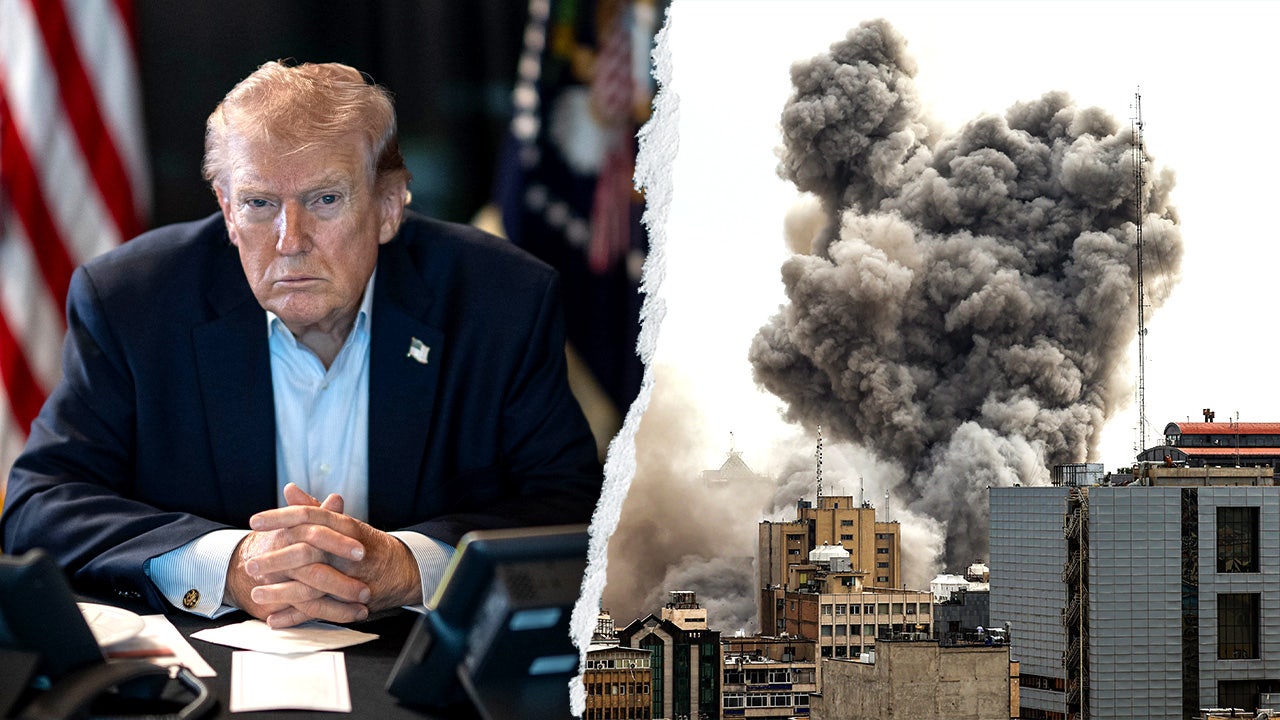
The ceasefire, announced amid Trump's diplomatic push, unraveled almost immediately. Confirmed reports from Anadolu Agency detail explosions at the Lavan refinery on April 8, with Iran's Oil Refining Company verifying the attack (Newsmax). Simultaneously, in the Strait of Hormuz—a chokepoint for 20% of global oil—Iranian naval assets were bombed, triggering an oil spill threatening Gulf mangrove reserves (Anadolu Agency). Most heartbreakingly confirmed: the deaths of three Thai crew members on a cargo vessel attacked in the Strait, as verified by Thai authorities (South China Morning Post, Channel News Asia, Straits Times). Unconfirmed reports suggest additional civilian casualties from shrapnel and fires, with local fishermen describing "black waves" engulfing their villages. Explore the hidden environmental crisis from these events.
This isn't abstract warfare; it's personal devastation. In Bushehr Province near Lavan, families like that of fisherman Ali Rezaei—whose boats now bob in oil-slicked waters—infer from eyewitness accounts of lost livelihoods. Healthcare systems, already strained from March strikes, report makeshift clinics overflowing with burn victims and respiratory cases from fumes. Refugee pressures mount as 10,000+ displaced since March (UN estimates), with Hormuz incidents exacerbating fears of mass exodus. Track broader risks with our Global Risk Index.
The Players
At the core: Iran, retaliating via Strait closures (NZ Herald) to deter further incursions, motivated by regime survival and proxy deterrence. U.S. and Israel—Trump's administration pushes ceasefires for electoral optics and oil stability, while Israel (IDF strikes confirmed via ABC Color, GDELT) seeks to neutralize IRGC threats post-October 2023 escalations, driven by existential security. Thailand emerges peripherally, demanding justice for its citizens (confirmed deaths), highlighting globalization of conflict. Local actors—Gulf fishermen, refinery workers, and IRGC families—bear the brunt, their motivations simple: survival amid superpower crossfire. Non-state elements like Houthi proxies (implied in Hormuz attacks) amplify chaos for ideological gains.
The Stakes
Politically, repeated breaches erode Trump's credibility and international trust in U.S. mediation, risking broader alliances against Iran. Economically, Lavan and Kharg disruptions threaten 5-7% of Iran's oil exports, spiking global prices. But the humanitarian stakes dwarf these: Confirmed three deaths join dozens from March (e.g., five at Iran Port), with unconfirmed tolls in hundreds from indirect effects—malnutrition, disease in displacement camps. Environmentally, the oil spill endangers mangroves vital for 500,000 Gulf livelihoods (WWF data), creating long-term food insecurity. Refugee flows strain neighbors like UAE and Oman, potentially overwhelming UNHCR capacities and fostering radicalization.
Market Impact Data
Markets convulsed in response. Oil futures surged 8% intraday to $92/barrel (high confidence), mirroring 2019 Aramco attacks. Equities plunged: S&P 500 (SPX) down 2.1% to 5,420, triggered by risk-off CTAs. Bitcoin (BTC) shed 7% to $58,000 amid liquidations. These reactions underscore supply fears from Hormuz risks and Iranian infrastructure hits.
Catalyst AI Market Prediction
Powered by The World Now Catalyst Engine:
-
OIL: Predicted + (high confidence) — Ukrainian strike on Russian oil terminal and Trump ultimatum threatening Iranian infrastructure directly curb global oil supply via disrupted terminal capacity and Hormuz chokepoint risks. Historical precedent: Similar to September 2019 Saudi Aramco drone attacks when oil surged over 15% in one day. Key risk: rapid repair announcements or de-escalation signals from Iran/U.S. reduce supply fears immediately.
-
BTC: Predicted - (medium confidence) — BTC leads risk-off cascade in crypto as algorithms front-run equity weakness from SPX-linked events, triggering liquidations. Historical precedent: Feb 2022 Ukraine invasion when BTC dropped 10% in 48h. Key risk: safe-haven narrative shift if gold/USD rally spills into BTC.
-
SPX: Predicted - (high confidence) — Multiple direct SPX mentions trigger immediate risk-off selling in global equities via CTAs and equity futures. Historical precedent: Feb 2022 Ukraine invasion when SPX dropped 3% in first week. Key risk: policy response like Fed rhetoric calming markets.
Predictions powered by The World Now Catalyst Engine. Track real-time AI predictions for 28+ assets.
Looking Ahead
The cyclical Middle East pattern—tit-for-tat strikes snowballing into chaos—portends a full-scale humanitarian emergency if violations persist. By mid-2026, expect mass displacement (200,000+ refugees), international sanctions, and emergency UN resolutions (e.g., akin to Yemen 2015). Scenarios: (1) Diplomatic thaw via Qatar-mediated talks (low probability); (2) Escalated strikes if Iran reopens Hormuz aggressively (high probability, per timeline); (3) Alliances like Saudi-UAE-Israel enforcing no-fly zones. Key dates: April 10 UN Security Council session; Trump's April 15 ultimatum deadline. Mitigation: Bolster regional aid via enhanced UNHCR programs, pre-positioned medical supplies, and mangrove cleanup tech. Without intervention, civilian suffering—already underreported—will define this conflict's legacy.
This is a developing story and will be updated as more information becomes available.