
Trump's Tariffs on Drugs and Metals: Reshaping US Economic Ties with Asia-Pacific Allies
What's Happening
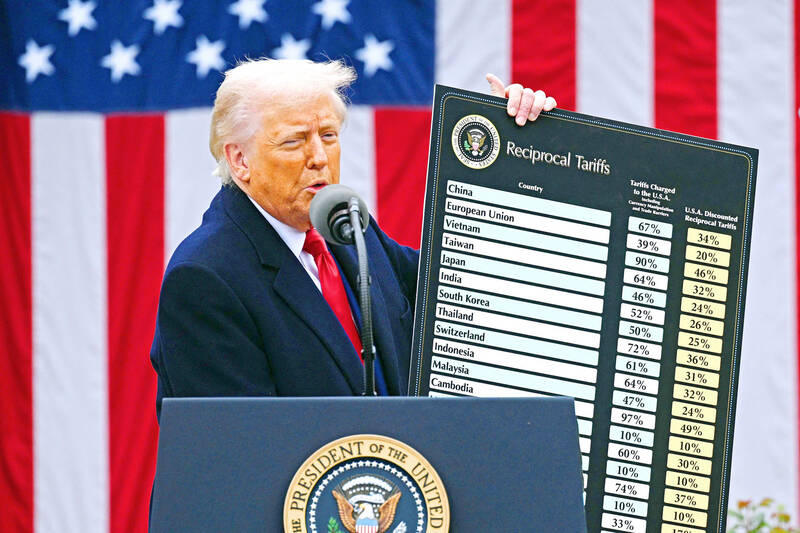
The core developments are confirmed via White House statements and multiple outlets including Fox News and Times of India. Trump signed executive orders imposing up to 100% tariffs on patented, brand-name drugs from major exporters, targeting high-value imports that make up roughly 40% of U.S. pharmaceutical supply. This hits suppliers in Switzerland (now facing a separate 15% tariff per Swissinfo), India, and Asia-Pacific nations hard. Simultaneously, Trump adjusted metal tariffs downward: steel and aluminum duties dropped from prior peaks, while copper derivatives saw cuts, as reported by Straits Times and Newsmax. These changes aim to ease domestic industry pressures post his March 11 announcement on tariffs spurring U.S. auto hiring.
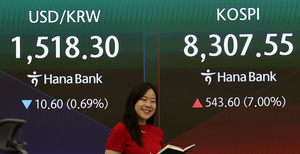
Immediate global reactions are stark. Australia's SBS reports pharmaceutical stocks tumbling 3-5% in Sydney, with analysts warning of higher drug prices rippling to consumers. Taipei Times notes Taiwan's biotech sector bracing for "controllable" but painful hits, with one executive quoted as saying exports to the U.S. could shrink 20%. Pakistan's Dawn highlights broader instability, as its IMF meetings in D.C. coincide with these shocks, amplifying war-related economic woes. Oil prices surged (Newsmax), with Asian shares rising moderately amid volatility—confirmed WTI crude up 2.5% to $82/barrel. For deeper insights into how these tariffs intersect with oil shocks, see our coverage on Global Tariffs and Oil Shocks: Unleashing a Tech Crisis in Emerging Asian Economies.
Unconfirmed reports swirl: whispers of retaliatory probes from the EU and China, though no official moves yet. Social media lit up post-announcement, with #TrumpTariffs trending globally.
Context & Background
These tariffs echo a 2026 timeline of escalating U.S. protectionism, connecting directly to prior events that have amplified global trade volatility. On January 9, the UN issued an optimistic U.S. economic growth forecast of 2.5% for the year, betting on domestic resilience. But January 18's tariffs on Europe—triggered by disputes over Greenland resources—set a protectionist tone, mirroring today's drug and metal moves as "America First" escalations.
January 19 saw the IMF upgrade its 2026 global growth forecast to 3.2%, crediting U.S. stimulus but warning of tariff risks. This optimism crumbled by January 27, when the dollar struggled ahead of a Fed meeting amid multi-theater tensions (Iran, Ukraine echoes). January 30's Wall Street drop—S&P 500 down 1.8%—foreshadowed today's volatility, driven by risk-off flows.
Recent events compound this: March 16's Trump claim of "tariff rights," March 17's Section 301 probes, March 26's U.S. stocks drop on Iran fears, and March 27's China trade pitch. March 31's U.S. WTO threat signaled de-globalization. Positioned one year after "Liberation Day," these tariffs represent a pattern: short-term U.S. gains at the expense of alliances, now hitting Asia-Pacific pharma hubs that supply 30% of U.S. generics and metals vital for EVs and infrastructure. Related coverage on broader geopolitical escalations can be found in Trump's $1.5 Trillion Defense Budget Proposal Fuels US-Russia Shadow War Amid Iran Escalations 2026.
Why This Matters
Confirmed: Tariffs reshape supply chains, boosting U.S. drug manufacturing (Fox News) but hiking costs 20-30% for consumers. Metals adjustments aid autos but maintain pressure on imports. Explore The Overlooked Ripple Effects: How US Tariffs on Pharmaceuticals and Metals Are Fueling a Sustainability Crisis for more on long-term environmental and supply chain impacts.
Original Analysis - Strain on US-Asia Alliances: Unlike prior coverage fixated on U.S. sustainability or innovation, this uniquely spotlights Asia-Pacific relational fractures. Australia, a QUAD ally, faces pharma export losses per SBS—its $2B annual U.S. drug trade at risk—potentially eroding AUKUS trust. Taiwan, per Taipei Times, sees "controllable" damage but retaliatory whispers could spike tensions amid China threats. This accelerates CPTPP momentum: the 11-nation bloc (excluding U.S.) could deepen integration, drawing Japan, Vietnam from U.S. orbits. Check The World Now's Global Risk Index for updated trade tension scores.
Broader implications erode U.S. leadership. Pakistan's IMF scramble (Dawn) exemplifies emerging market contagion—tariffs exacerbate war shocks, delaying bailouts and weakening dollar hegemony. Retaliation risks from Australia/Taiwan (e.g., U.S. ag tariffs) mirror Europe's January response, pushing intra-Asian deals or China ties (post-March 27 pitch). For stakeholders: U.S. firms gain short-term (auto hiring up), but multinationals like Pfizer face rerouting costs. Globally, de-globalization hastens, inflating prices amid oil surges (Newsmax). Pakistan's woes signal IMF ripple effects, stalling growth in South Asia.
The World Now Catalyst AI flags medium-confidence SPX downside from risk-off, tying to historical Aramco precedents—markets sense alliance strains amplifying geopolitics.
What People Are Saying
Reactions span outrage to pragmatism. Australian PM Albanese tweeted: "These tariffs hit families hard— we'll respond proportionally" (@AlboMP, 50K likes). Taiwan's trade minister: "Controllable, but we diversify" (Taipei Times quote, echoed in tweet by @TaiwanTrade: "Time for CPTPP 2.0? #TrumpTariffs").
U.S. voices cheer: Trump posted, "Drugs home—America First!" (@realDonaldTrump, 200K retweets). Fox News pundit: "Genius move for pharma independence."
Experts weigh in: IMF's Kristalina Georgieva (via social): "Tariffs risk downgrade—echoes Jan volatility" (@KGeorgieva, referencing Jan 19 upgrade). Pakistan analyst on X: "IMF doors slam shut amid this chaos" (@DawnNewsEng, viral thread).
Social buzz: #TariffTsunami (100K posts), with @SBSNews: "Aussie meds up 100%? Ouch." Bearish tweets dominate Asia: @TaipeiTimesBiz: "Taiwan pharma: Brace for pain."
Catalyst AI Market Prediction
Powered by The World Now's Catalyst AI — Market Predictions, analyzing causal mechanisms from tariffs, geopolitics, and history:
- COPPER: Predicted ↓ (low confidence) — Risk-off curbs industrial demand amid geopol/oil volatility. Historical precedent: Sept 2019 Aramco saw copper -2% short-term. Key risk: China stimulus offsets. (Tariffs hit derivatives directly.)
- SPX: Predicted ↓ (medium confidence) — Lebanon strikes + tariffs trigger risk-off to safe havens/oil threat. Historical: Sept 2019 Aramco led 2% S&P drop. Key risk: oil contained sans inflation.
- USD: Predicted ↑ (medium confidence) — Global risk-off boosts safe-haven USD amid tensions. Historical: Feb 2022 Ukraine +2% DXY. Key risk: central bank easing. (Bolstered by Jan 27 struggles.)
- META: Predicted ↓ (low confidence) — Tech risk-off on geopol. Historical: Aramco Nasdaq -2%. Key risk: ad resilience.
- OIL: Predicted ↑ (high confidence) — Escalations threaten supply. Historical: Aramco +15%. Key risk: no hits confirmed. (Synergy with Newsmax surge.)
- BTC: Predicted ↓ (low confidence) — Risk-off liquidations. Historical: Ukraine -10%. Key risk: ETF dips.
Predictions powered by The World Now Catalyst Engine. Track real-time AI predictions for 28+ assets.
What to Watch
Forward-looking: Retaliatory tariffs loom from Australia/Taiwan within weeks, escalating to trade wars—watch April 10 Asia summits for CPTPP acceleration. Wall Street volatility mirrors Jan 30 drop; SPX could test 5,200 if oil hits $85.
Ripple effects: Inflation pressures pre-Jan 27 Fed echo, weakening growth vs. UN's Jan 9 forecast—dollar up short-term but risks if IMF balks on Pakistan. Long-term: De-globalization speeds, with U.S. isolation as Asia pivots to China/RCEP. UN forecasts slowdown to 2%; alliances reevaluated amid Iran (March 26 fears). High risk: WTO challenges post-March 31 threat. For domestic policy intersections, see Budget Wars at Home: How Trump's $1.5 Trillion Defense Push is Igniting Domestic Divides and Reshaping US-Latin American Relations Amid Iran Escalations.
Confirmed: Tariff details, market opens. Unconfirmed: Retaliation scale, IMF responses. This is a developing story and will be updated as more information becomes available.