
Global Economy: Spirit Airlines Shuts Down Due to Rising Fuel Costs
Global energy disruptions stemming from the Iran war are rippling through the economy global landscape, affecting airlines, currencies, and fuel supplies across multiple continents. In a stark illustration of these pressures, Spirit Airlines has ceased operations after 34 years, directly linking its shutdown to escalating fuel costs amid the broader energy crisis.[2] Concurrently, currencies in India and Indonesia are depreciating sharply, while counterintuitively, U.S. natural gas prices in Texas have dipped below zero due to domestic overproduction even as worldwide markets reel.[3][4][5] Governments, particularly in India, are stepping in to guarantee steady supplies of essential fuels like LPG, PNG, and CNG to households, aiming to curb panic buying.[1]
Overview of Global Energy Disruptions
The Iran war has emerged as a central catalyst in the current wave of global energy disruptions, sending shockwaves through financial and commodity markets worldwide. Events tied to the conflict, including escalated military actions such as bombings over recent months, have imperiled energy supplies and heightened volatility in oil and gas pricing.[3] This turmoil is not isolated; it intersects with domestic production dynamics, creating paradoxical situations where regional abundances clash with international shortages. For instance, while global energy shocks from the Iran war rattle markets, the United States faces a natural gas glut at key hubs like West Texas, where prices have fallen below zero, compelling producers to pay buyers to accept the fuel.[4][5]
These disruptions underscore the interconnected nature of modern energy markets. The West Asia crisis, encompassing the Iran war, has directly influenced global energy availability, prompting concerns over sustained supply chains for critical fuels.[1] In Asia, the financial fallout is evident as currencies weaken under the strain of imported energy cost spikes and broader economic uncertainty fueled by the conflict.[3] Analysts note that the accelerating pace of these impacts—evident in the two months since intensified bombings—signals potential for prolonged volatility, affecting everything from industrial operations to consumer prices. The economy global is thus navigating a delicate balance: heightened demand pressures from war-related supply fears juxtaposed against localized oversupply issues, as seen in the U.S.[3][4][5]
This overview highlights how the Iran war's role extends beyond immediate battlefields, reshaping energy economics on a planetary scale. Governments and markets are adapting, but the persistence of these shocks raises questions about resilience in supply networks strained by geopolitical tensions.[1][3]
Impact on Aviation Industry
The aviation sector stands as one of the most vulnerable to the surge in fuel costs triggered by global energy disruptions linked to the Iran war. Spirit Airlines, a low-cost carrier that operated for 34 years, announced the immediate cessation of all operations on May 2, attributing the decision primarily to bankruptcy and skyrocketing jet fuel prices.[2] This shutdown marks a dramatic end for the airline, which cited the financial strain from soaring fuel expenses as a key factor amid broader industry challenges.
Jet fuel, heavily dependent on global oil markets disrupted by the Iran conflict, has become prohibitively expensive, squeezing margins for carriers already grappling with post-pandemic recovery efforts. Spirit's move reflects a microcosm of the aviation industry's woes: as energy shocks propagate, operational costs escalate, leading to insolvency for those unable to hedge effectively. The airline's statement emphasized that these global disruptions have directly eroded profitability, forcing the unprecedented closure after decades of service.[2]
This event is not merely a isolated corporate failure but a harbinger for the sector. With fuel comprising a significant portion of airline expenses, sustained high prices from the Iran war could precipitate further consolidations or bankruptcies. The economy global feels this pinch acutely, as aviation underpins trade, tourism, and connectivity—sectors now facing heightened uncertainty.[2]
Currency Fluctuations in Asia
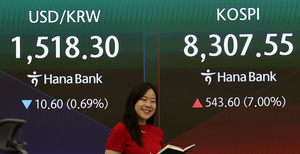
Asian currencies are bearing the brunt of the Iran war's economic fallout, with the Indian rupee and Indonesian rupiah leading a downward trend across the region. Events in Mumbai and Jakarta illustrate how the conflict is accelerating financial pressures, positioning these nations at the forefront of global market anxieties despite not being traditional hotspots.[3] Over the two months since bombings intensified, these currencies have wilted under the heat of the war, driven by fears of prolonged energy supply interruptions and resultant inflation.
The rupee and rupiah's declines are symptomatic of broader vulnerabilities: heavy reliance on imported energy exposes these economies to oil price volatility exacerbated by the Iran war. As global energy markets convulse, capital flight and investor caution amplify depreciation, imperiling trade balances and growth prospects. Tokyo observers note that this trend speaks volumes about the war's pervasive reach, turning local currencies into barometers of international tension.[3]
In the economy global context, these fluctuations ripple outward, influencing everything from export competitiveness to foreign investment flows. India and Indonesia, key emerging markets, exemplify how geopolitical flare-ups in West Asia can destabilize Asia-Pacific finances, prompting central banks to contemplate interventions amid the ongoing strain.[3]
US Energy Market Developments
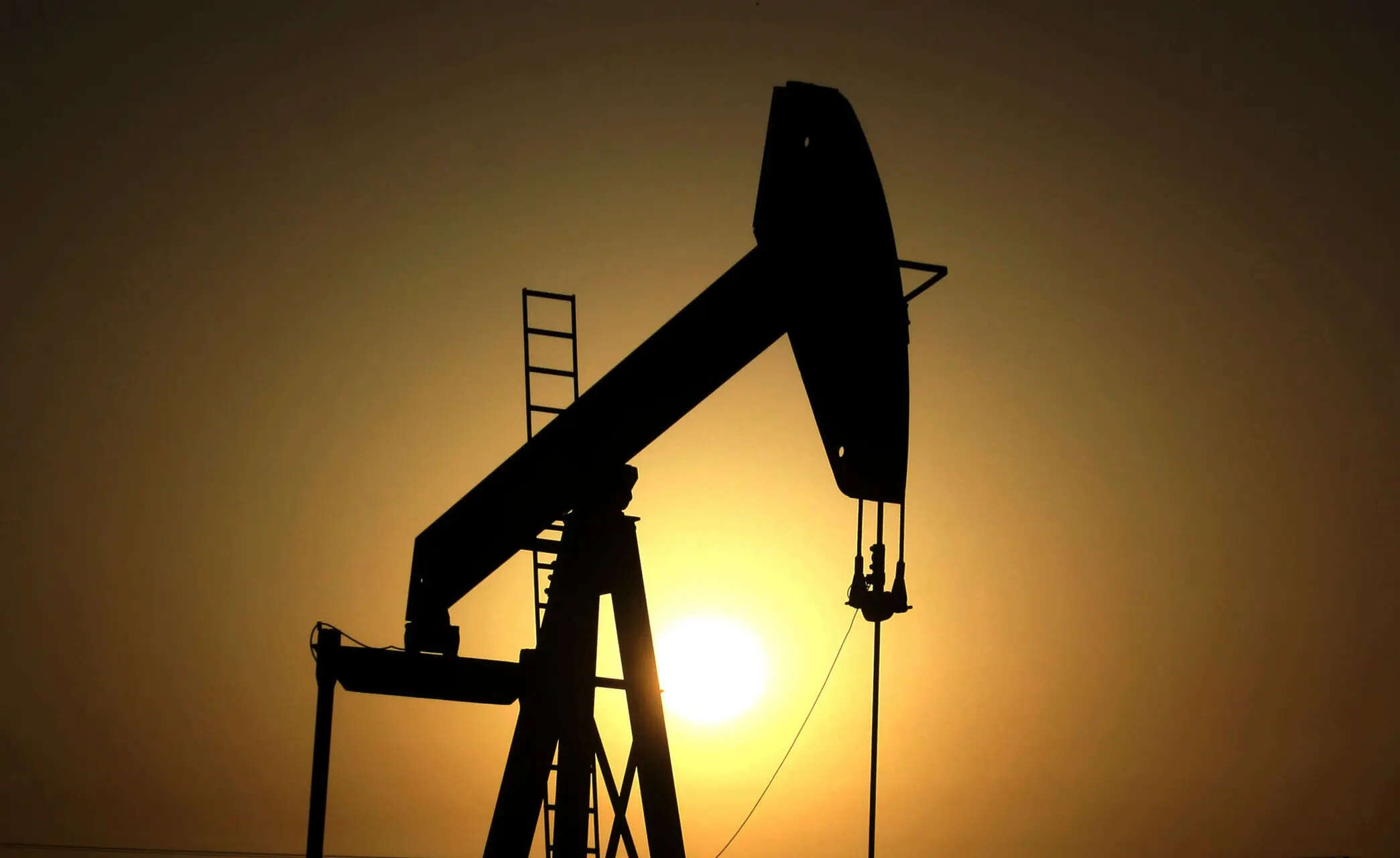
Amid the global energy shock from the Iran war, the U.S. natural gas market presents a striking anomaly: prices at a key West Texas hub have plunged below zero due to an overwhelming domestic glut.[4][5] Producers are now paying buyers to take the fuel, a rare occurrence that underscores the disconnect between local overproduction and international scarcity.
This surplus stems from robust U.S. drilling output, which has flooded the market even as the Iran war disrupts supplies elsewhere, rattling global pricing. The Waha hub in West Texas exemplifies this paradox—abundant supply meets constrained takeaway capacity, driving negative pricing and forcing drillers into unfavorable deals.[4][5] Yet, this domestic abundance does little to alleviate worldwide pressures, highlighting the segmented nature of energy trading.
For the economy global, the U.S. situation offers a counterpoint to scarcity narratives: while Europe and Asia grapple with shortages, American overproduction creates inefficiencies, potentially influencing export dynamics and LNG shipments. Stakeholders monitor whether this glut persists or if war-related demand shifts realign prices.[4][5]
Government Responses to Fuel Supply
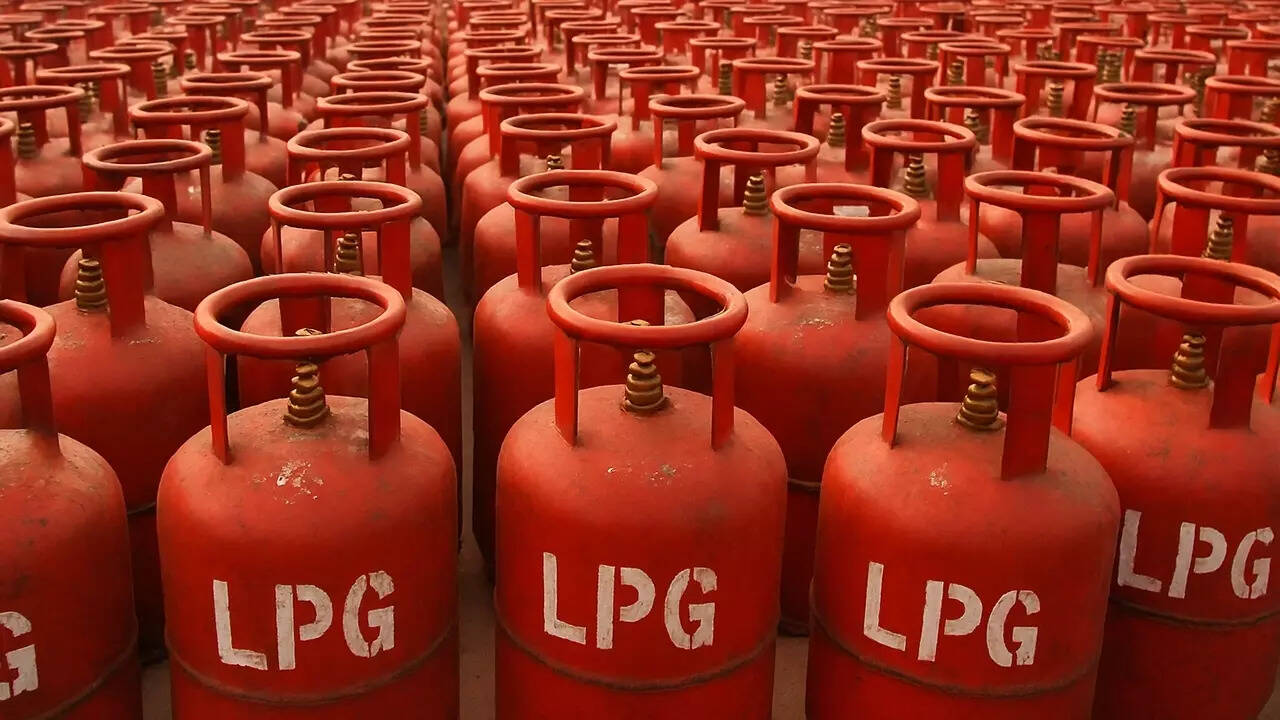
In response to the West Asia crisis impacting global energy markets, the Indian government has assured uninterrupted nationwide availability of essential fuels, prioritizing domestic LPG, PNG, and CNG supplies.[1] Measures ensure 100% coverage, with households at the forefront to safeguard daily needs amid fears of shortages.
Citizens are urged to avoid panic buying and adhere to official updates, as the Centre moves to ease demand through alternative fuels. This proactive stance aims to prevent "dry outs" and maintain stability during the disruptions.[1] By focusing on residential priorities, authorities mitigate risks of hoarding, preserving supply chains strained by the Iran war's ripple effects.
These interventions reflect a broader strategy to insulate consumers from volatility, blending reassurance with practical demand management in the economy global arena.[1]
What to watch next: Monitor Asian currency trends for further declines amid the Iran war,[3] U.S. natural gas pricing for shifts from the current glut,[4][5] aviation sector stability post-Spirit's shutdown,[2] and government fuel supply assurances to gauge panic buying risks.[1]