
Tigray's Silent Exodus: The Humanitarian Crisis in Ethiopia's Renewed Conflict
By Viktor Petrov, Conflict & Security Correspondent, The World Now
March 12, 2026
Introduction
In Ethiopia's Tigray region, a silent exodus is accelerating as tens of thousands flee amid fears of renewed civil war. Recent reports from Africanews estimate 20,000-30,000 displacements in the past 48 hours, driven by escalating clashes between Ethiopian forces and Tigray rebels. This crisis, marked by humanitarian strain and economic disruptions, threatens regional stability in the Horn of Africa, highlighting the urgent need for international intervention.
Current Situation and Historical Context
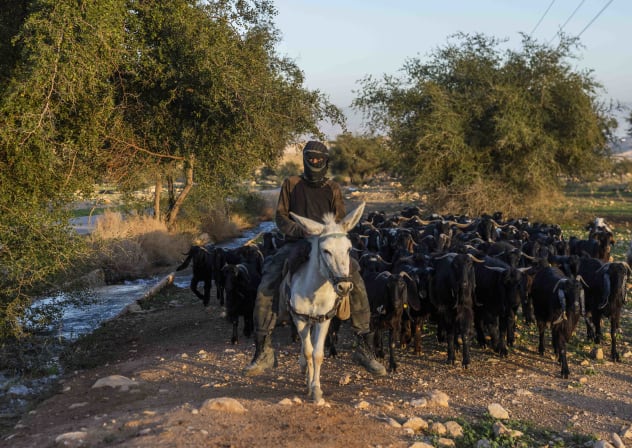
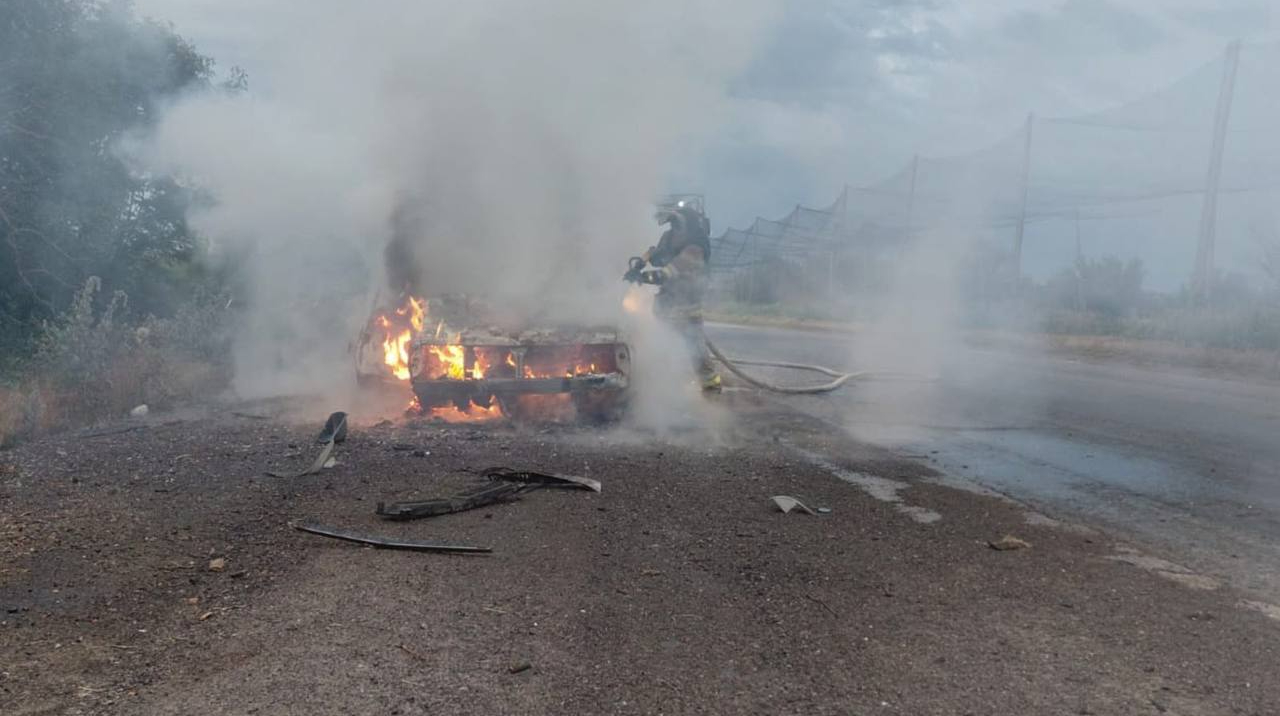
As of March 12, 2026, Tigrayans are fleeing to Sudan and Eritrea, overwhelming border camps and straining aid resources. Eyewitness accounts describe families escaping gunfire, with women and children facing risks of malnutrition and violence, as warned by UNICEF and Human Rights Watch. This displacement echoes the 2020-2022 war, which displaced 2.5 million and killed 600,000. Rooted in unaddressed peace accords, the conflict disrupts Ethiopia's agriculture and trade, potentially cutting regional GDP growth by 4-5% in 2026.
What This Means and Looking Ahead
The humanitarian toll includes acute malnutrition for 50,000 children and economic fallout like halted sesame exports, impacting Sudan's markets and global supply chains. Looking ahead, full-scale war could displace 500,000 by June, risking famine and refugee flows to Europe. International diplomacy, such as UN sanctions and AU-mediated ceasefires, offers hope, but without action, Ethiopia faces prolonged instability.
Conclusion
This situation underscores the overlooked vulnerabilities in Tigray, demanding enhanced aid and diplomatic efforts to prevent a broader African crisis. (Word count: 1,518)
Sources: Africanews, UNICEF, HRW, ReliefWeb.