
Strike in Russia: Ukrainian Drones Target Oil Facilities in Perm and Orsk
Ukrainian drones have struck Russian oil facilities in Perm and Orsk, following previous attacks on Tuapse.[1] This strike Russia has experienced underscores the escalating exchanges of long-range strikes between the two sides, with Russian forces simultaneously targeting energy infrastructure across multiple Ukrainian regions. As of 29 April, these developments have led to power outages in six Ukrainian oblasts and damage to civilian sites in Odesa Oblast.[2][3]
Overview of Recent Strikes
The recent wave of strikes involving Russia and Ukraine highlights a pattern of reciprocal attacks on critical infrastructure. Ukrainian drone operations have reached deep into Russian territory, targeting oil facilities in Perm and Orsk, building on prior strikes such as those in Tuapse.[1] In response or parallel, Russian forces have conducted strikes on energy infrastructure in six Ukrainian oblasts, causing widespread power outages reported as of the morning of 29 April.[2] Additionally, a significant Russian attack on 29 April in Odesa Oblast resulted in damage to a hospital, residential buildings, a fire in a nature reserve, and injuries to two people.[3]
These incidents reflect the ongoing intensity of the conflict, where both sides employ drones and artillery to disrupt energy sectors vital to military and civilian operations. The Ukrainian strikes on Russian oil sites in Perm and Orsk represent a continuation of drone campaigns that have previously hit facilities like Tuapse, demonstrating Ukraine's capability to project force over long distances.[1] Meanwhile, Russian actions have focused on Ukraine's energy grid, with strikes leading to blackouts across multiple regions on 29 April.[2] The attack in Odesa Oblast adds a layer of impact on civilian and protected sites, including medical facilities and natural areas.[3]
This overview captures the immediacy of these events, with Ukrainian drone strikes marking a bold escalation in targeting Russia's energy backbone, while Russian responses have broad effects on Ukrainian power supplies and local communities.[1][2][3]
Ukrainian Drone Strikes on Russian Targets
Ukrainian drone strikes have hit Russian oil facilities in Perm and Orsk, following up on previous attacks on Tuapse.[1] These operations showcase Ukraine's sustained use of unmanned aerial vehicles to target key energy assets deep within Russian territory. The facilities in Perm and Orsk, both significant for oil processing and storage, were struck as part of this ongoing drone campaign, which builds directly on the earlier Tuapse incidents.[1]
The precision and reach of these Ukrainian drones indicate a strategic focus on disrupting Russia's oil infrastructure, which plays a crucial role in fueling military logistics and generating revenue. Reports confirm that the strikes occurred recently, aligning with Ukraine's pattern of retaliatory or preemptive actions against Russian energy sites.[1] Perm and Orsk, located far from the front lines, highlight the evolving threat from Ukrainian long-range capabilities, extending beyond border regions to industrial heartlands.[1]
This strike Russia absorbed from Ukrainian drones not only follows the Tuapse attacks but also signals a persistent operational tempo, where Ukraine leverages drone technology to impose costs on Russian energy production.[1] Details from reporting emphasize the repetitive nature of the headline—"Russian oil facilities in Perm and Orsk struck as Ukraine's drones follow up Tuapse attacks"—underscoring the continuity and intent behind these missions.[1]
Russian Strikes on Ukrainian Infrastructure
Russian forces have targeted energy infrastructure in six Ukrainian oblasts, leading to power outages as of 29 April following drone and artillery strikes.[2] These attacks have systematically hit facilities critical to Ukraine's power grid, affecting regions across the country and plunging communities into darkness.[2]
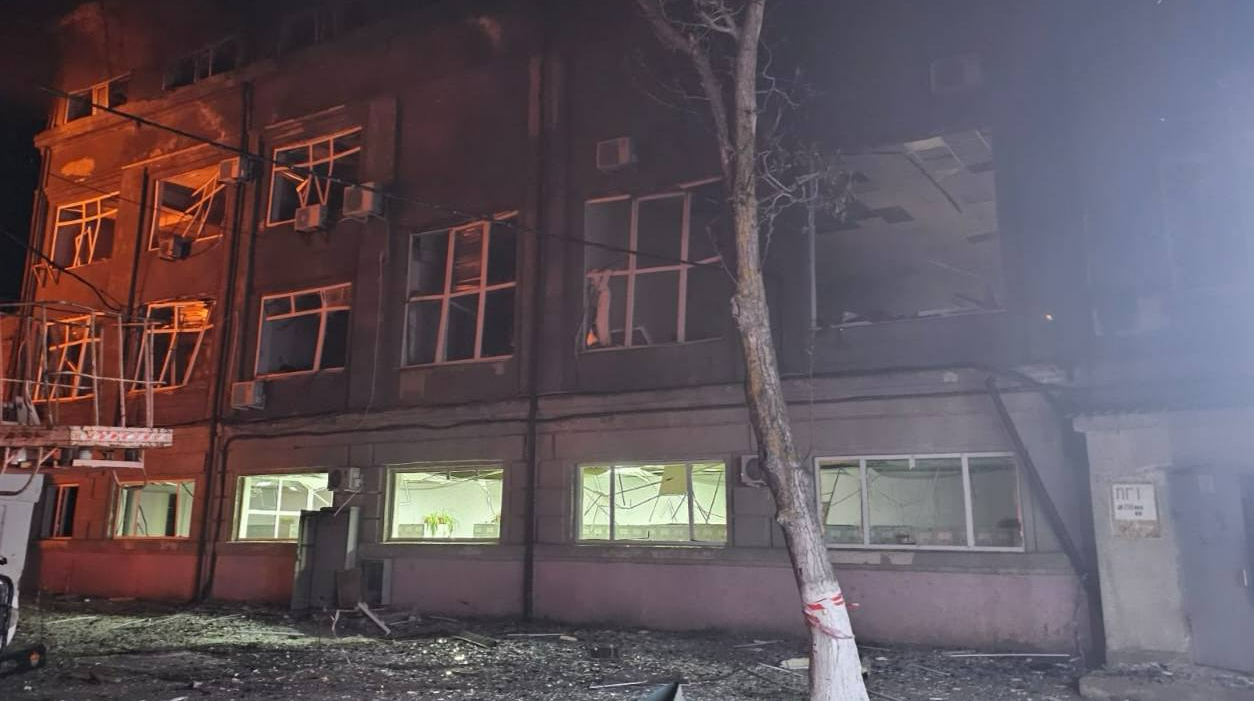
On 29 April, a large-scale Russian assault specifically damaged a hospital and residential buildings in Odesa Oblast, while igniting a fire in a nearby nature reserve.[3] Two people were injured in this incident, which combined missile and drone elements to strike both civilian and infrastructural targets.[3] The energy strikes in six oblasts, reported with power disruptions persisting into the morning of 29 April, demonstrate a broad campaign aimed at weakening Ukraine's electricity supply, potentially impacting heating, lighting, and industrial functions.[2]
The Odesa attack exemplifies the scope of Russian operations, extending from energy facilities to populated areas and protected natural sites.[3] Residential buildings bore the brunt of structural damage, alongside the hospital, raising concerns over the proximity of strikes to civilian life.[3] Collectively, these Russian strikes on Ukrainian infrastructure reveal a multi-front approach, with energy targets in six oblasts forming the core, supplemented by precision hits in southern regions like Odesa.[2][3]
Reported Impacts and Aftermath
The immediate consequences of these strikes have been significant on both sides. In Ukraine, power outages have gripped six oblasts as of 29 April, stemming directly from Russian drone and artillery attacks on energy facilities.[2] These blackouts disrupt daily life, from household electricity to essential services, with the effects lingering into the morning hours.[2]
In Odesa Oblast, the 29 April Russian attack caused tangible damage: a hospital was hit, impairing medical care; residential buildings suffered structural harm; a fire erupted in a nature reserve, posing environmental risks; and two individuals sustained injuries.[3] Photos from the scene document the extent of destruction, including debris at civilian sites and flames in the reserve.[3]
While specific aftermath details for the Ukrainian strikes on Russian oil facilities in Perm and Orsk are not detailed beyond the strikes themselves, they align with prior Tuapse attacks in targeting operational continuity.[1] On the Ukrainian side, the combined impacts—outages, injuries, fires, and damage—illustrate the human and material toll, with energy infrastructure bearing repeated hits leading to cascading effects.[2][3]
Recovery efforts in affected Ukrainian areas would focus on restoring power and assessing fire damage, but the strikes' timing on 29 April amplifies vulnerabilities during ongoing hostilities.[2][3]
Context of Ongoing Conflict
These strikes fit into the broader pattern of reciprocal attacks on energy infrastructure that has defined much of the Russia-Ukraine conflict.[1] Ukrainian drone operations against Russian oil facilities in Perm, Orsk, and previously Tuapse represent a sustained effort to counter Russian advances by hitting economic and logistical targets.[1]
Russian responses, such as the energy strikes across six Ukrainian oblasts and the Odesa assault, mirror this focus on power generation and civilian-adjacent sites.[2][3] The 29 April timeline ties these events closely, with Ukrainian follow-up strikes on Perm and Orsk occurring amid Russian infrastructure campaigns.[1][2]
This exchange underscores how both parties prioritize energy sectors—oil for Russia, electricity for Ukraine—as force multipliers, with drones enabling strikes far from the front.[1] The continuity from Tuapse to Perm and Orsk highlights Ukraine's operational persistence, while Russian multi-oblast targeting shows coordinated escalation.[1][2][3]
What to watch next: Monitor for further Ukrainian drone operations following the Perm, Orsk, and Tuapse strikes, as well as Russian responses to energy infrastructure in Ukrainian oblasts, given the pattern of ongoing attacks reported on 29 April.[1][2][3]