Conflict in Mali: France Urges Citizens to Leave Following Rebel Attacks
The conflict in Mali has intensified with rebel attacks carried out by Islamist insurgents and Tuareg separatists, leading to urgent international warnings for citizens to leave the country and firm assurances from the ruling junta that the situation remains under control.[1][2][3]
Overview of Recent Attacks
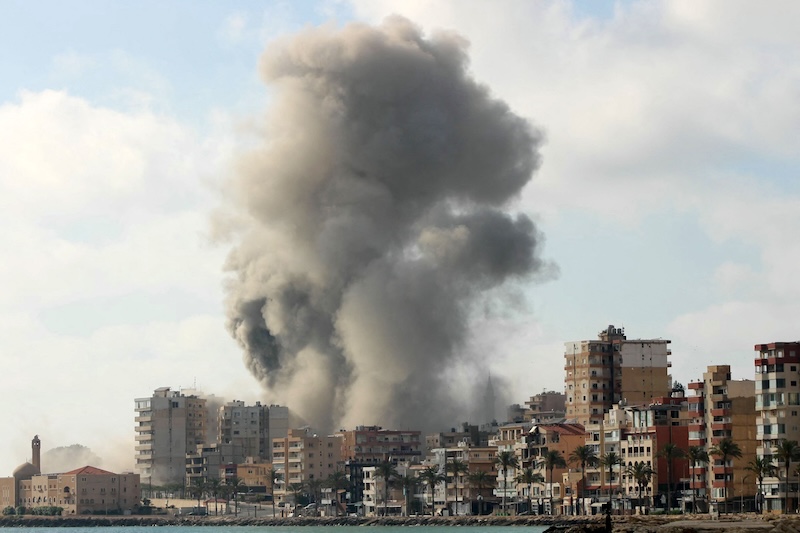
The recent wave of rebel attacks in Mali represents a significant escalation in the country's ongoing instability, targeting major cities and involving coordinated efforts from both Islamist insurgents and Tuareg separatists.[2][3] These assaults occurred over the weekend, destabilizing the ruling junta and prompting widespread concern about the security landscape in the vast Sahelian nation.[3] Described by junta chief Assimi Goita as a situation "of extreme gravity," the attacks have highlighted vulnerabilities in the north, where insurgent groups maintain a strong presence.[3]
Details from reports indicate that the strikes were unprecedented in scale, marking a departure from previous sporadic violence and signaling a bolder strategy by the attackers.[3] The involvement of jihadists alongside Tuareg separatists underscores the complex alliances at play, with these groups launching a "stunning wave of attacks" that caught authorities off guard.[2][3] This coordination has amplified the immediate impacts, including disruptions to urban centers and challenges to the junta's authority just days after the incidents.[2] The targeting of major cities not only amplifies the psychological effect on the population but also tests the military's response capabilities in a region long plagued by such threats.[3]
Furthermore, the attacks have unfolded in a context where insurgent activities have persisted, reflecting deeper grievances and operational strengths among the rebels.[2] The weekend timing and multi-front approach suggest meticulous planning, aimed at maximizing pressure on the government and drawing international attention to the northern frontlines.[3] As the dust settles three days post-assault, the full extent of casualties and damage remains tied to these initial reports, emphasizing the rapid deterioration of security in key areas.[2][3]
International Responses
In response to the escalating rebel attacks, France has issued a direct urging for its citizens to leave Mali immediately, reflecting heightened concerns over the safety of foreigners amid the unrest.[1] The UK has echoed this advisory, warning its nationals that remaining in the country comes with significant personal risk.[1] These measures underscore the perceived volatility following the assaults by Islamist insurgents and Tuareg separatists, prioritizing evacuation to mitigate potential threats to expatriates.[1]
Such travel warnings are not issued lightly and indicate that diplomatic assessments view the situation as deteriorating rapidly, particularly in light of the attacks' scope and the rebels' vows of further action.[1] France's call aligns with broader patterns of caution in conflict zones, where governments prioritize citizen safety amid fluid battlegrounds.[1] The UK's stipulation of "at their own risk" for those who stay further emphasizes the lack of reliable security guarantees, advising against non-essential presence.[1] These responses from major Western powers signal a unified front in monitoring the conflict in Mali, potentially influencing other nations' policies and highlighting the international ripple effects of the junta's challenges.[1]
Statements from Rebel Groups
Tuareg rebels, represented by the Azawad Liberation Front, have issued stark declarations following the recent attacks, vowing that Mali's ruling junta "will fall."[2] A spokesperson for the group made this pledge on Wednesday, framing it as an inevitable outcome after the weekend assaults by Islamist insurgents and Tuareg separatists on major cities.[2] In addition to predicting the regime's collapse, the rebels have demanded the withdrawal of Russian forces "from all of Mali," positioning themselves as key players in the push against foreign involvement.[2]
These statements reflect the rebels' confidence post-attacks, portraying the junta as weakened and unsustainable.[2] The call for Russian exit taps into narratives of external interference, aligning with separatist goals for greater autonomy in the north.[2] By publicly outlining these demands, the Azawad Liberation Front not only claims credit for the disruption but also seeks to rally support among sympathetic factions and communities.[2] The timing—shortly after the strikes—amplifies their messaging, suggesting the attacks were a deliberate escalation to force political concessions or outright regime change.[2]
Government's Position
Mali's junta chief, Assimi Goita, delivered his first public address since the attacks on Tuesday, firmly stating that the situation is "under control."[3][4][5] Addressing the nation amid the fallout from the large-scale assaults, Goita urged citizens not to panic, projecting stability despite the "extreme gravity" he acknowledged.[3][5] This marked his initial on-camera response to the destabilizing events, where jihadists and Tuareg separatists launched waves of attacks over the weekend.[3]
Goita's assurances aim to restore public confidence, countering the visible impacts of the rebels' advances in the north.[4][5] Reports from multiple outlets confirm his emphasis on control, with phrases like "the situation is under control" repeated across his speech.[3][4][5] By making this his debut statement post-attacks, the military leader sought to reassert authority and downplay the junta's vulnerabilities exposed by the coordinated strikes.[3] The call against panic serves a dual purpose: calming the populace while signaling to rebels and international observers that the government retains operational dominance.[5]
This position contrasts sharply with rebel narratives, positioning the junta as resilient amid ongoing threats.[3][4] Goita's address, covered extensively, underscores the junta's strategy of public reassurance to maintain cohesion in a fractured security environment.[5]
Current Status of the Conflict
Three days after the major attacks, jihadists and Tuareg separatists remain positioned in northern Mali, indicating that the immediate threats persist despite the junta's claims of control.[3][5] The conflict in Mali continues to simmer in this vast region, with insurgents holding ground following their stunning offensive on urban targets.[3] Assimi Goita's acknowledgment of the situation's gravity highlights the unresolved challenges, even as he insists on stability.[3]
The ongoing presence of these groups points to a protracted struggle, where weekend escalations have not been fully neutralized.[5] Northern Mali's terrain and historical separatist strongholds facilitate such entrenchment, complicating junta efforts.[3] Current reports frame this as an embattled phase for the leadership, with large-scale attacks destabilizing governance yet met with vows of containment.[5] The interplay between jihadist operations and Tuareg demands keeps the northern front active, sustaining the broader conflict dynamics.[3]
What to watch next: Monitor the junta's military responses in the north where jihadists and Tuareg separatists remain active, alongside any developments on Russian forces' status amid rebel demands and international evacuation advisories.[2][3][5]