
Conflict in Mali: France Urges Citizens to Leave Amid Rebel Attacks
In the escalating conflict in Mali, the country's junta chief has declared that the situation is under control following recent large-scale attacks by Islamist insurgents and Tuareg separatists.[3][4][5] France and the UK have urged their citizens to leave Mali due to the ongoing rebel attacks, advising those who remain to do so at their own risk.[1] These developments mark a significant escalation, with jihadists and Tuareg separatists targeting major cities in Mali's north.[2][3] Mali's military leader, Assimi Goita, made his first public address since the attacks, acknowledging the gravity of the situation while urging citizens not to panic.[3][5]
Recent Attacks in Mali
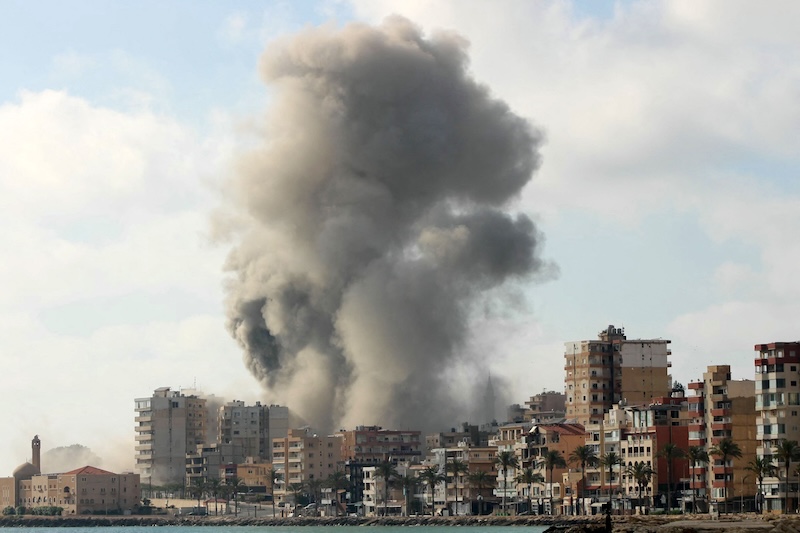
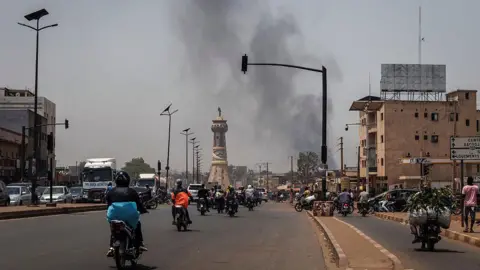
The recent attacks in Mali represent a stunning wave of offensives that have destabilized the ruling junta, involving coordinated actions by jihadists and Tuareg separatists positioned in the vast north of the Sahelian country.[3] These assaults, launched over the weekend, targeted major cities and came three days before junta chief Assimi Goita's public address, highlighting the immediate pressure on government forces.[2][3] A spokesperson for the Tuareg rebel group, the Azawad Liberation Front, referenced these weekend attacks by Islamist insurgents and Tuareg separatists as a pivotal moment in their campaign against the regime.[2] The scale of these operations has been described as unprecedented and large-scale, underscoring the challenges faced by Mali's military leadership in maintaining security across the expansive northern regions.[3] Goita himself acknowledged the situation as one "of extreme gravity" during his address, reflecting the severity of the insurgent incursions that continue to see rebel forces holding positions in the north.[3] This context of sustained rebel presence and bold strikes on urban centers illustrates the intensity of the confrontations that have unfolded in recent days, drawing international attention to the fragility of control in Mali's northern territories.[2][3]
International Responses
France has issued a direct call for its citizens to leave Mali in response to the rebel attacks, signaling heightened concerns over safety amid the deteriorating security environment.[1] The UK has echoed this advisory, similarly urging its nationals to depart the country and warning those who choose to stay that they do so at their own risk.[1] These travel warnings from major Western powers come in the wake of the large-scale attacks by Islamist insurgents and Tuareg separatists, reflecting a broader international assessment of the risks posed by the ongoing instability.[1] Such advisories are not isolated but part of a pattern of precautionary measures taken by governments monitoring the conflict in Mali, prioritizing the protection of their citizens in a region marked by active rebel operations.[1] The French urging, in particular, underscores the perceived immediacy of the threat following the assaults on major northern cities, prompting rapid diplomatic and consular responses to mitigate potential dangers for expatriates.[1]
Statements from Tuareg Rebels
Tuareg rebels, represented by the Azawad Liberation Front, have issued a stark vow that Mali's ruling junta "will fall," coupling this pledge with a demand for Russian forces to withdraw from the country.[2] A spokesperson for the group made this declaration on Wednesday, explicitly calling for Russian forces to pull out "from all of Mali" in the aftermath of the weekend attacks carried out by Islamist insurgents and Tuareg separatists.[2] This statement positions the rebels as resolute in their opposition to the current regime, framing the recent offensives as a step toward achieving their goal of toppling the junta.[2] The Azawad Liberation Front's rhetoric emphasizes a unified front with other insurgent elements, leveraging the momentum from the major city-targeted strikes to amplify their calls for foreign military disengagement and regime change.[2] By publicly pledging the junta's downfall and targeting Russian presence, the Tuareg group signals an intent to broaden the conflict's scope, challenging not only Malian authorities but also external actors involved in the country's security landscape.[2]
Junta's Official Response
Mali's military leader, Assimi Goita, insisted in his first public address since the attacks that the situation is "under control," aiming to reassure the population amid the chaos.[3][4][5] Speaking on Tuesday, Goita described the weekend's unprecedented large-scale attacks as having destabilized his ruling junta, yet he maintained a firm stance on governmental authority over the crisis.[3][5] In this address, he acknowledged the "extreme gravity" of the situation posed by jihadists and Tuareg separatists still positioned in the north, while urging citizens not to panic.[3][5] This marked his initial public statement post-assaults, where he reiterated control over the country despite the rebels' ongoing presence three days after their wave of strikes.[3][4] Sources close to the coverage, including France 24's International Affairs Editor, noted the embattled nature of the junta chief's position as he navigated these remarks.[3] Africanews reported Goita's direct quote that "the situation is under control," aligning with RFI's account of his insistence on stability coupled with anti-panic messaging.[4][5] Collectively, these statements from Goita project resilience from the junta, countering the rebels' vows while addressing the tangible threats in Mali's northern expanse.[3][4][5]
Ongoing Implications
The ongoing conflict in Mali continues to unfold with jihadists and Tuareg separatists maintaining positions in the north, even as the junta asserts control following the weekend's large-scale attacks.[1][2][3] International advisories from France and the UK highlight the persistent risks for civilians and foreigners, advising departure amid the rebel offensives.[1] Tuareg rebels' vows of regime collapse and demands for Russian withdrawal add layers to the instability, building on the momentum of strikes against major cities.[2] Goita's address, while acknowledging gravity, seeks to stabilize public sentiment without yielding ground to insurgent claims.[3] This interplay of attacks, foreign warnings, rebel declarations, and junta responses defines the current dynamics, with northern regions remaining a focal point of contention.[1][2][3]
What to watch next: Observers will monitor whether jihadists and Tuareg separatists advance further from their northern positions, junta chief Assimi Goita's follow-up measures to maintain claimed control, and any shifts in international advisories as the situation evolves.[2][3]