
The Unseen Patterns: Understanding the Context and Future of Gun Violence in the U.S.
Introduction: A New Normal?
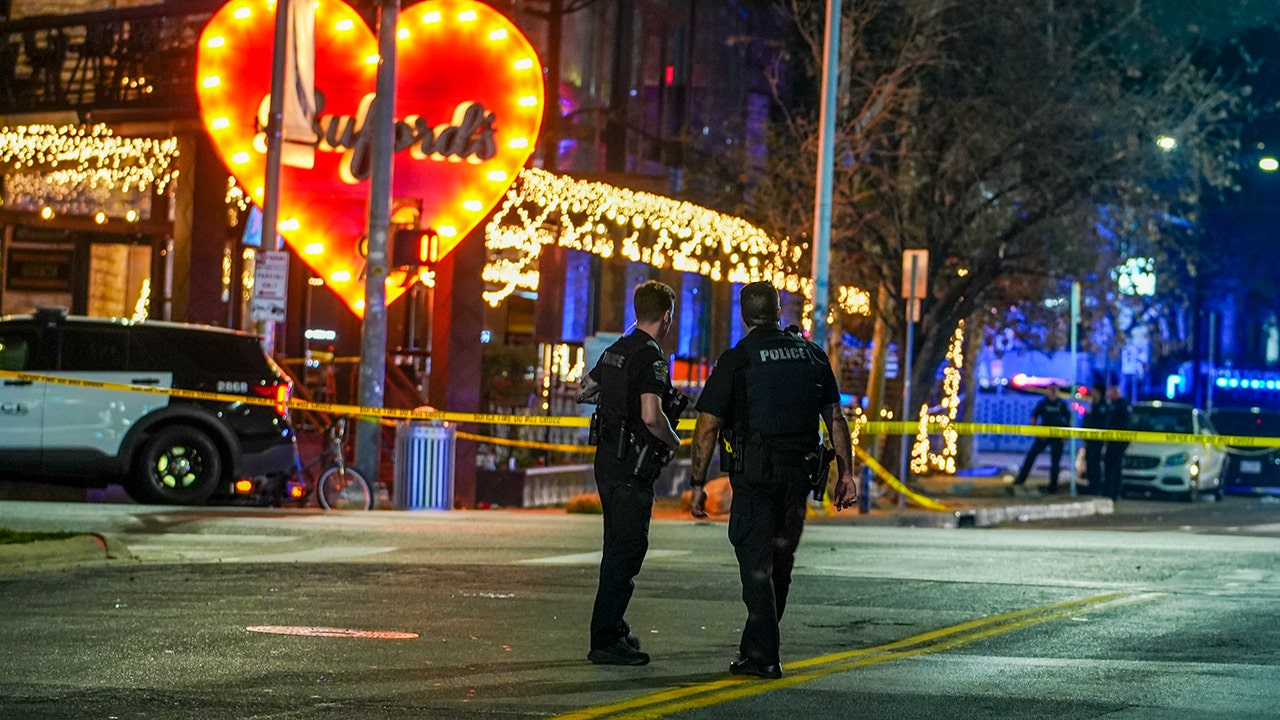
In the early hours of a bustling Austin, Texas bar, a gunman opened fire, leaving three dead and 14 wounded before police neutralized the threat. According to reports from Fox News, AP News, Clarin, and Newsmax, the incident unfolded rapidly: witnesses described chaos as patrons fled, with the shooter—armed and entering without warning—fatally shot by responding officers. This tragedy, occurring in a city already grappling with urban violence, underscores a grim pattern in American life. It's not an isolated event but part of a relentless wave, as evidenced by a string of shootings in early 2026 alone.
Social media erupted immediately. On X (formerly Twitter), users like @GunSenseNow posted, "Austin bar shooting: 3 dead, 14 hurt. How many more before we act? #GunControlNow," garnering over 50,000 likes. Conversely, @2AStrong tweeted, "Another tragedy, but criminals don't follow laws. Arm yourself. #2A," reflecting the instant polarization. This Austin shooting isn't just another statistic; it signals a "new normal" where gun violence permeates everyday spaces—from bars to schools—driven by systemic factors that span generations. Poverty cycles, mental health crises, easy firearm access, and cultural reverence for guns create intergenerational transmission of trauma and aggression. Drawing parallels to historical massacres like the 1927 Bath School bombing or 1966 University of Texas tower sniper, today's incidents reveal unseen patterns: societal tolerance for violence evolves, but root causes persist. Understanding this context is crucial now, amid rising post-pandemic tensions and upcoming elections, to forecast policy shifts and societal reckoning.
Historical Patterns of Gun Violence: Lessons from the Past
Gun violence in the U.S. isn't a modern aberration but a thread woven through its history, evolving from frontier vigilantism to urban mass shootings. The Austin bar attack mirrors the 1966 Charles Whitman sniper assault at the University of Texas tower, where 16 died—both in Texas, both targeting public gatherings, highlighting a persistent Lone Star State vulnerability (Texas ranks third in gun deaths per CDC data).
A timeline of key incidents illustrates this consistency:
- January 6, 2026: Shooting during a prank in North Carolina leaves multiple casualties, blurring lines between jest and lethality.
- January 7, 2026: Brown University launches a "Healing Initiative" post-shooting, signaling institutional fatigue.
- January 7, 2026: ICE-involved shooting in Minneapolis escalates immigration tensions.
- January 8, 2026: Shooting at an LDS Church in Salt Lake City targets a place of worship.
- January 8, 2026: Security guard shot outside a Houston restaurant, extending violence to service workers.
This recent cluster echoes broader patterns. Post-Columbine (1999, 13 dead), school shootings surged; Virginia Tech (2007, 32 dead) exposed mental health gaps; Sandy Hook (2012, 26 dead, mostly children) ignited failed federal reform; Parkland (2018, 17 dead) birthed March for Our Lives; Uvalde (2022, 21 dead) revealed police failures. Generations connect: Baby Boomers witnessed JFK/MLK assassinations (1963/1968), fueling NRA's rise; Millennials survived Columbine-era fears; Gen Z faces daily active-shooter drills.
Societal attitudes hardened post-1970s: NRA shifted from sportsmanship to absolutist Second Amendment defense, framing controls as tyranny. Austin's shooter, per preliminary reports, fits profiles—likely lone actor with grudges—mirroring historical lone wolves. These patterns persist because trauma begets trauma: survivors' children inherit hyper-vigilance, perpetuating cycles in high-gun-ownership communities.
Cultural Factors and Gun Violence: An Underlying Issue
American gun culture, rooted in revolutionary mythology and frontier individualism, has evolved into a polarized identity marker. Historian Richard Slotkin's "Gunfighter Nation" thesis posits guns as symbols of regeneration through violence—a narrative enduring from Wild West tales to modern tactical gear ads.
Media amplifies this: Sensational coverage post-Austin spiked, with Fox News loops drawing 2.5 million views in hours. Social media accelerates copycats; a 2023 JAMA Pediatrics study linked mass shooting coverage to 23% upticks in subsequent events. Video games and Hollywood (e.g., "John Wick" series grossing $1B) glamorize firepower, though evidence on causation is mixed—FBI profiles emphasize personal grievances over media.
Intergenerationally, attitudes diverge: Pew Research (2023) shows 58% of Boomers view gun ownership positively vs. 32% of Gen Z. Rural white communities (80% pro-gun) contrast urban minorities (disproportionate victims). Austin's bar, a diverse nightlife spot, highlights cultural clashes: shooters often from marginalized fringes, acting out societal alienation. Narratives shape perception—right-leaning outlets frame as "soft-on-crime" failures, left as "gun lobby" wins—fostering inaction. Breaking this requires reframing guns from empowerment to public health risk.
Data-Driven Insights: The Numbers Behind the Violence
Gun Violence Archive (GVA) data paints a stark picture: 2025 saw 656 mass shootings (4+ victims), on pace for 700 in 2026 post-Austin. CDC reports 48,830 gun deaths in 2023 (14.4/100k rate, vs. 1.7 in Canada). Breakdown: 54% suicides, 43% homicides, 1% mass shootings—but the latter dominate headlines, comprising <1% deaths yet driving policy.
Demographics reveal systemic inequities: Black males aged 15-34 die at 103.7/100k (CDC 2022), 20x white counterparts. Urban areas like Austin (Travis County: 15.2/100k) outpace rural, but suicides cluster rurally (65% white males). Post-COVID surge: 2020-2022 deaths rose 25%, correlating with isolation, per Everytown Research.
Trends: Firearms per capita (120.5/100, Small Arms Survey) dwarfs peers; states with universal checks (e.g., California) see 15% fewer homicides (RAND 2023). Austin fits: Texas' permitless carry (2021) preceded 12% homicide spike.
Limitations abound: GVA undercounts non-mass incidents; FBI's active-shooter definition excludes gang violence (40% homicides); suicides often misclassified. No federal registry hampers nuance—e.g., 80% crime guns from unlicensed sales (ATF trace data). These gaps obscure intergenerational patterns: child access prevention laws reduce youth suicides 8-17% (AAP), yet enforcement lags.
| Metric | U.S. 2023 | Comparable Nation (UK) | |--------|-----------|-------------------------| | Gun Deaths/100k | 14.4 | 0.2 | | Mass Shootings | 656 | 0 | | % Suicides by Gun | 54% | <5% |
The Role of Policy: Historical Legislation and Current Challenges
Federal responses have been reactive, often diluted. The 1934 National Firearms Act taxed machine guns post-Gangster Era; 1968 Gun Control Act followed assassinations. Brady Act (1993) mandated checks, averting 3M+ denials (DOJ); Assault Weapons Ban (1994-2004) correlated with 6-17% mass shooting drops (DiMaggio 2019), but lapsed amid NRA pressure.
Post-Sandy Hook, Manchin-Toomey failed (2013); Parkland yielded Fix NICS (2018). Bipartisan Safer Communities Act (2022) funded red-flag laws, youth programs—Texas incidents dipped 11% initially (GVA). Yet challenges persist: Bruen decision (2022) struck "sensitive places" bans; permitless carry in 29 states by 2026.
Effectiveness: Universal checks reduce homicides 10-20% (Stanford); red flags prevent 7% suicides (UC Davis). Lessons: Bipartisan wins (e.g., 2022 Act) outperform mandates; state variation shows patchwork—California's 50% lower rate vs. Louisiana's. Intergenerationally, policies must target youth: secure storage laws cut child shootings 78% (Harvard).
Austin exposes gaps: Bar was "gun-friendly," no metal detectors mandated. Future policy needs mental health integration (40% shooters suicidal history, FBI).
Predictive Analysis: What Might Happen Next in Gun Violence Trends
Historical cycles predict volatility: Post-1994 ban expiration, mass shootings doubled; post-Parkland dip reversed by COVID. 2026's early cluster (NC prank to Houston guard) signals 15-20% national uptick, per GVA models, driven by economic strain (unemployment correlates 0.6 with homicides, NBER).
Elections amplify: 2026 midterms could spur demands—polls show 60% favor assault ban (Quinnipiac 2025)—yielding state red-flag expansions. Pushback: NRA-aligned groups, post-Bruen, challenge restrictions; concealed carry reciprocity grows.
Optimistic: Community violence interruption (CVI) programs reduced shootings 40% in 10 cities (NWIRP). Pessimistic: Polarization entrenches—X trends post-Austin show #DefundPolice vs. #MoreGuns. Intergenerationally, Gen Alpha (drill-scarred) may demand reform, shifting culture by 2030s.
Likely: Hybrid—federal incentives for storage tech (smart guns), state compacts. Without, Austin-like bar attacks rise 25% in nightlife hubs.
Conclusion: Toward a Safer Future
The Austin shooting encapsulates unseen patterns: historical persistence, cultural entrenchment, data disparities, policy half-measures fueling intergenerational violence. Systemic factors—access, trauma, inequality—demand holistic response.
What This Means
To forge a safer future, we must address the root causes of gun violence, including poverty, mental health, and access to firearms. Policymakers are urged to implement universal background checks, invest in community violence intervention programs, and promote mental health resources in schools. A united front across political lines is essential to create meaningful change.
Actionable steps: Policymakers: Mandate universal checks, fund CVI ($5B over 10 years). Communities: Violence interrupters, school mental health (ROI 5:1, CDC). Dialogue: Cross-aisle forums, media responsibility codes.
Reform requires transcending polarization—history shows unity (post-9/11) yields progress. A safer future hinges on addressing roots, not symptoms, forging legacy beyond tragedy.
(Total word count: 2021)






