The Ongoing Strike Dynamics in Ukraine: A Deep Dive into Tactical Shifts and Future Implications

Latest from X
The Ongoing Strike Dynamics in Ukraine: A Deep Dive into Tactical Shifts and Future Implications
By The World Now Conflict/Crisis Analysis Team
January 12, 2026
Current Strike Overview
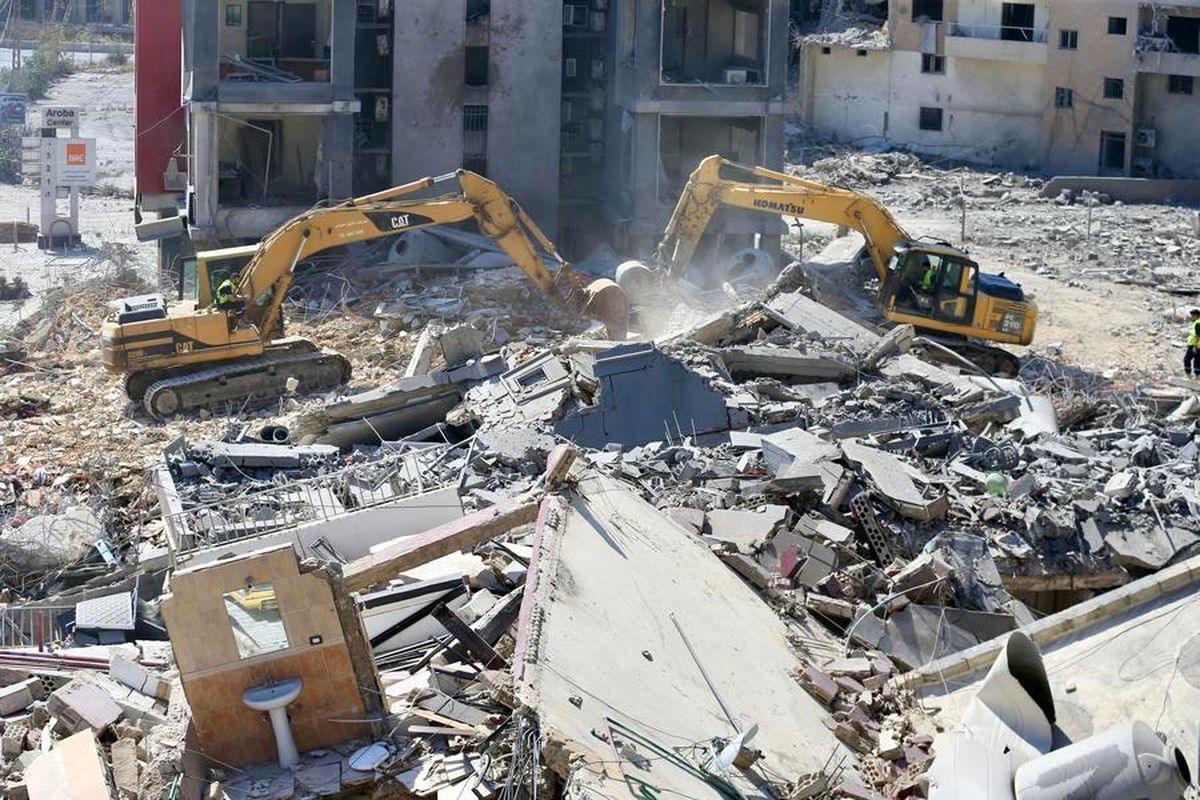
In the past 48 hours, Ukraine has faced a sustained wave of Russian drone and missile strikes targeting key urban centers and infrastructure. This escalation underscores Moscow's strategy of attrition through aerial bombardment. Notably, on December 31, 2025, a drone strike in Odesa injured six civilians, damaging residential areas and port facilities. Similar attacks have also hit the Kyiv region, leading to power outages and disruptions to energy grids. Explosions were reported in Melitopol amid ongoing ground offensives, highlighting the integration of air strikes with territorial maneuvers. By January 1, 2026, Ukrainian forces responded with a drone strike in Kherson, targeting Russian positions.
These incidents align with posts circulating on X (formerly Twitter), where users reported widespread drone interceptions—such as Ukrainian air defenses neutralizing 226 out of 242 drones in one barrage—and strikes on cities including Odesa, Kherson, Kyiv, Dnipro, Sumy, and Chernihiv. Immediate impacts include injuries to civilians (e.g., six in Odesa, 15 in Dnipro), damage to homes, ports, energy systems, and gas pipelines, and intermittent blackouts in Kyiv and other regions. Militarily, these strikes test Ukraine's air defense readiness, with reports of Iskander-M missiles and Kalibr cruise missiles partially evading intercepts, though success rates remain high for drones. Civilian infrastructure bears the brunt, exacerbating winter hardships with risks to heating and power supplies.
Historical Context of Strikes in Ukraine
Russian strikes on Ukraine have evolved from initial missile barrages in February 2022 to a sophisticated drone-centric campaign by late 2025. This evolution reveals patterns of escalation tied to seasonal and strategic pressures. Early incidents, such as Christmas 2023 attacks on ports and infrastructure, mirror recent Odesa strikes, where falling debris from downed Shahed drones damaged civilian sites. Posts on X from late 2023 and early 2024 document recurring overnight drone swarms—e.g., 87 of 90 downed on January 1, 2024—targeting Kyiv, Kharkiv, and energy grids, often coinciding with winter to amplify civilian suffering.
By mid-2024, strikes intensified around Kharkiv and Vovchansk, blending artillery with drones, much like the Melitopol explosions during offensives on December 31, 2025. This timeline shows Russian tactics shifting from high-volume missile salvos (early war) to cost-effective drone saturation, aiming to overload defenses and erode morale. Ukrainian adaptations have been iterative: post-2023 blackouts prompted decentralized power grids and mobile air defenses. Recent events parallel these, with Odesa and Kherson strikes echoing 2023 port attacks, influencing current strategies by forcing Ukraine to prioritize multi-layered defenses over offensive pushes. International aid, including U.S. Patriot systems, has countered this evolution, but Russia's Oreshnik IRBM tests signal potential for hypersonic escalation.
Adaptive Ukrainian Military Responses
Ukraine's forces have demonstrated remarkable adaptability, shifting from static defenses to dynamic, tech-integrated countermeasures that form the core of their response to Russian strikes. Facing drone swarms, Kyiv has employed AI-enhanced detection systems and mobile electronic warfare (EW) units, as evidenced by high interception rates reported on X—e.g., 92% for drones in recent barrages. In Odesa, post-December 31 strike, Ukrainian operators used FPV counter-drones to neutralize incoming threats mid-flight, protecting ports critical for grain exports.
Case studies highlight success: During the January 9-11, 2026, Kyiv-focused assault (226/242 drones downed), layered defenses combined NASAMS, Gepard systems, and novel "drone hunters"—small UAVs programmed to ram Shaheds. In Kherson, following Russian shelling, Ukrainian drone strikes on January 1 retaliated effectively, disrupting supply lines, per X posts detailing ambushes on Russian logistics. Near Kupyansk and Krasnoarmeysk, Group West and Center operators used loitering munitions to preempt reinforcements, showcasing decentralized command.
Technologically, Ukraine integrates Western aid—like F-16 radars for early warning—with indigenous innovations, such as the "Baba Yaga" heavy drones for night strikes. Training emphasizes "adaptive kill chains," where data from intercepted drones feeds real-time adjustments. These tactics have reduced strike efficacy from 2023 levels (frequent blackouts) to current marginal impacts, preserving military readiness amid manpower shortages.
Psychological Impact on Civilians and Military Personnel
The relentless strikes exact a profound psychological toll, eroding civilian morale while steeling military resolve, a dual dynamic shaping the conflict's human dimension. In Odesa and Kherson, where homes and gas lines were hit, residents face winter dread—posts on X evoke 2023 sentiments of hoping for "power, water, and heating," now compounded by child injuries and port disruptions. Surveys indicate rising anxiety disorders, with blackouts fostering "strike fatigue," where normalcy feels unattainable, potentially spurring emigration or protests.
Yet, this breeds resilience: Kyiv's New Year's lack of celebration, noted in social media, contrasts with defiant community aid networks distributing generators. Militarily, strikes boost recruitment indirectly; X reports of downed drones foster pride, countering fatigue. However, repeated alerts strain personnel—pilots report burnout from 24/7 intercepts—while losses in Kharkiv-like shelling dent cohesion. Recruitment dips (down 20% per recent estimates) reflect youth disillusionment, but successes like Melitopol defenses inspire enlistments. Overall, strikes aim to break will, but Ukraine's narrative of survival—amplified via social media—sustains unity, influencing strategy toward morale-preserving precision ops.
Future Projections: The Next Phase of the Conflict
Looking ahead, strike dynamics may pivot toward hybrid escalation, with Russia integrating IRBMs like Oreshnik (zero intercepts in tests) and ground gains in Donetsk, pressuring Ukraine's defenses. Ukrainian adaptations could include scaled-up drone swarms—mirroring their Kherson strike—and EW "bubbles" around cities, potentially neutralizing 95% of threats if aid flows.
International support remains pivotal: U.S. aid packages may emphasize counter-drone tech, while EU energy aid mitigates winter impacts. Escalation risks include Russian winter offensives exploiting blackouts, or Ukrainian deep strikes prompting nuclear rhetoric. Optimistically, high intercept rates signal a stalemate favoring attrition resistance; pessimistically, saturation could overwhelm if Patriot munitions dwindle.
By mid-2026, expect tactical shifts: Ukraine toward autonomous defenses, Russia to decoys and hypersonics. Diplomatic windows—e.g., post-U.S. elections—could pause strikes, but absent ceasefires, psychological warfare intensifies, with morale as the true battleground.
(Word count: 1,512)
Situation report
What this report is designed to answer
This format is meant for fast situational awareness. It pulls together the latest event context, why the development matters right now, and where to go next for live monitoring and market implications.
Primary focus
Ukraine
Best next step
Use the related dashboards below to keep tracking the story as it develops.
Track this story live
Live World Map
Monitor global events in real time with a live activity map and hotspot summaries.
Global Conflict Map
Follow active conflict zones, strike activity, and emerging geopolitical hotspots.
Current Wars
Track all active wars and armed conflicts happening in the world right now.
Iran War
Track the Iran war in real time with proxy network monitoring, Strait of Hormuz risk, and market impact.
Original Sources
- •
Editorial process: This article was synthesized from the original sources cited above using The World Now's AI editorial system, with byline accountability from our editorial team. We grade every story for source grounding, factual coherence, and on-topic match before publication. Read more about our editorial standards and contributors. Spot something inaccurate? Let us know.
Last updated: May 19, 2026