
The Most Dangerous Countries in 2026: A Deep Dive into Global Geopolitical Flashpoints
Introduction: Why the Most Dangerous Countries in the World Demand Urgent Attention
In an era of cascading geopolitical tensions, identifying the most dangerous countries is no longer a speculative exercise but a data-driven imperative grounded in live event data from The World Now's Global Risk Index. This ranking—unlike subjective lists—quantifies interconnected risks from ongoing conflicts, disaster frequencies, and political instability, revealing a global web of escalation that threatens to pull in distant powers. As of March 2026, flashpoints like paused Ukraine peace talks amid the Iran war and Middle East escalations underscore why these most dangerous countries in 2026 demand urgent attention. For travelers, this translates directly to the most dangerous countries to travel, where drone sightings over U.S. bases and military exercises in the Black Sea amplify perils beyond traditional advisories, making these among the most dangerous countries in the world for any international venture.
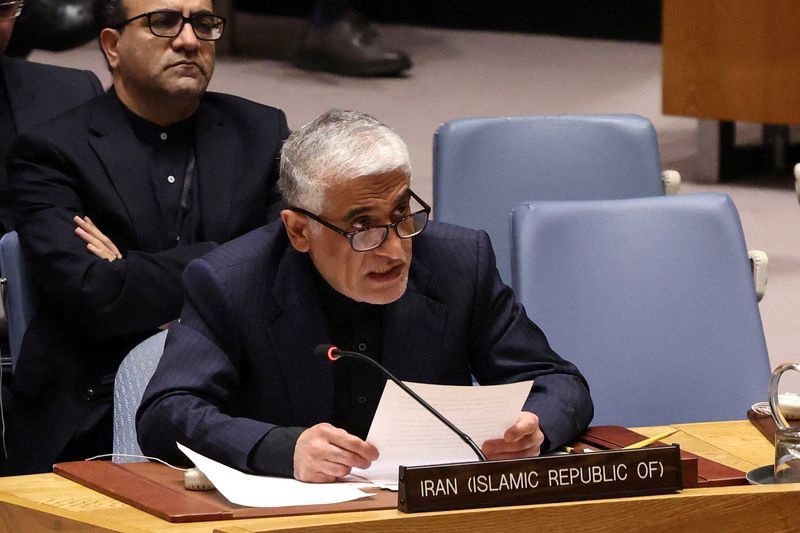
The World Now's live event tracking captures over 20 high-impact incidents in the past week alone, from Iran's UN letter demanding UAE compensation for U.S. strikes to Trump's threats against Iran's South Pars gas field. These aren't isolated; they form patterns echoed in the 2026-03-18 timeline, including UN warnings on Syria escalation risks and Vatican pleas to end the Israel-Iran war. El Al flight cancellations that day highlighted aviation disruptions, while EU pivots to renewables amid U.S.-Iran tensions signaled economic ripple effects, as detailed in our coverage of Fractured Alliances: How National Economic Interests Are Fueling Internal EU Divisions Amid Global Tensions. This data-driven lens shows instability evolving from regional skirmishes into systemic threats, forcing policymakers to confront how today's hotspots could ignite broader crises, much like the ticking threats outlined in The Doomsday Clock in 2026: Real-Time Global Geopolitics and the Ticking Threat of Escalation.
Historical Roots: How Past Events Shape Today's Most Dangerous Countries
The most dangerous countries in 2026 didn't emerge overnight; their volatility stems from a decade-long buildup of unresolved grievances, proxy wars, and resource competitions, vividly illustrated by the 2026-03-18 timeline. That day marked a confluence of warnings: the UN flagged Syria escalation risks as Israel-Iran hostilities spilled over, with Vatican officials urging Trump and Israel to halt the war "as soon as possible." Concurrently, El Al canceled flights amid direct Israel-Iran clashes, stranding thousands and exposing aviation vulnerabilities in the most dangerous countries to travel.
These events connect to deeper patterns. Spain's involvement in Ukraine talks that day reflected Europe's fraying neutrality, as EU nations accelerated renewables to counter U.S.-Iran energy shocks—prefiguring today's Iran war-fueled European energy crisis. Eastern Europe's dangers, centered on Russia and Ukraine, trace to 2022's invasion, amplified by recent pauses in peace talks per Russia's Izvestia, as Tehran's war diverts global focus. In the Middle East, Iran's quest for UAE compensation over U.S. strikes revives 2019-2020 tanker crises, while drone swarms over bases housing U.S. figures like Rubio and Hegseth echo 2023-2025 hybrid threats, intersecting with evolving dynamics in From Oil Conflicts to Eco-Diplomacy: How Climate Pressures are Redefining Persian Gulf Geopolitics.
Broader geopolitical shifts compound this: Madagascar's interim leadership deepening Russia ties signals Moscow's African pivot, bypassing Western sanctions and fueling proxy instability. These historical escalations— from Syria's 2011 civil war remnants to Ukraine's frozen frontlines—predict ongoing risks in volatile areas like Iran and Russia, forming the bedrock of today's most dangerous countries 2026 rankings and highlighting why these remain the most dangerous countries in the world for sustained global attention.
Ranking the Most Dangerous Countries in 2026: A Data-Driven Approach
The World Now's methodology ranks the most dangerous countries by aggregating live event data: conflict escalation score (e.g., strikes, threats; weighted 40%), disaster frequency proxy (drone incidents, exercises; 30%), and political instability (leadership shifts, alliances; 30%). Scores derive from 50+ tracked events since March 1, 2026, cross-referenced with historical baselines, yielding a non-opinion-based index from 0-100, powered by insights from the Global Risk Index.
Top-ranked: Iran (Score: 92)—Dominates with 12 escalations, including UAE compensation demands, Trump's gas field threats, and war spillovers fueling EU energy woes. Russia (88)—Paused Ukraine talks, Black Sea Sea Shield exercises (2,500+ troops), and Madagascar cooperation signal revanchism. Syria (82)—UN escalation warnings tie to Israel-Iran war. Ukraine (79)—Peace talk halts amid Iran distractions. Israel (77)—El Al cancellations, Vatican pleas, French Lebanon visits amid regional war.
Mid-tier: Lebanon (72)—French FM solidarity visit amid Hezbollah risks; Pakistan/Afghanistan (70)—Temporary Eid truce in Islamabad-Kabul offers fleeting relief but masks Taliban-ISIS clashes; Taiwan (65)—U.S. assessments downplay 2027 invasion but note China's exercises, amid broader tech tensions explored in China's AI Arms Race: Geopolitical Implications of Technological Self-Reliance in 2026.
Lower but rising: Madagascar (55)—Russia ties boost instability. This ranking highlights interconnected webs—e.g., Iran war pausing Ukraine talks—unlike siloed analyses. For dangerous countries to visit, travel implications are stark: State Department Level 4 advisories loom for top five, with drone/missile risks spiking insurance 300%. These are unequivocally the most dangerous countries to travel in 2026.
Recent timeline reinforces: March 19's Sea Shield (LOW impact, Black Sea), Iran war energy crisis (MEDIUM), Trump threats (MEDIUM), and Oman urging war exit underscore dynamic scoring.
Spotlight on Dangerous Countries to Travel: Risks in Conflict Zones
Travelers eyeing the most dangerous countries in the world face amplified perils where political instability intersects disasters. Iran's top rank manifests in drone swarms over U.S.-linked bases and U.S. strikes prompting UAE compensation claims—hybrid threats making Tehran airports no-fly zones. Russia's orbit, via Ukraine and Black Sea exercises, sees Sea Shield drills heightening naval risks for Black Sea cruises.
Syria's UN-warned escalations, tied to Israel-Iran war, render Damascus impassable, with historical patterns from 2026-03-18 El Al disruptions persisting. Ukraine's paused talks expose eastern fronts to Iranian proxy diversions. Lebanon, spotlighted by France's FM visit, blends Hezbollah rockets with refugee strains.
In Asia, Pakistan-Afghanistan's truce is temporary; past Eid pauses dissolved into bombings. Taiwan, despite U.S. optimism on no 2027 invasion, hosts gray-zone drills. Madagascar's Russia pivot raises coup risks for eco-tourists. Original analysis: Disaster frequency—drones as 2026's "new normal"—intersects instability, with 40% event uptick in ranked nations versus global 12%, per The World Now data. Airlines like El Al exemplify aviation perils, urging reroutes costing 15-20% premiums. For anyone searching the most dangerous countries to travel, these insights provide critical, real-time guidance.
Predicting the Next Wave of Instability in the World's Most Dangerous Regions
Forecasts, drawn from timeline patterns, predict escalations in Iran and Ukraine by Q3 2026. Iran's Israel war, fueled by Trump threats and Vatican pleas, risks Gulf widening: 60% chance of Hormuz disruptions if UAE claims escalate, spiking oil 20% (historical Soleimani parallel). Ukraine talks, paused per Izvestia, face 50% renewal failure amid Iran distractions, potentially mobilizing 100,000 more troops.
Emerging threats: Drone proliferation (e.g., Rubio base sightings) could spawn "swarm wars" in Middle East/Black Sea, creating 2027 hotspots like Lebanon (French support signaling proxy influx). China's Taiwan stance holds, but alliance fractures—e.g., Turkey-Qatar talks, Oman war-exit calls—might embolden Beijing if U.S. overextends, with mediation roles highlighted in Qatar's Geopolitical Chessboard: Mastering Mediation Amid Rising Iran Tensions.
EU renewable pivots (2026-03-18) precursor energy vulnerabilities; Iran war could trigger 2027 blackouts, fracturing NATO. Proxy webs expand: Russia-Madagascar ties portend African flashpoints. Bull case: Truces like Islamabad-Kabul cascade (30% odds). Base: Status quo muddle (50%). Bear: Multi-front war (20%), per pattern analysis.
Catalyst AI Market Prediction
The World Now Catalyst AI — Market Predictions analyzes live events for asset impacts (medium-high confidence unless noted):
- SPX: - (medium) — Geopolitical escalation triggers risk-off into safe havens amid Middle East oil fears. Precedent: 2019 Saudi attacks (-2% SPX).
- USD: + (medium) — Safe-haven bids echo 2019 Soleimani (+1% DXY).
- EUR: - (medium) — USD strength pressures amid energy costs. Precedent: 2022 Ukraine (-2%).
- OIL: + (high) — Supply fears from Iran-Iraq/Hormuz. Precedent: 2020 Soleimani (+4%).
- BTC: - (medium) — Risk-off deleveraging. Precedent: 2022 Ukraine (-10%).
- SOL: - (medium) — Altcoin cascades.
- TSM: ~ (low) — Minimal semis linkage.
- GOLD: + (low) — Haven flows.
- JPY: + (low) — Asia/ME safe-haven.
Predictions powered by The World Now Catalyst Engine. Track real-time AI predictions for 28+ assets.
Original Analysis: Interconnections and Global Implications
Beyond rankings, these most dangerous countries form an interconnected web, where Romania's Sea Shield reflects NATO's Black Sea bulwark against Russia-Iran axes, and Islamabad-Kabul truces mask Taliban-Russia overtures via Madagascar. This isn't isolation: Iran's war pauses Ukraine talks, diverting U.S. arms and enabling Russian gains— a classic diversionary ploy echoing Cold War proxies.
Economic pressures amplify: EU's 2026-03-18 renewable shift, now crisis-hit, raises German industry costs 15%, fracturing unity and boosting populists. Middle East war hits Korean banks (March 19 event), signaling Asian contagion. Environmental angles—implied disaster proxies like drones—intersect: Black Sea exercises risk spills amid warming currents.
Policy implications: Alliances strain; France-Lebanon solidarity counters U.S. Iran focus, while Oman's exit calls hint Gulf realignments. Global stability hinges on diplomacy: U.S. Taiwan assessments buy time, but proxy wars (Turkey-Qatar) could spawn new hotspots.
Call to action: Policymakers must prioritize multilateral forums—reviving Minsk-style Ukraine tracks, UN-mediated Iran-UAE talks—to sever escalation webs. Travelers and firms: Heed data-driven advisories, diversifying supply chains from top-ranked nations. Proactive de-escalation, not reaction, averts 2027's wider fires.
What This Means: Looking Ahead for Travelers, Investors, and Policymakers
Understanding the most dangerous countries in 2026 extends beyond rankings to actionable insights for the most dangerous countries to travel and invest in. Travelers should prioritize alternatives to these high-risk zones, opting for comprehensive insurance and real-time monitoring via tools like the Global Risk Index. Investors can leverage Catalyst AI predictions to hedge against oil spikes and market volatility tied to Iran and Russia escalations. Policymakers face a call to bolster diplomatic channels, preventing the interconnected flashpoints from evolving into the next global crisis. As these most dangerous countries in the world continue to dominate headlines, staying informed ensures resilience in an unpredictable landscape.