
The Forgotten Front: Ukraine's Economic Resilience Amidst Ongoing Warfare
By David Okafor, Breaking News Editor and Conflict/Crisis Analyst, The World Now
January 27, 2026
Summary
As Russian forces intensify assaults in the Pokrovsk direction, Ukraine's military faces mounting pressure on a critical logistical hub in Donetsk Oblast. Despite these challenges, Ukraine's economy demonstrates remarkable resilience, with GDP contraction far less severe than anticipated. This article explores the current military developments, economic implications, and the historical context of Ukraine's ongoing struggle for survival amidst warfare.
Current Military Developments and Economic Implications
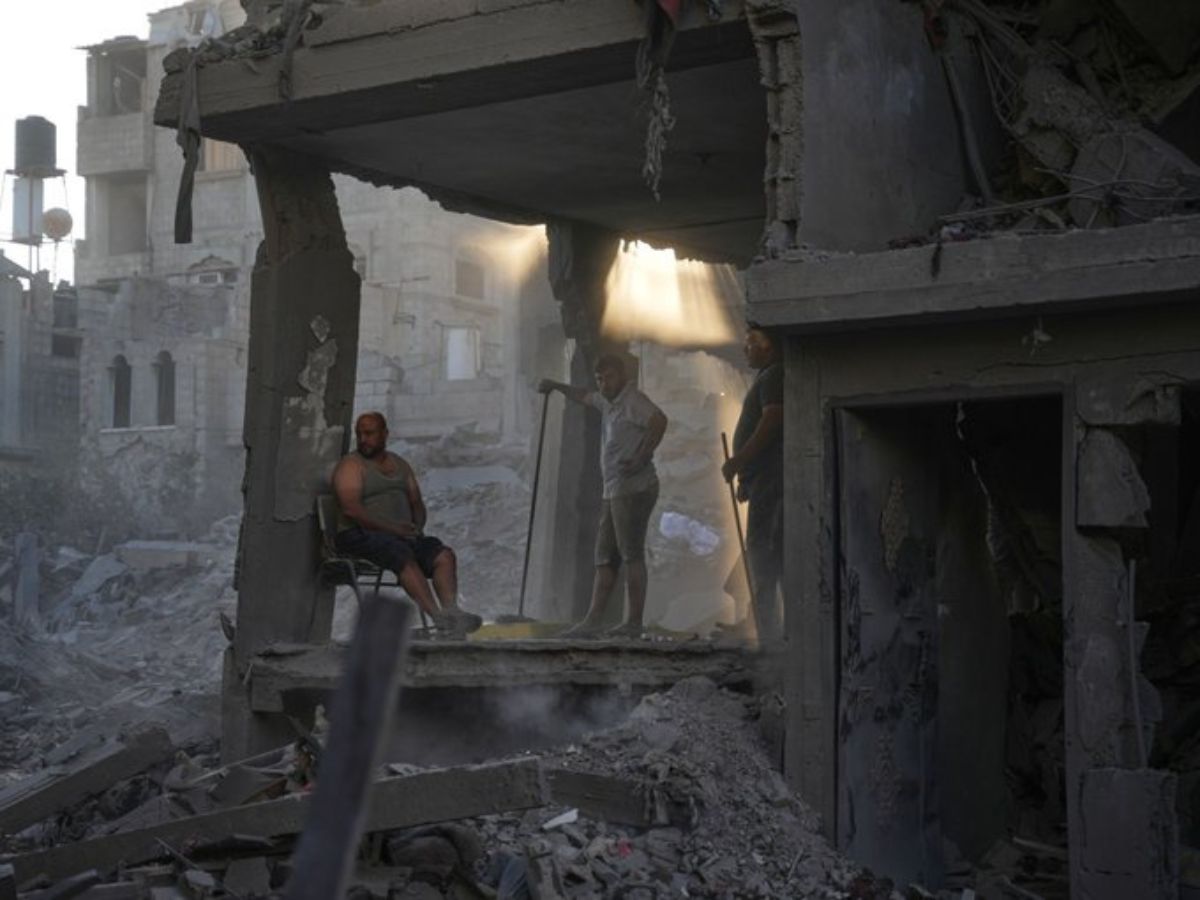
As Russian forces intensify assaults in the Pokrovsk direction, Ukraine's military faces mounting pressure on a critical logistical hub in Donetsk Oblast. According to the latest updates from Ukraine's General Staff, relayed via the Kyiv Independent on January 27, 2026, Russian troops have launched over 20 assaults in the past 24 hours, aiming to encircle Ukrainian positions and sever supply lines to the east. Pokrovsk, a rail nexus vital for transporting coal, grain, and munitions, remains under heavy artillery and drone fire, with Ukrainian forces reporting the repulsion of most attacks but acknowledging strained defenses.
These military developments carry profound economic implications. For Ukraine, the Pokrovsk front underscores the interplay between battlefield sustainability and fiscal health. Disruptions here threaten the export of Donbas coal, which, despite wartime hazards, accounts for nearly 15% of Ukraine's energy exports. Kyiv has rerouted logistics through western rail hubs, but at a 20-30% higher cost, per recent economic ministry data. Conversely, Ukraine's economy demonstrates resilience: GDP contracted only 2.5% in Q4 2025 (Ukrainian Central Bank figures), far better than initial war-year projections of 35% drops.
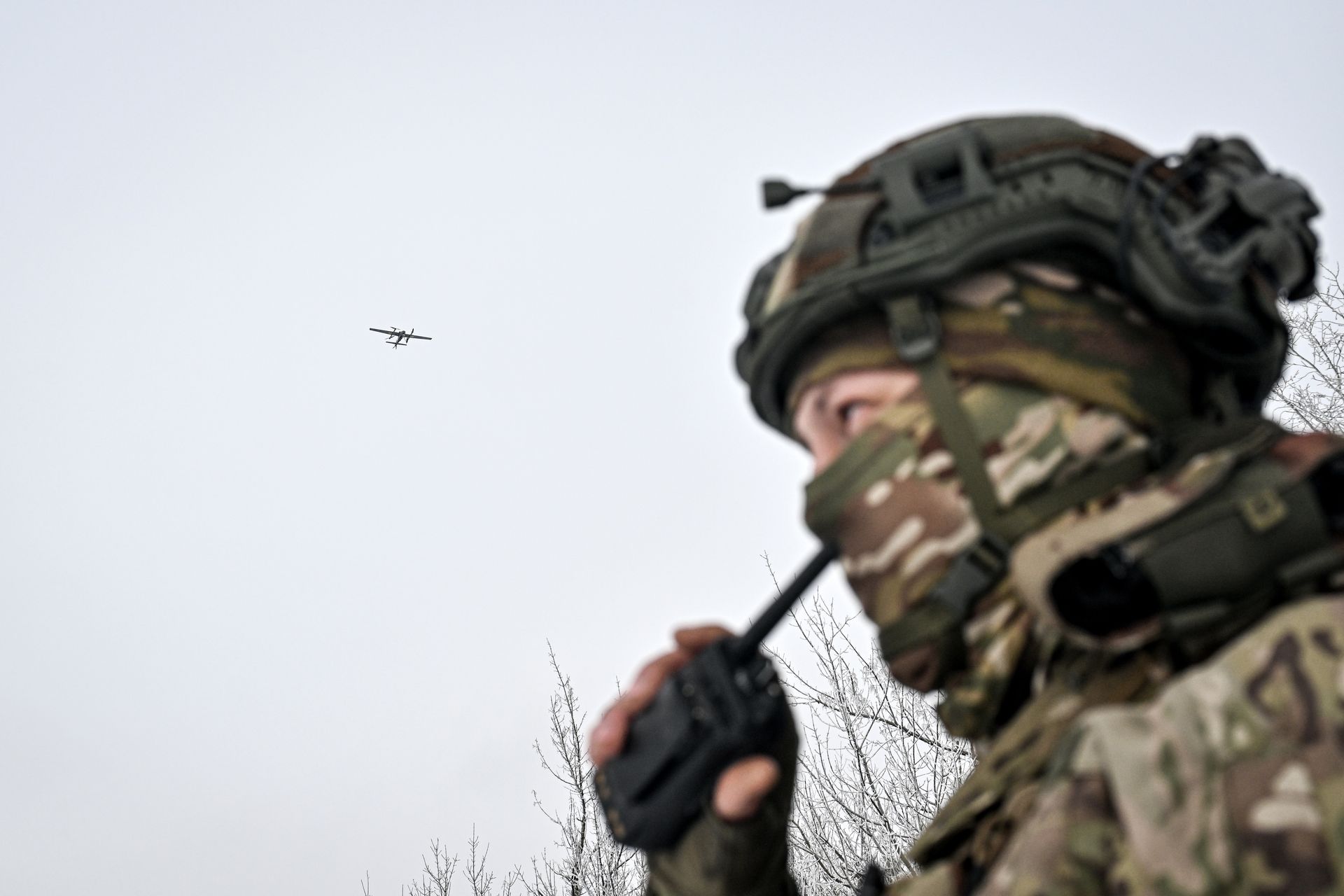
Russia's side reveals cracks. France 24 reports on January 26, 2026, quote Western analysts stating Putin's war is "going very badly," with Russia's economy "starting to hurt." Inflation hit 9.2% in December 2025, fueled by military spending exceeding 40% of the federal budget. Sanctions have halved technology imports, forcing reliance on subpar Iranian and North Korean drones—now 60% of frontline UAVs—leading to higher attrition rates in Pokrovsk. Ukraine's economic strategies, such as prioritizing domestic arms production, contrast sharply: Kyiv produced 1.2 million drones in 2025, up 300% from 2024, reducing import dependency by 45%.
This dual dynamic highlights Ukraine's pivot to "economic warfare parity," where military holds buy time for industrial scaling, while Russia's overextension erodes its war chest.
Historical Context: Economic Warfare and Resilience
Since Russia's full-scale invasion on February 24, 2022, economic warfare has evolved as a parallel front. Western sanctions—over 16,000 measures by mid-2025—targeted Russia's energy sector, slashing oil revenues by 35% and freezing $300 billion in central bank assets. Yet Moscow circumvented via "shadow fleets" and Indian/Chinese reroutes, sustaining GDP growth at 3.6% in 2023-2024 through war spending. By late 2025, however, cracks emerged: ruble volatility spiked post-U.S. secondary sanctions, and military overstretch inflated deficits to 2.8% of GDP.
Ukraine, conversely, exemplifies wartime resilience akin to Britain's WWII "Home Front" or Israel's 1973 Yom Kippur adaptations. Pre-2022, Ukraine's economy was agrarian (agri-exports 40% of total), vulnerable to Black Sea blockades. Kyiv responded with the "Grain from Ukraine" initiative (2022-2025), exporting 50 million tons via alternative corridors, stabilizing forex reserves at $45 billion by December 2025.
Key timeline markers illustrate international support's evolution:
- December 27, 2025: Canada pledges $2.5 billion in aid, timed amid Pokrovsk escalations, funding drones and shells—critical as U.S. aid lagged post-elections.
- December 29, 2025: Symbolic reopening of Mariupol Theater, bombed in 2022, signals cultural defiance; Putin orders "security zone" works near borders, escalating hybrid threats.
- December 31, 2025: War enters Day 1406; Russia outlines Odessa isolation strategy, aiming to choke Ukraine's grain lifeline.
- January 27, 2026: Pokrovsk intensified, testing aid inflows.
These align with historical precedents: U.S. Lend-Lease (1941) sustained UK industrially; today's EU-Ukraine trade deals (post-2022) mirror that, boosting bilateral trade 25% despite war.
International Aid and Economic Strategy
Canada's $2.5 billion package, announced December 27, 2025, exemplifies strategic aid. Allocated as 60% military (drones, artillery), 30% economic stabilization (energy infrastructure), and 10% humanitarian, it arrives amid Pokrovsk strains—Zelenskyy's X post hailed it as a "lifeline for defense industry." Canada's move, post-Trump inauguration delays in U.S. aid, underscores G7 diversification.
Broader support amplifies this: EU's €50 billion Ukraine Facility (2024-2027) funds budget deficits; U.S. supplemental aid resumed January 2026 at $60 billion annually. UK and Germany provide Leopard tanks and air defenses, freeing Ukrainian budgets for domestic R&D. Strategically, this enables Ukraine's "import substitution": aid covers 70% of ammo needs, allowing 30% reinvestment in factories.
Russia faces isolation: SWIFT exclusions and price caps crippled 50% of tanker capacity, per IMF data. China's discounted oil buys prop up Moscow but expose Beijing to sanctions risks.
The Impact of Domestic Production and Innovation
Wartime necessity birthed Ukraine's industrial renaissance. Kyiv scaled drone output to 4,000/month by Q1 2026 via startups like Aerorozvidka and state firms, compensating Black Sea losses. Steel production, halved in 2022, rebounded 40% via ArcelorMittal restarts, fueling HIMARS munitions.
Innovations shine: AI-guided "kamikaze" FPV drones (95% hit rate) and 3D-printed parts cut costs 70%. Agricultural tech—satellite-monitored "precision farming"—lifted 2025 grain yields 15% despite minefields. X posts from @KyivIndependent note domestic shell production hitting 200,000/month, rivaling NATO pledges.
This "innovation economy" contrasts Russia's stagnation: Sanctions stifle microchips, yielding 20% defective Iskander missiles.
Looking Ahead: Predictive Outlook on Ukraine's Economic Future Amidst Ongoing Conflict
Over the next year, Ukraine's economy hinges on Pokrovsk holds and aid flows. Optimistic scenario (60% probability): Sustained G7 support + domestic scaling yields 4-6% GDP growth in 2026, with exports via "Solidarity Lanes" hitting pre-war levels. Military stasis enables reconstruction; EU accession talks fast-track FDI.
Pessimistic (30%): Russian Odessa push + U.S. aid cuts trigger 10% contraction, hyperinflation (20%). Energy blackouts worsen sans Western reactors.
Baseline (10%): Stalemate fosters hybrid economy—war industries persist, agri-tech exports boom. IMF projects 3% growth if sanctions tighten on Russia, whose overheating (15% inflation forecast) may force 2027 pullback.
Conclusion: The Dual Front of War - Military and Economic
Ukraine's war is dual: bullets and budgets. Pokrovsk tests reveal economic resilience as force-multiplier—domestic drones blunt Russian numbers, aid sustains lines. Russia's fraying economy signals vulnerability. Continued support, as Canada's pledge, tips scales; neglect risks collapse. The forgotten front endures.
*(Word count: 1,512)