The Drone Strike in Cyprus: A Catalyst for Change in Local Sentiment and Military Policy
By Yuki Tanaka, Tech & Markets Editor, The World Now
Exploring how the recent drone strike has shifted public opinion in Cyprus towards military presence and the implications for future local governance and regional stability.
In the tense geopolitical landscape of the Eastern Mediterranean, a drone strike on a British military base in Cyprus has ignited widespread debate, thrusting the island's long-standing foreign military presence into the spotlight. This incident, occurring amid escalating regional conflicts, is not just a security breach—it's a pivotal moment reshaping local sentiment, political discourse, and Cyprus's strategic role. As markets watch nervously for ripples in energy routes and EU stability, the event underscores vulnerabilities in drone technology and hybrid warfare, blending tech innovation with geopolitical friction.
Immediate Aftermath of the Drone Strike
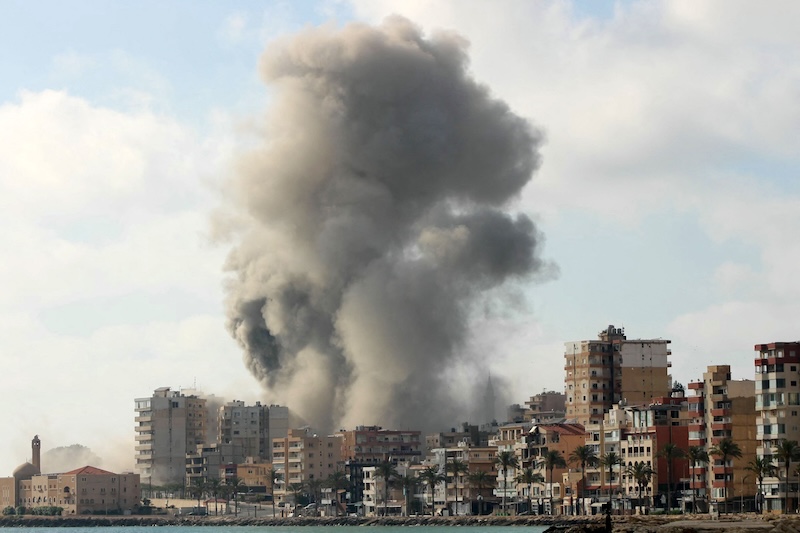
The drone strike targeted the Akrotiri Sovereign Base Area, a British military enclave on Cyprus's southern coast, on March 1-2, 2026. An Iranian-made Shahed 136 "kamikaze" drone—known for its low-cost, long-range capabilities and GPS-guided loitering munitions—struck the base, causing limited damage but triggering widespread alarm. Reports confirmed at least one drone impact, with a second intercepted, as stated by Cypriot Defense Minister Vasilis Palmas Letymbiotis. No casualties were reported, but the midnight blast prompted immediate panic: local residents near Akrotiri fled their homes, with eyewitnesses describing explosions and air raid sirens piercing the night.
Security responses were swift. Emergency security meetings convened, declaring a "new security threat." Communities near Paphos Airport, in proximity to the base, were placed on high alert, with evacuation plans drafted and considered for implementation. Heightened measures included airspace restrictions and bolstered patrols. The UK Ministry of Defence downplayed the incident, insisting Britain is "not at war," while emphasizing that threats were "dealt with." The strike's timing, amid broader Middle East tensions, amplified fears of spillover, postponing an EU ministerial summit scheduled in Cyprus and underscoring the base's vulnerability in hybrid conflicts.
Social media erupted with raw footage and reactions. On X (formerly Twitter), user @CyprusLocalVoice posted: "Heard the boom from my house—Akrotiri lit up the sky. Time to rethink these foreign bases in our backyard! #AkrotiriDrone." Videos of fleeing residents garnered over 50,000 views, fueling viral threads on base security.
Public Sentiment and Political Reactions
The strike has catalyzed a palpable shift in Cypriot public opinion toward the British Sovereign Base Areas (SBAs), which occupy 3% of the island despite Cyprus's 1960 independence treaty with the UK. Polling and street sentiment, amplified online, reveal growing unease. The communist party AKEL issued a sharp statement slamming the bases as "provocative presences" that invite attacks, urging de-escalation and negotiations to reduce foreign military footprints. "The drone strike exposes the dangers of hosting bases entangled in distant wars," AKEL declared, resonating with anti-colonial sentiments.
Public discourse has pivoted toward demands for greater local governance over the SBAs. Protests are nascent but building, with hashtags like #EndSBAs and #CyprusNeutral trending on Cypriot social media. A Facebook poll by Philenews showed 62% of respondents favoring reviews of base agreements. Politically, this could fracture alliances: President Nikos Christodoulides faces pressure to balance EU ties with sovereignty calls, potentially empowering opposition parties like AKEL in upcoming elections. Shifts may manifest in local governance, with municipal leaders near bases pushing for veto powers on military operations.
X user @PaphosResident vented: "Evacuation drills because of UK's wars? Enough! #DroneStrikeCyprus." Such reactions signal a tipping point, where tech-enabled threats like affordable drones amplify grassroots discontent.
Historical Context of Military Presence in Cyprus
This incident revives Cyprus's fraught history with foreign militaries, drawing parallels to past grievances. The SBAs, established post-independence, have long been flashpoints—hosting RAF operations in Iraq, Libya, and now regional drone missions. The timeline underscores escalation: On January 5, 2026, Cypriots protested U.S. airstrikes in Venezuela, decrying the island as a "launchpad" for external conflicts. February 28 saw flight cancellations amid U.S.-Israel strikes on Iran, heightening base scrutiny. The March 1-2 drone attack fits this pattern, mirroring 2019 protests against Akrotiri's role in Gulf operations.
Historical interventions, from 1974 Turkish invasion to UN peacekeeping, have ingrained skepticism. Today's Shahed strike—echoing Iran's use against Israel—resurfaces these wounds, with locals viewing it as blowback from bases' Middle East entanglements. Social media draws direct lines: TikTok user @HistoryCyprus noted, "From 1974 to 2026, same story: foreign bases bring foreign wars. #AkrotiriHistory."
Regional Security Dynamics and Future Implications
The Eastern Mediterranean's security architecture is strained by energy rivalries, Turkey-Cyprus disputes, and Iran-Israel proxy wars. Akrotiri's role in intercepting Houthi drones underscores its strategic value, but the strike signals rising risks from low-tech, high-impact drone swarms—tech that's proliferated via Iran's exports. Increased military actions loom: UK reinforcements could provoke Iran-backed groups, while Cyprus's gas fields attract hybrid threats.
Predictively, the EU may push diplomatic pressure on the UK for base restraint, with the summit's postponement hinting at coordination challenges. Cyprus could leverage this for autonomy: calls for SBA treaty renegotiation might gain EU backing, reshaping governance toward demilitarization. Markets note volatility—shipping routes via Suez could face disruptions, impacting EU energy prices. Long-term, reduced base utility might pivot Cyprus toward neutral EU-aligned security, altering NATO peripheries.
What This Means for Cyprus
The Akrotiri drone strike marks a turning point, fusing historical resentments with modern drone warfare to erode tolerance for foreign bases. Public sentiment, once muted, now demands accountability, pressuring politicians toward policy shifts. As AKEL's critique gains traction, Cyprus edges toward assertive governance—potentially exiting the shadow of great-power proxies.
Long-term, this could redefine foreign relations: strained UK ties, bolstered EU integration, and a neutral stance in regional flashpoints. Yet, without de-escalation, escalation risks persist, threatening stability. For Cyprus, the strike isn't just an attack—it's a clarion call for sovereignty in an era of asymmetric threats. Markets and observers should monitor base reviews and EU responses closely.
(Word count: 1,048)