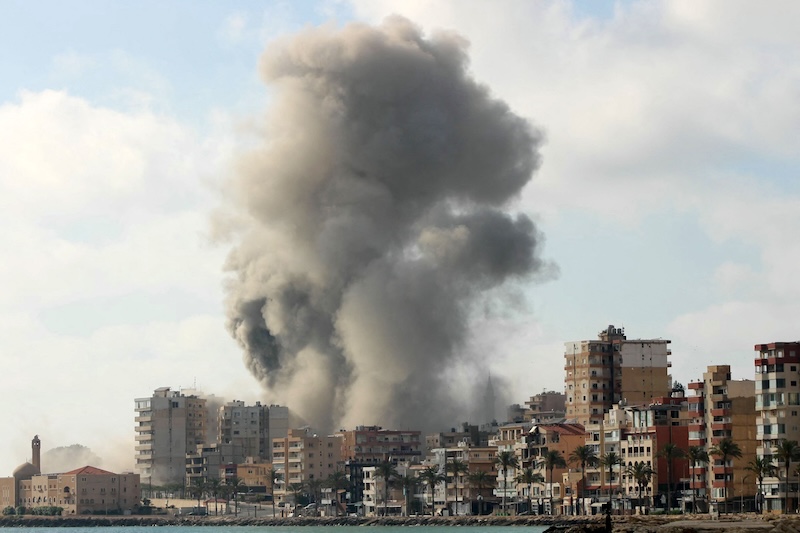
Lebanon Strike Causes Mass Displacement of 114,534 People
The escalation of hostilities in Lebanon as of 27 April 2026 has triggered a major humanitarian crisis, marked by the strike in Lebanon that has forced 114,534 people into collective shelters amid ongoing insecurity.[1] This situation has also caused extensive infrastructure damage, including to critical water facilities, while protection risks for displaced populations continue to rise.[1]
Overview of Hostilities in Lebanon
The current escalation of hostilities in Lebanon, detailed in the latest humanitarian flash update, reflects a sharp intensification of conflict dynamics as of 27 April 2026.[1] Continued insecurity has prompted renewed displacement orders, exacerbating an already strained situation across the country.[1] This overview captures the immediate context of these hostilities, where shelling and other military actions have directly impacted civilian life and essential services.[1] The flash update from the UN Office for the Coordination of Humanitarian Affairs (OCHA) highlights how these events have unfolded rapidly, leading to widespread disruptions that affect both urban and rural areas.[1] In particular, the strike in Lebanon has contributed to a cycle of insecurity that prevents safe returns for many residents, underscoring the volatile security environment.[1] Humanitarian responders note that this escalation builds on prior tensions, with active combat zones expanding and forcing populations into precarious living conditions.[1] The document emphasizes the need for immediate attention to these hostilities, as they not only displace thousands but also hinder access to basic necessities, setting the stage for longer-term challenges in stabilization efforts.[1]
Displacement and Shelter Conditions
Displacement figures stand at a critical level, with 114,534 people remaining in 616 collective shelters due to persistent insecurity stemming from the recent strike in Lebanon.[1] These shelters, spread across various regions, serve as temporary havens for families fleeing frontline areas, but the high occupancy rates strain resources and amplify vulnerabilities.[1] The flash update reports that renewed displacement orders have kept these numbers elevated, preventing any significant repatriation as of 27 April 2026.[1] Collective shelters vary in capacity and quality, yet all are overwhelmed by the influx, leading to overcrowding that impacts health, sanitation, and privacy.[1] Humanitarian agencies coordinating these efforts face logistical hurdles in distributing aid evenly, as insecurity limits access to some sites.[1] This mass displacement, directly tied to the hostilities, illustrates the human cost of the conflict, where entire communities have been uprooted multiple times in recent months.[1] The reliance on these 616 facilities highlights the scale of the crisis, with each shelter averaging hundreds of individuals, many of whom include vulnerable groups such as children, elderly, and those with medical needs.[1]
Infrastructure and Humanitarian Impacts
Essential infrastructure has suffered severe blows from the ongoing hostilities, notably with three water-pumping stations in the Hasbaya district rendered inoperable due to shelling.[1] This damage disrupts water supply for thousands in an area already grappling with conflict-related shortages, compounding daily hardships for residents and displaced persons alike.[1] The inoperability of these stations means prolonged interruptions in clean water access, raising concerns over public health risks like dehydration and waterborne diseases.[1] Beyond water infrastructure, the broader humanitarian impacts include escalating protection risks for displaced individuals, who now face housing discrimination when attempting to find alternatives to collective shelters.[1] Such discrimination manifests in landlords or communities refusing entry based on perceived affiliations or origins, further isolating vulnerable populations.[1] These developments, as outlined in the flash update, paint a picture of a multifaceted crisis where physical damage intersects with social barriers, hindering recovery efforts.[1] The shelling's precision on critical facilities like the Hasbaya stations suggests targeted impacts that could take weeks or months to repair, even under ideal conditions.[1]
International Casualties from the Attack
Indonesia has taken steps to honor a soldier who fell in connection with a Lebanon attack, drawing attention to the international dimensions of the hostilities.[2] TNI Commander Agus Subiyanto paid respects to the body of Second Corporal (Posthumous) Rico Pramudia at Soekarno-Hatta, recognizing his sacrifice amid the conflict.[2] This ceremony underscores the global reach of the Lebanon strike, where foreign personnel deployed in the region have become casualties.[2] The posthumous promotion and official tributes highlight the soldier's service, likely in a peacekeeping or support capacity, and serve as a somber reminder of the risks faced by international actors.[2] Such incidents amplify calls for de-escalation, as they involve not just local populations but also multinational forces contributing to stability efforts.[2] The honoring event in Indonesia reflects national mourning and pride, while connecting back to the broader violence in Lebanon that claimed this life.[2]
Ongoing Assessments and Needs
A multisectoral needs assessment, known as ERNA, was launched on 27 April 2026 to evaluate requirements both inside and outside collective shelters.[1] This initiative aims to provide a comprehensive snapshot of gaps in shelter, food, health, and protection services amid the displacement crisis.[1] By extending beyond shelters, the assessment captures the needs of those in informal hosting arrangements or attempting self-settlement, areas often overlooked in rapid response phases.[1] Humanitarian teams are prioritizing data collection on protection risks, including the housing discrimination noted earlier, to inform targeted interventions.[1] The timing of this launch, coinciding with the flash update, signals a proactive shift toward evidence-based aid distribution in response to the strike in Lebanon and its aftermath.[1] Early findings are expected to guide resource allocation, potentially scaling up water rehabilitation in areas like Hasbaya and bolstering shelter capacities.[1] This assessment represents a critical tool for responders, ensuring that aid addresses the most pressing multisectoral needs as insecurity persists.[1]
What to watch next: Monitor the outcomes of the multisectoral needs assessment launched on 27 April 2026, alongside repairs to the damaged water-pumping stations in Hasbaya and any updates on protection risks for the 114,534 displaced in collective shelters.[1]