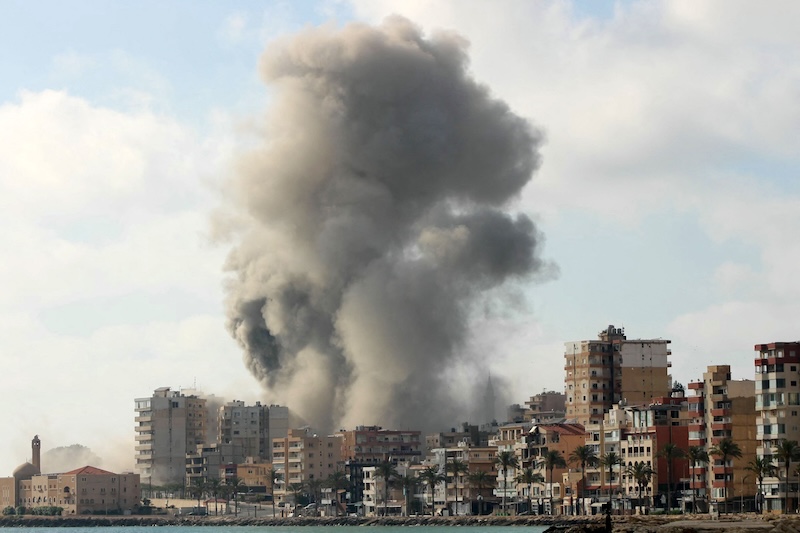
Strike in Lebanon Displaces 114,534 People Amid Escalating Hostilities
The escalation of hostilities in Lebanon as of 27 April 2026 has triggered significant displacement, with 114,534 people now sheltering in collective facilities amid a recent strike in Lebanon that has compounded the humanitarian crisis. Critical infrastructure, including water-pumping stations, has sustained damage from shelling, exacerbating vulnerabilities for affected communities.[1]
Overview of Hostilities in Lebanon
The current escalation of hostilities in Lebanon reflects a pattern of continued insecurity that has prompted renewed displacement orders, forcing thousands from their homes.[1] As detailed in the latest humanitarian flash update, this surge in conflict activities has directly led to the displacement of 114,534 individuals who are now residing in 616 collective shelters across the country.[1] This situation underscores the immediate impacts of the hostilities, where insecurity persists and disrupts daily life, compelling rapid movements of populations seeking safety.
The hostilities have not only renewed displacement but have also intensified the challenges faced by residents in border areas and beyond. Reports indicate that shelling associated with these events has targeted key areas, contributing to the broader atmosphere of instability.[1] This overview highlights how the escalation, as of 27 April 2026, has created a ripple effect, straining resources and amplifying risks for civilians caught in the crossfire. The focus on renewed orders for displacement points to a deteriorating security environment, where families are repeatedly uprooted, making long-term stability elusive.[1]
In the context of this strike in Lebanon, the hostilities represent a critical juncture, with ongoing operations leading to widespread disruption. Humanitarian agencies have emphasized the need for vigilance, as the combination of insecurity and direct attacks continues to shape the crisis response.[1] This summary captures the reported immediacy of the impacts, where every incident adds to the cumulative toll on Lebanon's fragile infrastructure and population.
Displacement and Shelter Conditions
Displacement figures stand at 114,534 people remaining in 616 collective shelters, a direct outcome of the escalation of hostilities and associated strike in Lebanon.[1] These shelters have become the primary refuge for those displaced by renewed orders, highlighting the scale of the population movements triggered by the conflict.[1] The concentration of such a large number in limited facilities points to overcrowding and resource strains, as families rely on these sites for basic protection amid ongoing threats.
Conditions in these collective shelters are under severe pressure, with the influx of displaced persons necessitating coordinated support efforts.[1] The persistence of 114,534 individuals in these 616 locations as of 27 April 2026 illustrates the protracted nature of the displacement, where initial evacuations have turned into extended stays.[1] Humanitarian updates stress that this shelter situation is tied to the broader hostilities, where insecurity prevents returns to homes, leaving communities dependent on temporary arrangements that may not meet long-term needs.
The shelter landscape reveals deeper challenges, as the high occupancy rates in these 616 sites amplify vulnerabilities for women, children, and the elderly among the displaced.[1] Reports from the ground indicate that while these facilities provide immediate cover, the sheer volume—114,534 people—strains capacities for food, water, and sanitation, potentially leading to secondary health risks.[1] This section details how the displacement, rooted in the recent escalation, has transformed collective shelters into lifelines, yet ones fraught with limitations in the face of sustained conflict.
Infrastructure Damage from Attacks
Three water-pumping stations in the Hasbaya district have been damaged and rendered inoperable due to shelling linked to the strike in Lebanon.[1] This specific infrastructure loss disrupts essential water supply for local communities, compounding the hardships faced by residents already grappling with displacement and insecurity.[1] The Hasbaya district, a focal point in the hostilities, now contends with critical service interruptions, as these stations are vital for daily needs and public health.
The damage to these three stations exemplifies the broader toll on critical infrastructure amid the escalation.[1] Shelling has directly impacted operability, leaving populations without reliable access to clean water, which heightens risks of dehydration, disease outbreaks, and further displacement.[1] In a region where water infrastructure is already under strain, this incident underscores the cascading effects of attacks, where immediate repairs are complicated by ongoing hostilities and access constraints.
Detailed assessments confirm that the inoperability stems from shelling impacts, affecting not just Hasbaya but potentially surrounding areas dependent on these facilities.[1] The loss of functionality in these water-pumping stations represents a strategic vulnerability, as water access is foundational to survival and recovery efforts.[1] Humanitarian reports frame this damage as part of the immediate impacts, calling for urgent interventions to restore services and mitigate long-term consequences for the 114,534 displaced and others in affected zones.[1]
Humanitarian Needs and Assessments
A multisectoral needs assessment, known as ERNA, was launched on 27 April inside and outside collective shelters to address the pressing requirements of displaced populations.[1] This initiative responds to the escalating humanitarian demands amid the hostilities, evaluating gaps in shelter, water, protection, and other sectors.[1] By extending to both shelter interiors and external sites, the assessment aims to capture a comprehensive picture of needs affecting the 114,534 individuals impacted.
Protection risks for displaced persons are escalating, with issues such as housing discrimination emerging as significant concerns.[1] Displaced families face barriers to finding alternative accommodations, exacerbating their vulnerability in a context of continued insecurity.[1] The ERNA launch signifies a proactive step to quantify these risks, informing targeted aid distribution and advocacy for safer housing options.
The rising protection challenges, including discrimination in housing, compound the displacement crisis, where renewed orders force relocations without guaranteed support.[1] Humanitarian efforts through this assessment focus on multisectoral coverage, addressing intertwined needs like water access—hit hard by the Hasbaya damages—and shelter conditions.[1] As of 27 April 2026, this work is crucial for tailoring responses to the specific escalations, ensuring that protection measures keep pace with the hostilities' fallout.[1]
International Repercussions
Indonesia is honoring Second Corporal Rico Pramudia, a fallen soldier, following an attack in Lebanon.[2] TNI Commander Agus Subiyanto paid respects to the body of Second Corporal (Posthumous) Rico Pramudia at Soekarno-Hatta, marking a solemn tribute to the service member's sacrifice.[2] This incident highlights the international dimensions of the Lebanon hostilities, where foreign personnel have become casualties.
The honoring of Pramudia reflects the broader repercussions for nations with involvement in the region, drawing attention to the human cost beyond local borders.[2] Indonesia's military leadership's participation in the ceremony underscores the gravity of the attack in Lebanon, prompting national mourning and recognition.[2] Such events signal potential shifts in international engagement, as countries assess risks to their personnel amid escalating conflicts.
This repercussion extends the narrative of the strike in Lebanon, illustrating how hostilities reverberate globally, affecting deployed forces and prompting official commemorations.[2]
What to watch next: Monitor the outcomes of the multisectoral needs assessment launched on 27 April, alongside any progress on restoring the three damaged water-pumping stations in Hasbaya, as these will shape the response to ongoing displacement and protection risks.[1]