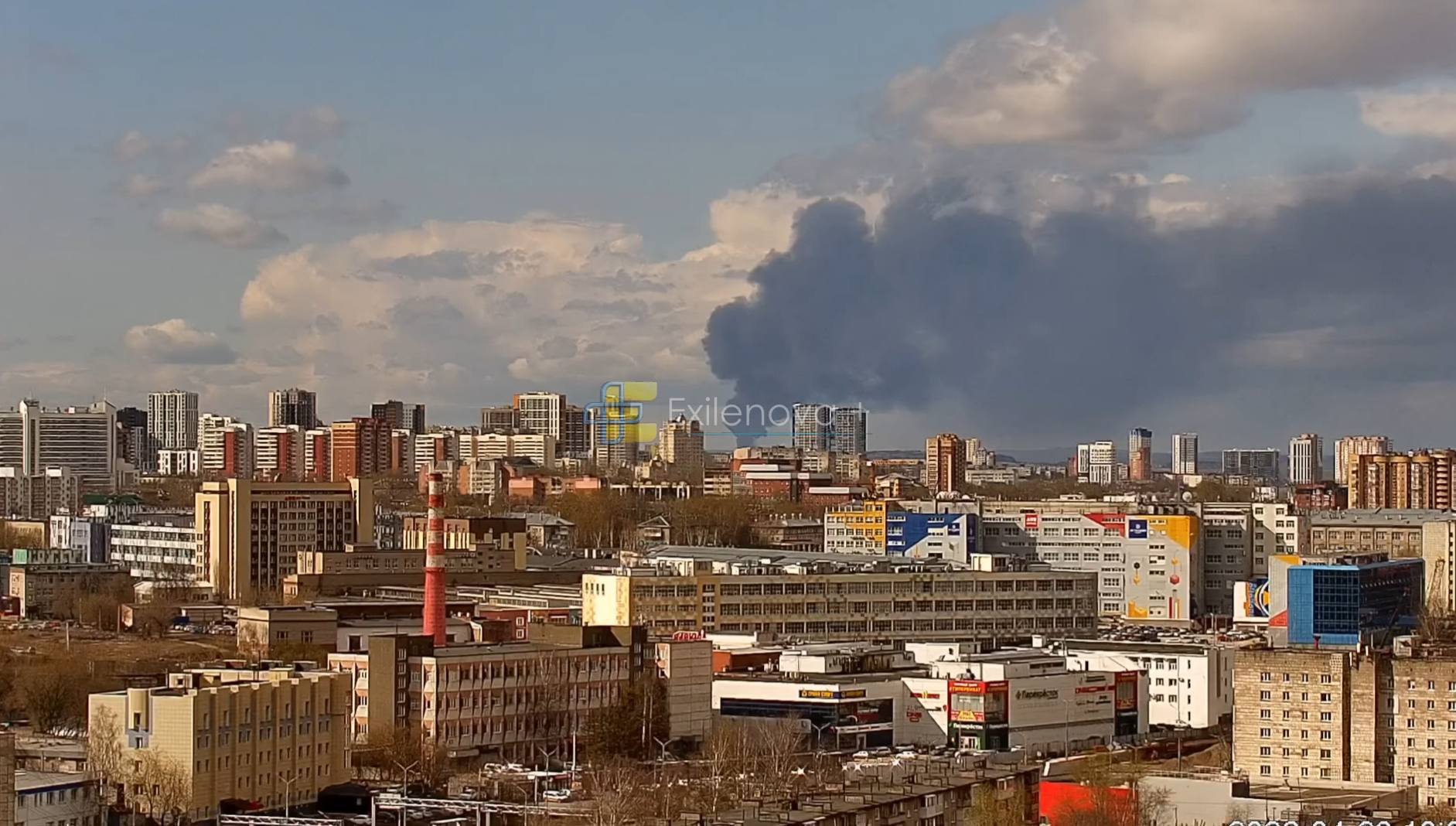

Strike in Russia: Ukrainian Drones Target Oil Facilities in Perm and Orsk
Ukrainian drones have struck Russian oil facilities in Perm and Orsk, following previous attacks on Tuapse.[1] This strike in Russia marks a continuation of Ukraine's drone operations against Russian targets, amid escalating exchanges of attacks on energy infrastructure.[1][2] Russian forces have targeted energy infrastructure in six Ukrainian oblasts, resulting in power outages as reported on 29 April.[2] Separately, a Russian attack in Odesa Oblast damaged a hospital and residential buildings, caused a fire in a nature reserve, and injured two people.[3] These events highlight the intensifying focus on critical facilities in the ongoing conflict.
Overview of Ukrainian Strikes on Russian Targets
The recent Ukrainian drone strikes on Russian oil facilities represent a targeted escalation in operations against Russia's energy sector. According to reports, Ukraine's drones have hit oil facilities in Perm and Orsk, building directly on prior attacks in Tuapse.[1] This pattern underscores a strategic emphasis on disrupting Russian oil infrastructure through long-range drone capabilities. The strikes in Perm and Orsk are described as follow-up actions, indicating a sustained campaign rather than isolated incidents.[1]
Such operations fit into the broader scope of Ukraine's drone warfare tactics, which have repeatedly focused on high-value economic targets like refineries and storage sites. The Perm and Orsk facilities, key components of Russia's oil processing network, were specifically selected, suggesting precise intelligence and execution.[1] While details on the extent of damage remain limited in initial reports, the choice of these locations amplifies the impact on Russia's energy export and domestic supply chains. This overview captures the main drone strikes as part of Ukraine's ongoing efforts to counter Russian advances by striking deep into enemy territory.[1]
The timing of these strikes aligns with heightened tensions, as Ukraine responds to Russian pressure on its own infrastructure. By targeting oil facilities, Ukraine aims to impose economic costs, mirroring the vulnerabilities exposed in Russia's energy-dependent economy. Reports confirm that these actions follow the Tuapse incidents, establishing a sequence of drone operations that have tested Russian air defenses across multiple regions.[1] This summary emphasizes the proactive nature of Ukraine's strikes, positioning them as a core element of its military strategy.
Details of the Affected Russian Locations
Perm and Orsk, both situated in Russia's expansive interior, emerged as focal points in the latest Ukrainian drone incursions. The oil facilities in these cities were struck, with Perm known for its significant refining capacity and Orsk hosting critical processing infrastructure.[1] These locations are not peripheral; they play vital roles in Russia's oil production and distribution, making them high-priority targets for disruption.
The strikes followed previous operations against Tuapse, a Black Sea port area with its own oil terminals, illustrating Ukraine's ability to project drone strikes over vast distances.[1] In Perm, a major industrial hub in the Ural Mountains region, the oil facilities' compromise could affect regional fuel supplies and broader logistics. Orsk, located in the Orenburg Oblast near the Kazakh border, similarly supports Russia's southern oil corridors, where strikes could ripple through export routes.[1]
Contextually, these sites are defended by layered air defenses, yet the successful penetration highlights advancements in Ukraine's drone technology and evasion tactics. The repetition in reports of "Russian oil facilities in Perm and Orsk struck" underscores the confirmed nature of the hits, even as Russian authorities have not detailed casualties or precise damage assessments.[1] This strike in Russia extends the conflict's geography, pulling in far-flung regions previously less exposed to direct Ukrainian strikes. The focus on oil underscores the economic warfare dimension, where each facility represents potential output losses measured in thousands of barrels per day.
Russian Military Actions in Ukraine
Russian forces conducted strikes on energy infrastructure across six Ukrainian oblasts, leading to widespread power outages reported as of the morning of 29 April.[2] These attacks involved drone and artillery barrages specifically aimed at energy facilities, crippling electricity supply in multiple regions.[2] The scale of the operation indicates a coordinated effort to degrade Ukraine's power grid, a tactic employed repeatedly to impact civilian life and military logistics.
Power outages affected six Ukrainian regions following these strikes, highlighting the vulnerability of the energy sector to sustained bombardment.[2] Russian drone and artillery strikes targeted critical nodes in the power distribution network, from generation plants to transmission lines. This action comes in the context of ongoing hostilities, where control over energy resources serves as a leverage point.[2]
The 29 April timeline places these strikes in immediate sequence with other reported incidents, suggesting a retaliatory posture. By hitting energy infrastructure in six oblasts, Russia aimed to impose broad disruptions, with outages persisting into the morning hours.[2] This pattern of attacks on power facilities has been a hallmark of Russian strategy, seeking to erode resilience in Ukrainian cities and frontline areas. Reports from Ukrainska Pravda detail the immediate aftermath, with regions grappling with blackouts that compound daily challenges.[2]
Impact on Civilian and Environmental Sites
A Russian attack on southern Odesa Oblast on 29 April inflicted significant damage on civilian and environmental sites. The strikes damaged a hospital and residential buildings, directly endangering lives and essential services.[3] Additionally, a fire broke out in a nature reserve, posing risks to local ecosystems amid the assault.[3] Two people were injured in the large-scale attack, which featured multiple munitions impacting populated and protected areas.[3]
The hospital damage disrupts medical care in a region already strained by conflict, while residential buildings' destruction displaces families and heightens humanitarian needs.[3] Photos accompanying reports illustrate the extent of structural harm and the fire in the nature reserve, where flames threatened biodiversity hotspots.[3] This environmental impact adds a layer of long-term consequences, as reserves serve as critical habitats.
Injuries to two individuals underscore the human toll, with the attack's scale amplifying risks to non-combatants.[3] Odesa Oblast, a southern bastion, has faced repeated incursions, but this event stands out for its multi-site devastation. The combination of civilian infrastructure hits and ecological damage paints a picture of indiscriminate effects, straining local response capacities.[3]
Broader Context of the Strikes
The Ukrainian strikes on Perm and Orsk oil facilities follow Tuapse attacks, forming a chain of drone operations against Russian targets.[1] Concurrently, Russian responses targeted energy infrastructure in six Ukrainian oblasts on 29 April, causing power outages.[2] In Odesa Oblast, the same day saw damage to a hospital, residential areas, a nature reserve fire, and two injuries.[3]
This interplay reveals a tit-for-tat dynamic, with energy sectors as primary battlegrounds.[1][2] Ukraine's deep strikes counter Russian pressure on its grid, while Odesa highlights civilian vulnerabilities.[3] The 29 April clustering suggests intensified tempo, linking economic targets in Russia to infrastructure retaliation in Ukraine.[1][2][3]
Ongoing drone operations by Ukraine persist amid these exchanges, as do Russian barrages on power facilities.[1][2] The sequence—from Tuapse to Perm/Orsk, paralleled by six-oblast strikes and Odesa—frames a conflict where energy dominance dictates momentum.[1][2][3]
What to watch next: Monitor developments in power outages across six Ukrainian oblasts following 29 April strikes[2], potential further Ukrainian drone follow-ups to Perm, Orsk, and Tuapse[1], and response to Odesa Oblast's civilian and environmental damage[3].