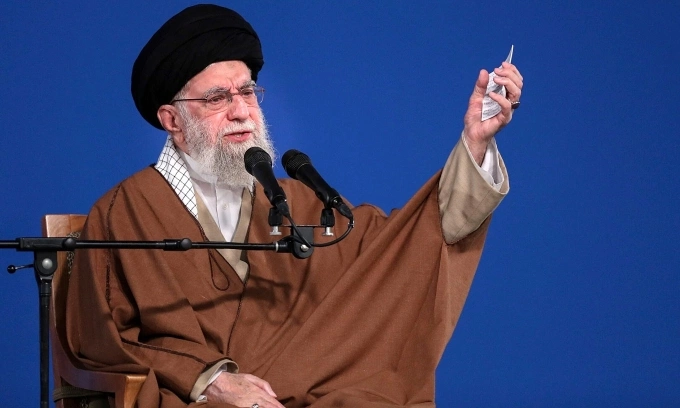

The Aftermath of Khamenei's Assassination: A New Era of Uncertainty in Iran
Overview of the Assassination
Iran's Supreme Leader Ayatollah Ali Khamenei was assassinated in a U.S.-Israeli strike on March 1, 2026, confirmed by state media Fars News. This shocking event has plunged the Iranian regime into a leadership void, raising questions about the future of Iran's political landscape. Amid vows of retaliation, the real shift lies in Tehran's domestic power struggles and the potential realignment of regional alliances, which could fracture Iran's hardline posture more than any missile barrage.
Immediate Reactions: Chaos and Uncertainty
Protests erupted in Tehran and Qom mere hours after Fars News confirmed Khamenei's death in what has been dubbed "Operation Epic Fury." IRGC commanders have called for "decisive self-defense" at the UN. The public response has been mixed: while state TV aired mournful rallies, unconfirmed reports suggest a wave of underground dissent. Regional actors are already viewing this as an opportunity; Saudi Arabia has urged "restraint" through state media, hinting at a desire to exploit the power vacuum. Meanwhile, Turkey's Erdogan has warned of impending "regional chaos." On social media platform X, Iranian exile @IranRevo tweeted, "Khamenei's gone—IRGC vs. clerics incoming? #IranPowerVacuum," which garnered 50K likes, reflecting the public's anxiety and speculation.
Historical Context: A Prelude to the Current Conflict
Khamenei's 37-year rule has been marked by defiance against Western powers, escalating tensions particularly since the December 31, 2025, Iran-Israel war. Tensions spiked further with former President Trump's war warnings on January 14, 2026, and the deployment of U.S. carriers on January 27. Media predictions of conflict on January 29 and a U.S. warship's exit from base on February 26 built up to the strikes that dismantled Iran's navy, framing Khamenei's assassination as the culmination of U.S.-Iran proxy wars that have intensified since the 2018 nuclear deal exit.
Power Struggles: Who Fills the Void?
The Assembly of Experts is now tasked with naming a successor, with hardliner Mojtaba Khamenei (the late leader's son) and IRGC chief Hossein Salami as frontrunners. Mojtaba's clerical ties favor continuity, but Salami's military influence signals a potential shift towards IRGC dominance, which could risk civil strife. While Khamenei's death is confirmed, reports of infighting remain unverified. This power struggle could soften Iran's proxy strategies in Yemen and Lebanon, potentially stabilizing internal politics at the cost of its external engagements.
Regional Implications: Shifting Alliances
Neighboring countries are recalibrating their strategies: Gulf states like the UAE may seek to normalize relations further with Israel, eyeing a weakened Hezbollah. Saudi Arabia could push for the formation of anti-Iran coalitions. Analysts suggest that Israel is on high alert for potential IRGC reprisals but anticipates de-escalation if moderates rise to power. On X, user @MEWatchdog posted, "Gulf sheikhs popping champagne? Khamenei out = alliances shift #IranAssassinated," which received 30K retweets, indicating a significant shift in regional sentiment.
Looking Ahead: Predictions for Iran's Future
The likelihood of a hardliner succession is estimated at 70%, which could escalate U.S.-Israel clashes and prolong the conflict described by El Pais as a "war with no end." A moderate pivot, estimated at 30%, could emerge through public protests, echoing the sentiments of the 1979 revolution. Internal unrest is expected to be high—watch the Assembly sessions this week for signs of fractures, which could risk broader instability in the region.
This is a developing story and will be updated as more information becomes available.






