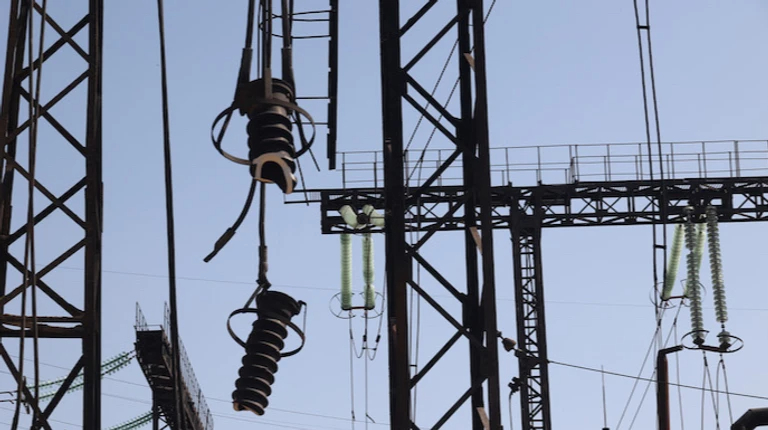

Strike Russia: Ukrainian drones target oil facilities in Perm and Orsk
In a significant escalation of the conflict, Ukrainian drones have struck Russian oil facilities in the cities of Perm and Orsk, continuing a pattern of operations that follows previous attacks on Tuapse.[1] This strike Russia development underscores the ongoing drone campaigns targeting Russian energy assets, as part of broader military exchanges reported in recent days.
Overview of Strikes on Russian Targets
The recent Ukrainian drone strikes on Russian oil facilities in Perm and Orsk represent a direct follow-up to earlier attacks on Tuapse, highlighting a sustained effort in Ukraine's aerial operations against Russian energy infrastructure.[1] These strikes, as reported by the Kyiv Independent, emphasize the reach and precision of Ukrainian unmanned aerial vehicles deep into Russian territory. Perm, located in the Ural Mountains region, and Orsk, situated in the Orenburg Oblast near the Kazakh border, host critical oil processing and storage sites that are vital to Russia's energy export capabilities. The fact that these facilities were targeted sequentially after Tuapse—a Black Sea port refinery previously hit—illustrates a strategic focus on disrupting Russia's oil production and refining capacity.[1]
Details from the reporting indicate that the drones successfully impacted the specified oil facilities, though immediate assessments of damage or operational disruptions were not detailed in initial accounts.[1] This operation fits into the broader context of Ukraine's drone warfare tactics, which have increasingly challenged Russian defenses by striking high-value economic targets. The repetition in coverage—"Russian oil facilities in Perm and Orsk struck as Ukraine's drones follow up Tuapse attacks"—reinforces the connectivity of these events, positioning them as part of a coordinated campaign rather than isolated incidents.[1] Such actions not only aim to impair Russia's fuel supply chains but also signal Ukraine's capability to project power asymmetrically, compensating for conventional military disparities.
Analysts observing these patterns note that the selection of Perm and Orsk expands the geographical scope of Ukrainian strikes, moving from southern coastal targets like Tuapse to inland industrial hubs.[1] This evolution could pressure Russian logistics, as oil facilities in these areas contribute to domestic refining and potentially military fuel distribution. While specific casualty figures or fire outbreaks at these sites were not mentioned, the strikes' confirmation underscores their occurrence amid heightened aerial activity on both sides of the conflict.[1] In the strike Russia context, these drone operations demonstrate Ukraine's growing reliance on long-range unmanned systems to counter Russian advances, maintaining pressure on economic pillars that fund Moscow's war efforts.
Russian Military Actions in Ukraine
Russian forces have conducted strikes on energy infrastructure across six Ukrainian oblasts, leading to widespread power outages reported as of the morning of 29 April.[2] According to Ukrainska Pravda, these attacks involved drone and artillery barrages specifically targeting energy facilities, disrupting electricity supply in multiple regions.[2] The six affected oblasts—though not individually named in the immediate reporting—faced immediate consequences, with outages persisting into the morning hours following the overnight assaults.[2]
This wave of strikes exemplifies Russia's strategy of targeting Ukraine's power grid to induce civilian hardships and hamper military mobility during spring operations.[2] Power outages in six regions signify a broad geographical impact, potentially affecting urban centers, rural areas, and critical infrastructure like hospitals and water systems dependent on stable electricity.[2] The use of both drones and artillery in these attacks indicates a multi-vector approach, combining precision munitions with massed fire to overwhelm Ukrainian air defenses and repair crews.[2]
The timing, aligned with 29 April reports, coincides with seasonal vulnerabilities, as prolonged blackouts could exacerbate challenges in heating, transportation, and communication amid ongoing hostilities.[2] Russian military actions of this nature have been recurrent, but the scale hitting six oblasts marks a notable intensification, aiming to degrade Ukraine's energy resilience ahead of potential summer offensives.[2] Immediate effects included disrupted daily life for residents, with restoration efforts likely complicated by repeated threats.[2] This pattern of infrastructure targeting mirrors historical tactics in the conflict, where energy sectors bear the brunt of attrition warfare, forcing Ukraine to divert resources from frontlines to civilian sustainment.[2]
Specific Incident in Odesa Oblast
On 29 April, Russian forces launched a large-scale attack on southern Odesa Oblast, resulting in damage to a hospital, residential buildings, and a nature reserve where a fire broke out.[3] Ukrainska Pravda detailed the incident, noting injuries to two people amid the destruction.[3] The assault's scope—encompassing civilian medical facilities, housing, and protected natural areas—highlights the indiscriminate impact on non-military sites in the region.[3]
Photographic evidence accompanying reports showed the extent of the devastation, with the hospital sustaining structural damage that could impair emergency services in an already strained war zone.[3] Residential buildings, home to local civilians, were also hit, underscoring the proximity of conflict to everyday life in Odesa Oblast.[3] Most strikingly, the attack ignited a blaze in a nature reserve, an environmental site now compromised by fire, potentially leading to long-term ecological harm in southern Ukraine's biodiversity hotspots.[3]
The two injuries reported add a human dimension to the event, though specifics on their conditions were not elaborated.[3] This strike in Odesa Oblast fits into Russia's southern axis operations, where missile and drone campaigns frequently target Black Sea coastal areas to disrupt Ukrainian logistics and morale.[3] The combination of hospital damage, residential impacts, and environmental fire paints a picture of multifaceted civilian tolls, complicating recovery efforts in a region vital for grain exports and regional stability.[3] Response measures likely involved local firefighting and medical teams navigating ongoing threats, with the nature reserve fire posing risks of spread to adjacent areas.[3]
Context of Recent Developments
The Ukrainian drone strikes on Perm and Orsk oil facilities, following Tuapse, occur against a backdrop of reciprocal escalations, including Russian attacks on six Ukrainian oblasts' energy infrastructure and the Odesa Oblast incident.[1][2][3] As of 29 April, these events form a sequence of tit-for-tat operations: Ukraine's strike Russia drone campaign targets economic assets deep inside Russia, while Russian forces retaliate by hitting Ukrainian power grids and civilian sites.[1][2][3]
This interplay reveals a conflict dynamic where energy sectors serve as proxy battlegrounds. Ukrainian operations, as per Kyiv Independent, extend reach to Perm and Orsk, signaling advanced drone capabilities post-Tuapse.[1] Concurrently, Russian strikes on six oblasts cause outages, per Ukrainska Pravda, directly countering by eroding Ukraine's infrastructure.[2] The Odesa attack on 29 April layers in civilian and environmental damage, amplifying the human cost.[3]
Chronologically, the 29 April timeline links Russian actions in Odesa and energy hits with Ukraine's reported drone successes, suggesting near-simultaneous intensification.[2][3] Sources collectively portray a war of attrition on critical infrastructure, with neither side yielding ground.[1][2][3] Ukraine's focus on Russian oil aims at long-term economic pressure, while Russia's grid attacks seek short-term disruption.[1][2] The Odesa blaze in a nature reserve adds an ecological vector, rare in routine reporting but impactful.[3]
These developments, grounded in verified accounts, illustrate mutual vulnerabilities: Russia's oil dependency versus Ukraine's energy fragility.[1][2] Ongoing drone exchanges from both parties perpetuate this cycle, with Perm-Orsk strikes exemplifying Ukraine's proactive posture.[1]
What to watch next: Monitor updates on power restoration in the six Ukrainian oblasts and potential further Ukrainian drone operations following the Perm and Orsk strikes, as well as damage assessments from the Odesa nature reserve fire.[2][1][3]






