
Terrorism in United States: Shooter Incident at White House Correspondents Dinner with No Reported Injuries
A security incident involving a shooter occurred at the White House Correspondents Dinner, with President Donald Trump reported unharmed and no injuries reported.[3][4][5] This terrorism in United States event unfolded during a high-profile gathering, prompting swift evacuations and a robust law enforcement response, highlighting ongoing security challenges at major national events.[3][5]
Overview of the Security Incident in the US
The White House Correspondents Dinner, an annual event held at the Washington Hilton, became the scene of a significant security incident on Saturday night.[3][4][5] President Donald Trump was reported uninjured amid the chaos, as other top leaders of the United States were evacuated from the banquet hall.[3][4][5] The Secret Service and other authorities responded decisively, swarming the venue where hundreds of guests had ducked under tables for safety.[5] A law enforcement official confirmed that a shooter had opened fire, though initial reports described the threat as unspecified in some accounts.[3][5]
This incident at the correspondents dinner underscores the heightened vigilance required for events attended by the president and key government figures.[5] The Washington Hilton, a frequent host for such gatherings, saw an immediate lockdown as security personnel shouted directives like “Out of the way, sir!” to manage the evacuation.[5] The response was rapid and coordinated, reflecting standard protocols for protecting high-value targets during public events.[3][4] No details on the shooter's identity or motives were immediately available in the reports, but the presence of a firearm discharge elevated the situation to a full-scale security operation.[5]
In the broader context of terrorism in United States gatherings, this event at a prestigious media and political dinner draws attention to the vulnerabilities of enclosed venues hosting national leadership.[3] The annual nature of the dinner, which brings together journalists, politicians, and the executive branch, amplifies the implications of any disruption.[4] Authorities' swift action prevented escalation, with guests complying by seeking cover, demonstrating the effectiveness of emergency preparedness drills often conducted for such occasions.[5] The incident's timing on Saturday night meant it interrupted a key moment in the political calendar, where speeches and networking typically dominate proceedings.[3]
Details of the Reported Shooting
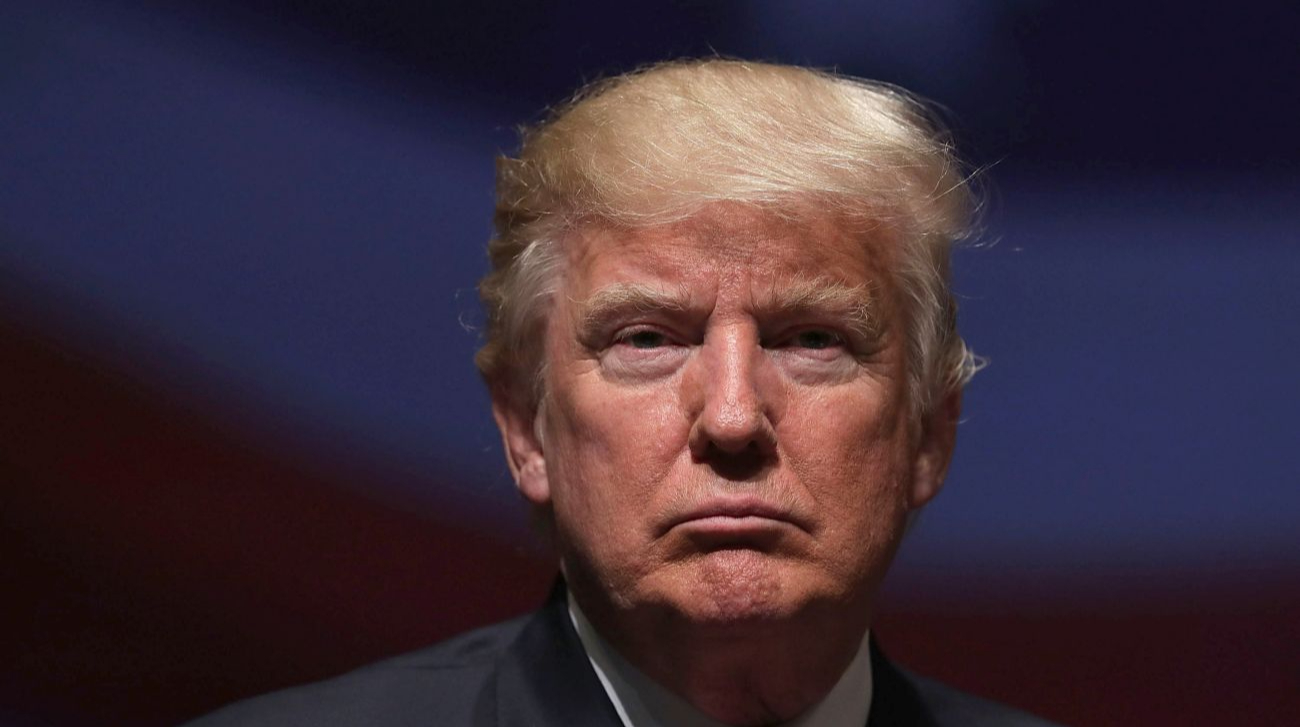
President Donald Trump unharmed during shooter incident at White House Correspondents Dinner. — Source: ukrainskapravda
Details emerging from the scene indicate that a shooter opened fire at the White House Correspondents Dinner, leading to the evacuation of President Donald Trump—reported unharmed—and other top United States leaders.[3][4][5] There did not immediately appear to be any injuries, a critical outcome in an environment packed with dignitaries and media personnel.[5] The law enforcement official's statement pinpointed the shooter as the source of the threat, though specifics on the number of shots or the precise location within the banquet hall were not detailed in available reports.[3][5]
The Secret Service's response was immediate and overwhelming, with agents and other authorities flooding the Washington Hilton to secure the perimeter and extract attendees.[5] Guests, numbering in the hundreds, took cover under tables as the situation unfolded, illustrating the instinctive adherence to active shooter protocols ingrained in public safety training.[5] President Trump's uninjured status was a focal point of early confirmations, alleviating immediate concerns about harm to the commander-in-chief.[3][4] Evacuations extended to other top leaders, ensuring a comprehensive removal of high-profile individuals from potential danger zones.[4]
This shooting incident at the annual dinner highlights the precision required in threat assessment during live events.[3] The banquet hall, central to the evening's activities, became the epicenter, with security forces prioritizing containment and guest safety.[5] Reports emphasized the absence of injuries, suggesting that either the shooter was neutralized quickly or the response mitigated any direct impacts.[4][5] The event's structure—featuring speeches, awards, and celebrity appearances—makes it a symbolic target, yet the lack of casualties points to robust preventive measures in place.[3]
Broader US Security Context
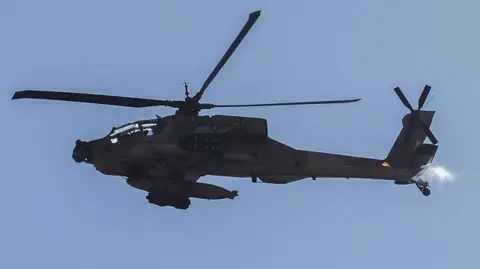
Amid this terrorism in United States incident, ongoing US military efforts in key international waterways provide a snapshot of the nation's extended security posture.[2][5] US President Donald Trump stated that the US Navy is actively hunting for explosive mines in the Strait of Hormuz, a vital route for 20 percent of the world's oil shipments.[2] This operation aims to clear Iranian mines disrupting the passage, despite a tenuous ceasefire in the weeks-long conflict between the United States and Iran.[2]
Experts note that sweeping for underwater explosives could extend over months, complicating commercial shipping and global economic stability.[2] The push to reopen the strait underscores persistent tensions in the region, where any US claims of full clearance might not immediately reassure freighter operators.[2] This naval activity, occurring concurrently with domestic security challenges like the White House Correspondents Dinner event, illustrates the multifaceted nature of US defense commitments.[5]
The context of mine-clearing operations reflects broader strategic priorities, including safeguarding energy supplies amid adversarial actions.[2] Trump's direct involvement in announcing these efforts highlights presidential oversight of military responses to threats abroad.[2] While not linked to the dinner incident, such operations demonstrate the US's capacity to manage simultaneous high-stakes scenarios, from maritime security to protecting leaders at home.[5]
International Developments Potentially Related to US Security
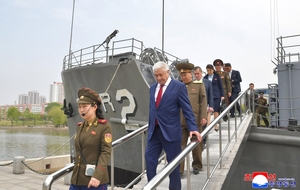
Russian delegations' high-profile visits to North Korea this week signal deepening cooperation between Pyongyang and Moscow, with implications for US interests in the region.[1] One group toured the USS Pueblo, a US Navy intelligence vessel seized by North Korea and now displayed as a trophy of their claimed victory over the United States.[1] Another delegation attended the opening of a memorial museum honoring North Korean soldiers killed while fighting for Russia in Ukraine, as reported by North Korean state media and diplomatic sources.[1]
These symbolic itineraries underscore growing ties that could affect US security calculations in Asia.[1] The USS Pueblo's prominence as a exhibit serves as a reminder of historical confrontations, while the war memorial ties into contemporary conflicts involving US adversaries.[1] Such developments occur against a backdrop of global tensions, where alliances like those between Russia and North Korea influence broader stability.[1]
For the United States, monitoring these interactions remains essential, particularly as they involve displays antagonistic to American military history.[1] The visits, separate but coordinated in timing, amplify perceptions of unified fronts opposing US objectives.[1]
Outcomes and Official Statements
The security incident at the White House Correspondents Dinner resulted in no reported injuries, with President Trump confirmed unharmed and evacuations successfully executed for top leaders.[2][5] Ongoing efforts by the Secret Service and authorities focused on securing the Washington Hilton banquet hall, where the shooter had opened fire.[5] Law enforcement's confirmation of the shooting provided clarity on the threat, though further investigative details were pending.[3][5]
President Trump's status as uninjured was reiterated across reports, stabilizing immediate public concerns.[2][5] The absence of casualties amid a crowded event speaks to the efficacy of response protocols.[5] In parallel, US statements on the Strait of Hormuz operations indicate continued commitment to resolving international threats, with Trump highlighting naval mine-clearing as a priority.[2]
Official responses emphasized containment and safety, with no immediate elaboration on the shooter's apprehension or motives.[5] The coordinated swarm of security forces ensured a controlled exit for attendees, minimizing panic.[5]
What to watch next
Monitor updates on the shooter's status and full investigation details from law enforcement, alongside progress in US Navy operations clearing mines from the Strait of Hormuz amid the ceasefire with Iran.[2][5]