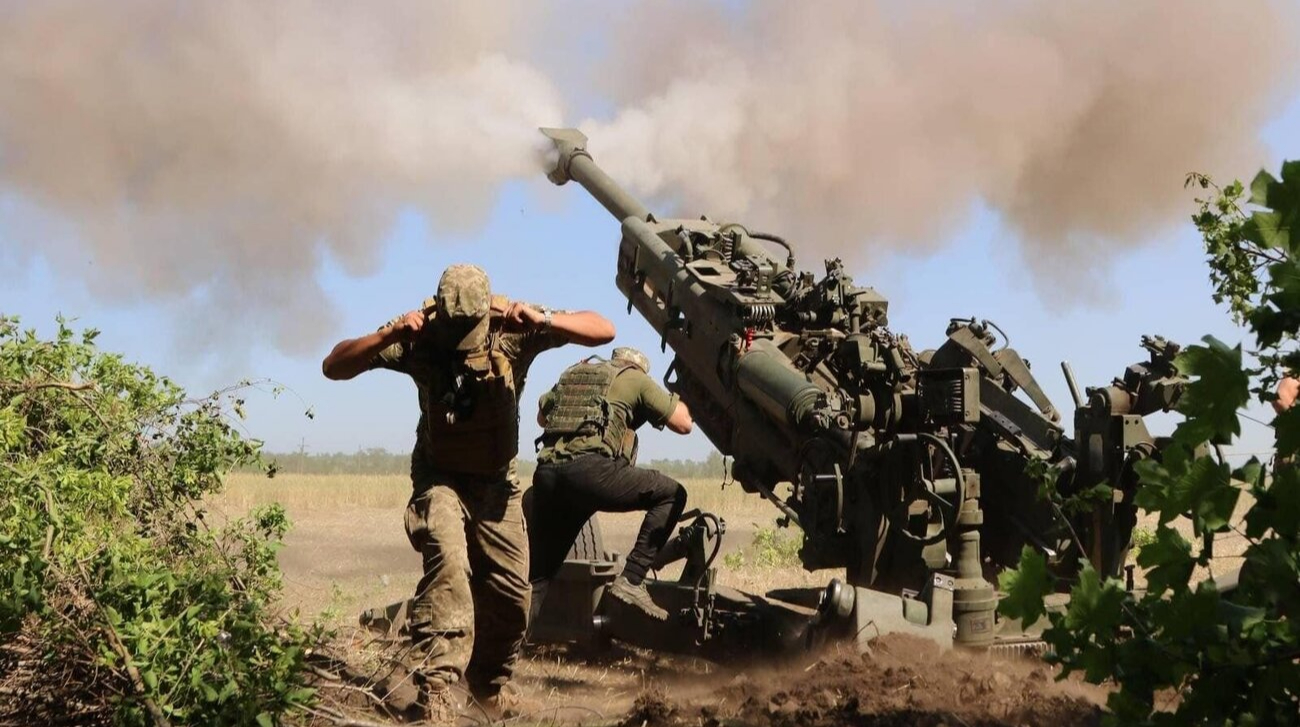
Terrorism in Nigeria: Troops Kill 24 Insurgents in Yobe Attack
In the latest escalation of terrorism Nigeria, Nigerian troops successfully repelled a midnight terror attack in Yobe State, killing 24 insurgents and recovering a large cache of arms and ammunition.[1] This operation underscores the ongoing efforts by military forces to counter insurgent activities in the region, with troops from Operation Hadin Kai playing a pivotal role in foiling the coordinated assault on Kukareta.[1] In a separate but related development highlighting persistent security challenges, terrorists kidnapped a medical doctor in a community in Niger State, amid local suspicions that the abduction was targeted for medical services to fighters.[2]
Overview of the Yobe Attack
The midnight terror attack on Kukareta in Yobe State represented a coordinated assault by insurgents, aimed at overwhelming local defenses under the cover of darkness.[1] Troops from Operation Hadin Kai, the joint task force operating in Nigeria's North-east, responded decisively to neutralize the threat.[1] This incident fits into a pattern of insurgent tactics that exploit nighttime hours for surprise attacks, testing the vigilance and rapid deployment capabilities of military units stationed in vulnerable areas.[1] The successful repulsion not only prevented potential casualties among civilians and security personnel but also demonstrated the effectiveness of ongoing counter-terrorism operations in the region.[1] Official reports confirm that the troops engaged the attackers promptly, turning the tide in what could have been a devastating breach.[1] Yobe State, located in the North-east, has long been a hotspot for such activities, where coordinated strikes like this one seek to disrupt stability and assert insurgent presence.[1] The involvement of Operation Hadin Kai highlights the collaborative nature of these defenses, drawing on joint resources to address threats that span multiple localities.[1] By foiling the attack, the troops maintained control over Kukareta, a community that remains strategically important due to its position in the insurgency-affected corridor.[1]
Details of Military Action
During the engagement in Yobe State, troops killed at least 24 insurgents, a significant blow to the attacking force's capabilities.[1] In addition to the casualties inflicted, the military recovered a large cache of arms and ammunition, depriving the insurgents of vital resources for future operations.[1] This haul included weapons and munitions that could have sustained prolonged assaults or been redistributed to other cells.[1] The operation's outcomes reflect the troops' superior training, firepower, and tactical coordination under Operation Hadin Kai, which has been instrumental in numerous similar confrontations.[1] The recovery of such a substantial arsenal not only weakens the immediate insurgent group but also provides intelligence on supply lines and armament sources potentially used in broader terrorism Nigeria networks.[1] Official statements emphasize the precision of the response, with troops minimizing risks while maximizing impact against the attackers.[1] The midnight timing added complexity, requiring night operations expertise, yet the forces executed their mandate effectively, securing the area post-engagement.[1] This level of success in neutralizing 24 fighters and seizing materiel underscores the sustained pressure being applied on insurgent elements in Yobe and surrounding areas.[1]
Kidnapping Incident in Niger State
In a distinct incident amid Nigeria's security landscape, terrorists targeted and kidnapped a medical doctor from a community in Niger State.[2] The abduction occurred in a targeted manner, isolating the healthcare professional from his surroundings and highlighting vulnerabilities in civilian areas.[2] Niger State, while not always in the forefront of North-east insurgency reports, faces spillover threats that enable such bold operations by terror groups.[2] The doctor's role as a medical expert made him a specific objective, as confirmed by local accounts of the event.[2] This kidnapping adds to the tally of non-combatant victims in ongoing conflicts, where professionals in essential services become unwilling pawns.[2] Reports indicate the swift execution of the snatch, underscoring the insurgents' operational familiarity with the terrain and community routines.[2] The incident has raised alarms about the safety of medical personnel in regions adjacent to active conflict zones, prompting calls for enhanced protection measures.[2]
Suspected Motives for the Kidnapping
Locals in the Niger State community suspect that the medical doctor was targeted specifically to provide treatment for wounded or ill fighters among the terrorists.[2] This theory aligns with patterns observed in similar abductions, where insurgents seek specialized skills to sustain their forces without relying on compromised external medical networks.[2] The suspicion stems from the deliberate selection of the victim, bypassing other potential targets in favor of someone with medical expertise.[2] Such motives reveal the pragmatic yet ruthless strategies employed by terror groups, prioritizing operational continuity through coerced expertise.[2] Community members' insights point to a calculated risk by the kidnappers, betting on the doctor's utility in addressing injuries or illnesses that could otherwise hamper their activities.[2] This abduction thus serves a dual purpose: acquiring medical aid while instilling fear in local populations and service providers.[2] The locals' assessment, based on contextual knowledge of insurgent needs, adds a layer of understanding to the incident's intent.[2]
Context of Recent Events
These two incidents—a repelled midnight attack in Yobe State and the kidnapping in Niger State—illustrate the multifaceted nature of terrorism Nigeria, spanning direct assaults and opportunistic abductions.[1][2] The Yobe operation by Operation Hadin Kai troops, resulting in 24 insurgents killed and weapons recovered, showcases defensive successes against coordinated threats.[1] Meanwhile, the Niger State event reveals insurgents' adaptive tactics, targeting individuals like the medical doctor for strategic gains.[2] Together, they reflect persistent insurgent activity across states, with North-east strongholds like Yobe facing frontal engagements and central areas like Niger encountering stealthier operations.[1][2] Local suspicions about the doctor's role in treating fighters further connect these events to broader insurgent logistics.[2] Official responses in Yobe prevented escalation, while the Niger abduction prompts urgent recovery efforts.[1][2] This clustering of reports from Premium Times Nigeria highlights the interconnected security challenges demanding vigilant military and community vigilance.[1][2]
What to watch next
Further details on the recovered arms cache and ammunition from the Yobe incident may reveal more about insurgent supply networks,[1] while updates on the search for the kidnapped medical doctor in Niger State could clarify the targeted motives suspected by locals.[2]