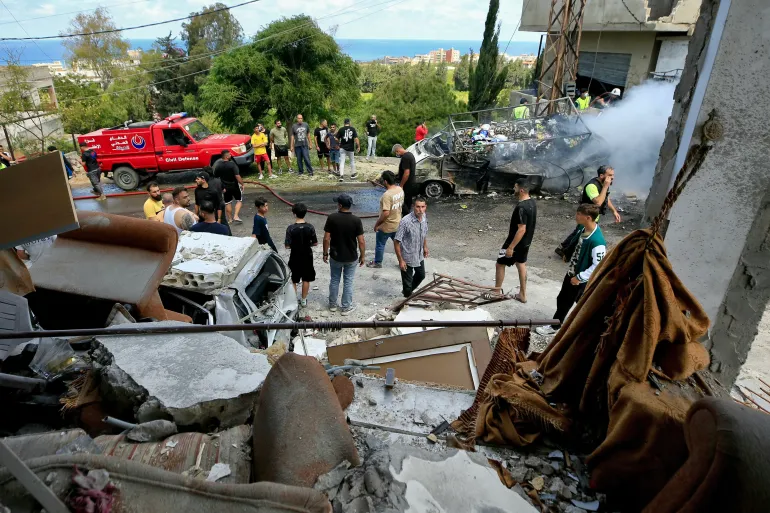
Conflict in Lebanon: 2,124 Killed and 6,921 Injured Since March
Ongoing hostilities in the conflict in Lebanon have resulted in 2,124 people killed and 6,921 injured since 2 March, amid widespread displacement and destruction of critical infrastructure.[2] The situation has led to a deteriorating humanitarian landscape, with key transport routes destroyed and access for aid severely impeded, particularly impacting vulnerable groups such as pregnant women.[2] These developments occur against a backdrop of global concerns over attacks on humanitarian workers, including those in Lebanon, and specific incidents that underscore the intensity of the conflict.[1][3] Residents in southern Lebanon, particularly in Tyre, remain wary of the current truce, fearing its expiration could reignite clashes between Israeli forces and Hezbollah.[5]
Key Developments in the Conflict in Lebanon
Several critical updates highlight the evolving dynamics of the conflict in Lebanon. Insecurity Insight has documented 1,073 attacks on aid workers globally, including incidents in Lebanon, over the 23 months since the adoption of a relevant United Nations resolution. These attacks have resulted in 735 aid workers killed, 579 injured, 325 kidnapped, and 46 other incidents affecting humanitarian and UN personnel, as well as civil society actors.[1] This data, drawn from the Aid in Danger Bi-Monthly News Brief covering 1-14 April 2026, illustrates the perilous environment facing relief efforts worldwide, with Lebanon explicitly noted among the affected countries alongside Iran, Myanmar, Nigeria, occupied Palestinian territory, Sudan, and Ukraine.[1]
The humanitarian situation in Lebanon continues to worsen due to ongoing hostilities and widespread displacement. Critical infrastructure and key transport routes have been destroyed, isolating vulnerable populations, including pregnant women, and severely impeding humanitarian access.[2] According to the UNFPA Situation Report on the Lebanon Crisis from 2-16 April 2026, these disruptions have compounded the challenges for aid delivery at a time when needs are escalating.[2]
The United Nations has issued a strong condemnation of the destruction of a Jesus statue by an Israeli soldier in Lebanon, describing it as an unacceptable desecration of religious symbols.[3] A UN spokesperson stated, "The desecration of religious symbols, the desecration of houses of worship is unacceptable, regardless of the religion."[3] This incident, reported by Anadolu Agency, adds to the tally of concerning actions amid the hostilities.
In southern Lebanon, particularly in the city of Tyre, residents express deep suspicion toward the current truce. They fear an imminent return to war between Israeli forces and Hezbollah, as the ceasefire is set to expire on Sunday.[5] Coverage from El Pais captures local sentiments, quoting residents who believe "Israel’s sole objective is to fill our hearts with terror."[5] These developments collectively paint a picture of persistent insecurity and humanitarian strain in the region.
Overview of Recent Casualties and Humanitarian Impact
The conflict in Lebanon has exacted a heavy toll on human lives and livelihoods, with comprehensive data underscoring the scale of the crisis. Since 2 March, hostilities have led to 2,124 people killed and 6,921 injured, figures reported in the UNFPA Situation Report covering 2-16 April 2026.[2] These casualties reflect the relentless pace of violence, contributing to widespread displacement across the country. The destruction of critical infrastructure has not only exacerbated immediate risks but has also created long-term barriers to recovery and normalcy for affected communities.[2]
Civilians bear the brunt of these impacts, as ongoing hostilities disrupt daily life and essential services. The humanitarian situation is deteriorating rapidly, with isolated populations facing acute challenges in accessing medical care, food, and shelter.[2] Vulnerable groups, such as pregnant women, are particularly hard-hit, as destroyed key transport routes hinder the delivery of specialized aid and maternal health services.[2] This impediment to humanitarian access amplifies the risks, potentially leading to higher rates of complications and unmet needs in an already strained environment.[2]
The UNFPA report emphasizes how these factors interplay to create a cycle of vulnerability. Displacement has scattered families, overwhelming makeshift accommodations and local resources, while the loss of infrastructure like roads and bridges isolates entire areas from relief convoys.[2] On 16 April, the UN Secretary-General's office was referenced in the context of these developments, though specific statements were tied to broader condemnations of the violence.[2] Overall, the casualty figures and humanitarian fallout serve as stark indicators of the conflict's pervasive reach, demanding urgent international attention to mitigate further suffering.[2]
{IMAGE_2}
Attacks on Aid Workers and Infrastructure
Attacks on humanitarian personnel and the systematic destruction of infrastructure represent major obstacles to effective aid delivery in Lebanon. Globally, Insecurity Insight recorded 1,073 attacks and acts of violence against aid workers from the UN, humanitarian organizations, and civil society in the 23 months since a key resolution was adopted.[1] These incidents resulted in 735 aid workers killed, 579 injured, 325 kidnapped, and 46 other harmful events, with Lebanon listed among the countries experiencing such violence, including Iran, Myanmar, Nigeria, occupied Palestinian territory, Sudan, and Ukraine.[1]
In Lebanon specifically, the targeting of aid operations compounds the challenges posed by the conflict. The Aid in Danger Bi-Monthly News Brief for 1-14 April 2026 highlights the protection issues facing humanitarian and UN personnel, premises, and assets, directly implicating the Lebanese context within this global trend.[1] Such attacks erode the capacity to respond to crises, as personnel face heightened risks that deter operations and delay responses.
Parallel to these assaults, the destruction of critical infrastructure has severely impeded humanitarian access. Key transport routes have been rendered unusable, isolating vulnerable populations and preventing the timely arrival of supplies.[2] The UNFPA Situation Report details how this infrastructure damage affects aid logistics, particularly for groups like pregnant women who require consistent medical support.[2] The combined effect of personnel attacks and physical barriers creates a multifaceted crisis, where even willing aid workers struggle to reach those in need.[1][2] This dual threat underscores the need for enhanced security measures and respect for humanitarian principles amid the hostilities.
Specific Incidents of Violence and Desecration
Notable events in the conflict have drawn international scrutiny, particularly those involving cultural and religious sensitivities. The United Nations has condemned the destruction of a Jesus statue by an Israeli soldier in Lebanon as a shocking act.[3] This incident was described by a UN spokesperson as an unacceptable desecration of religious symbols, with the statement emphasizing, "The desecration of religious symbols, the desecration of houses of worship is unacceptable, regardless of the religion."[3]
Reported by Anadolu Agency, this event highlights the nature of violence extending beyond combatants to symbolic and sacred sites. Such desecrations not only provoke outrage but also risk inflaming tensions in a region where religious identities play a significant role.[3] The UN's position reflects a broader call for restraint and respect for cultural heritage during military operations.
This specific incident provides context for the broader pattern of conflict-related actions in Lebanon. It illustrates how individual acts can symbolize larger issues of accountability and the protection of non-military targets. The international response, centered on condemnation, aims to deter similar occurrences and uphold international norms governing armed conflicts.[3] While isolated, such events contribute to the narrative of escalating sensitivities and the human cost beyond direct casualties.
{IMAGE_3}
Security Assessments and Truce Status
Current security evaluations in Lebanon reveal a fragile landscape marked by public apprehension over the truce's viability. The Weekly Security Report: Lebanon Operational Assessment for 13-19 April 2026, issued by SARI Global, provides insights into the operational challenges faced by actors on the ground.[4] These assessments outline risks that inform movement, aid delivery, and civilian safety amid ongoing tensions.
Residents of Tyre, southern Lebanon's largest city, express profound suspicion toward the truce. They fear an imminent return to war between Israeli forces and Hezbollah, especially as the ceasefire is set to expire on Sunday.[5] Local voices, as covered by El Pais, articulate this unease, stating that "Israel’s sole objective is to fill our hearts with terror."[5] This sentiment reflects a broader distrust in the cessation of hostilities, with communities bracing for potential escalation.
The combination of professional security reports and grassroots perspectives paints a picture of heightened vigilance.[4][5] Tyre's position near the frontlines amplifies these concerns, where daily life remains disrupted by the threat of renewed fighting. Security assessments likely factor in these dynamics, advising caution and preparedness for volatility.[4] As the truce nears its end, the potential for renewed clashes looms large, influencing both local behavior and international monitoring efforts.[5]
Broader Context of the Conflict
The situation in Lebanon must be understood within a wider global and regional framework of humanitarian risks and localized fears. Attacks on aid workers, totaling 1,073 incidents worldwide including Lebanon over 23 months since a UN resolution, have claimed 735 lives, injured 579, kidnapped 325, and involved 46 other acts.[1] This global tally, from Insecurity Insight's bi-monthly brief, positions Lebanon as part of a disturbing pattern affecting multiple crisis zones like Ukraine, Sudan, and others.[1]
Regionally, the truce in southern Lebanon, particularly Tyre, encapsulates anxieties over escalation. Residents' fears of a return to war between Israeli forces and Hezbollah as the ceasefire expires underscore the precarious balance.[5] Their suspicion, rooted in perceived terror tactics, frames the conflict as one of psychological and physical endurance.[5]
Integrating these elements, the Lebanese crisis reflects intertwined global humanitarian threats and specific bilateral tensions.[1][5] The destruction of infrastructure and aid impediments further isolates the country within this context, hindering recovery.[2] This broader lens reveals how local hostilities contribute to worldwide strains on relief systems, calling for coordinated responses to both immediate and systemic challenges.
What to watch next: With the ceasefire set to expire on Sunday, residents of Tyre fear an imminent return to war between Israeli forces and Hezbollah,[5] while the humanitarian situation continues to deteriorate amid impeded aid access and infrastructure destruction.[2] Ongoing security assessments will be critical as the truce's status evolves.[4]