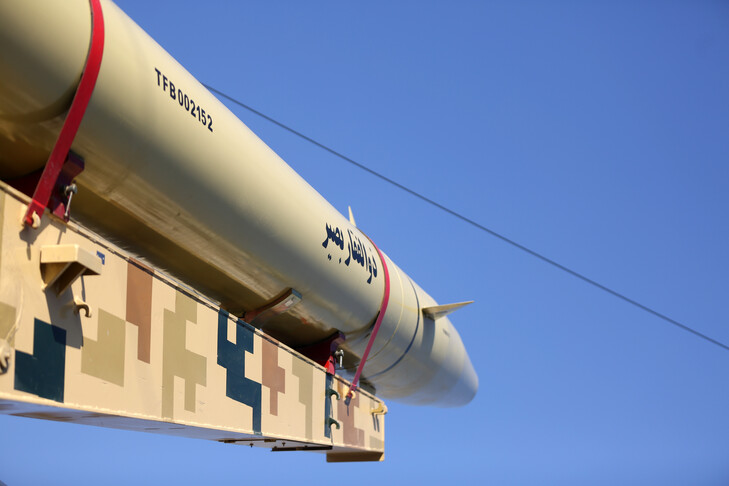

Tensions Escalate as Israel and Iran Halt Direct Attacks but Continue Lebanon Operations
The US military has launched retaliatory strikes against Iran on orders from President Donald Trump following the downing of a US Apache helicopter, amid fragile ceasefires and ongoing regional attacks involving Israel, Iran, Lebanon and allied groups. These events have raised tensions across the Middle East as direct exchanges between Israel and Iran paused while operations tied to Lebanon continued.
US Launches Retaliatory Strikes on Iran
The US military began strikes against Iran at 5:00 p.m. Eastern time on orders from President Donald Trump. [1] Centcom described the action as a proportionate response to unjustified Iranian aggression after Iran shot down a US Apache helicopter. [1] Trump stated that the United States must react to the downing of the helicopter. [4] Both pilots of the Apache were unharmed and remained in safety. [1] Residents in the Iranian port area of Sirik on the Gulf of Oman reported explosions in the evening local time, though the blasts were not officially attributed to any party. [1]
Centcom issued its statement on the platform X and noted that further details on the scope of the strikes were not provided at the outset. [1] The sequence followed Trump’s public comments that Iran had downed the helicopter and that a response was necessary. [4] No additional information emerged immediately on the extent or targets of the US operation beyond the initial timing and justification.
Iranian Threats to Energy Infrastructure
A senior Iranian lawmaker warned that regional energy infrastructure could be targeted if the United States attacks Iran. [2] The statement came as the US strikes were reported and added to concerns over possible widening of the conflict to sites tied to energy production and transport. [2]
Fragile Ceasefire Between US, Iran and Israel
A US-brokered ceasefire between the United States and Iran that dates to April 8 remains fragile because it lacks formal enforcement mechanisms and excludes the Lebanon conflict. [3] The agreement was described as temporary from the start, with no published full text and no third-party monitoring provisions. [3] Trump presented the truce in transactional terms, linking a two-week pause to Iran reopening the Strait of Hormuz, yet offered no details on verification or what actions would count as violations. [3]
Israel and Iran both declared they had halted mutual attacks after earlier exchanges, but the pause proved short-lived when new strikes occurred. [5] Netanyahu confirmed the ceasefire in a video message and warned that any renewed Iranian attack would draw a strong response. [5] Iran’s military headquarters stated that further violations, including continued Israeli operations in southern Lebanon, would trigger harsher and more destructive measures. [5] The absence of binding commitments left the truce vulnerable to renewed escalation driven by political pressures on Netanyahu. [3]
Lebanon Conflict Complicates Peace Efforts
Iran has insisted that any deal with the United States must include a ceasefire in Lebanon. [3] Iran’s first direct involvement in support of Hezbollah occurred on the night of June 7, signaling an effort to link the Lebanon and Iran fronts. [3] Israel continued strikes in Lebanon even after the pause in direct Israel-Iran fighting, including attacks on the southern suburbs of Beirut and later on vehicles in the south that killed at least five people. [5] Hezbollah responded with further attacks on Israeli positions in southern Lebanon. [5]
The exclusion of Lebanon from the April 8 ceasefire framework created new risks, as Iran sought to establish a deterrence line around Lebanon while the United States and Israel attempted to keep the two theaters separate. [3] Continued Israeli operations in Lebanon, even at smaller scale, kept the prospect of broader escalation alive. [3]
Tensions in US-Israel Relations
Netanyahu faces domestic political pressure to project a strong image ahead of elections scheduled for later in the year. [3] Reports of a phone call in which Trump warned Netanyahu that further expansion of attacks could leave Israel isolated added to strains in the relationship. [5] Israel proceeded with operations in Lebanon despite US calls to halt, prompting analysts to describe the current state of US-Israel ties as tense. [3] Netanyahu’s public stance has been shaped by the need to maintain credibility with voters who expect him to resist external pressure, yet the limits of Trump’s influence became evident when Israeli actions continued. [3]
Regional Fallout and Additional Attacks
Houthi forces in Yemen claimed a rocket attack on Israel, the first direct Houthi strike since early April, and Israel intercepted a drone over Eilat. [5] Israel, Iran, Iraq, and Syria reopened airspace after the latest round of strikes ended. [5] Iran fired more than 20 ballistic missiles at Israel in multiple waves, prompting a large-scale Israeli response that included strikes on strategic defense systems and a petrochemical facility in southwestern Iran. [5] Netanyahu stated that attempts to impose a new equation from Lebanese or Iranian territory would not be accepted. [5] Iran’s military headquarters warned of harsher responses if attacks on Lebanon persisted. [5]
What to watch next: Observers will monitor whether Israel’s continued operations in Lebanon prompt Iran to carry out its threat of harsher measures, whether the United States can reassert leverage over both sides, and whether the fragile April 8 ceasefire can survive without formal enforcement tools.





/file/attachments/2988/13743601_787709.jpg)

