
Switzerland Hosts US-Iran Talks Yielding 60-Day Roadmap to Final Deal
High-level US and Iranian officials concluded the first round of talks in Switzerland on June 22, 2026, amid Switzerland tensions, with mediators Qatar and Pakistan announcing encouraging progress, including agreement on a roadmap toward a final deal within 60 days and the start of technical negotiations. [1] [2] [4]
Talks Conclude With Roadmap Agreement
The first round of talks between high-ranking US and Iranian officials in Switzerland ended on Monday, June 22, with mediators from Qatar and Pakistan issuing a joint statement that described encouraging progress. [2] The statement confirmed that the High Level Committee set up by Tehran and Washington agreed upon a road map towards reaching a final deal within 60 days, laying the foundation for the immediate commencement of further technical talks. [1] [2] Mediators noted that the parties had adopted this roadmap during the high-level committee meeting at the Buergenstock resort. [1] The joint statement emphasized that the mediating parties will continue to do their utmost to ensure that the negotiations continue to be conducted in a constructive atmosphere with the aim of reaching a final deal. [2] Iranian Foreign Minister Abbas Araghchi gave credit to tireless Pakistani and Qatari mediation in his statements following the round. [2]
Initial Tensions and Threats
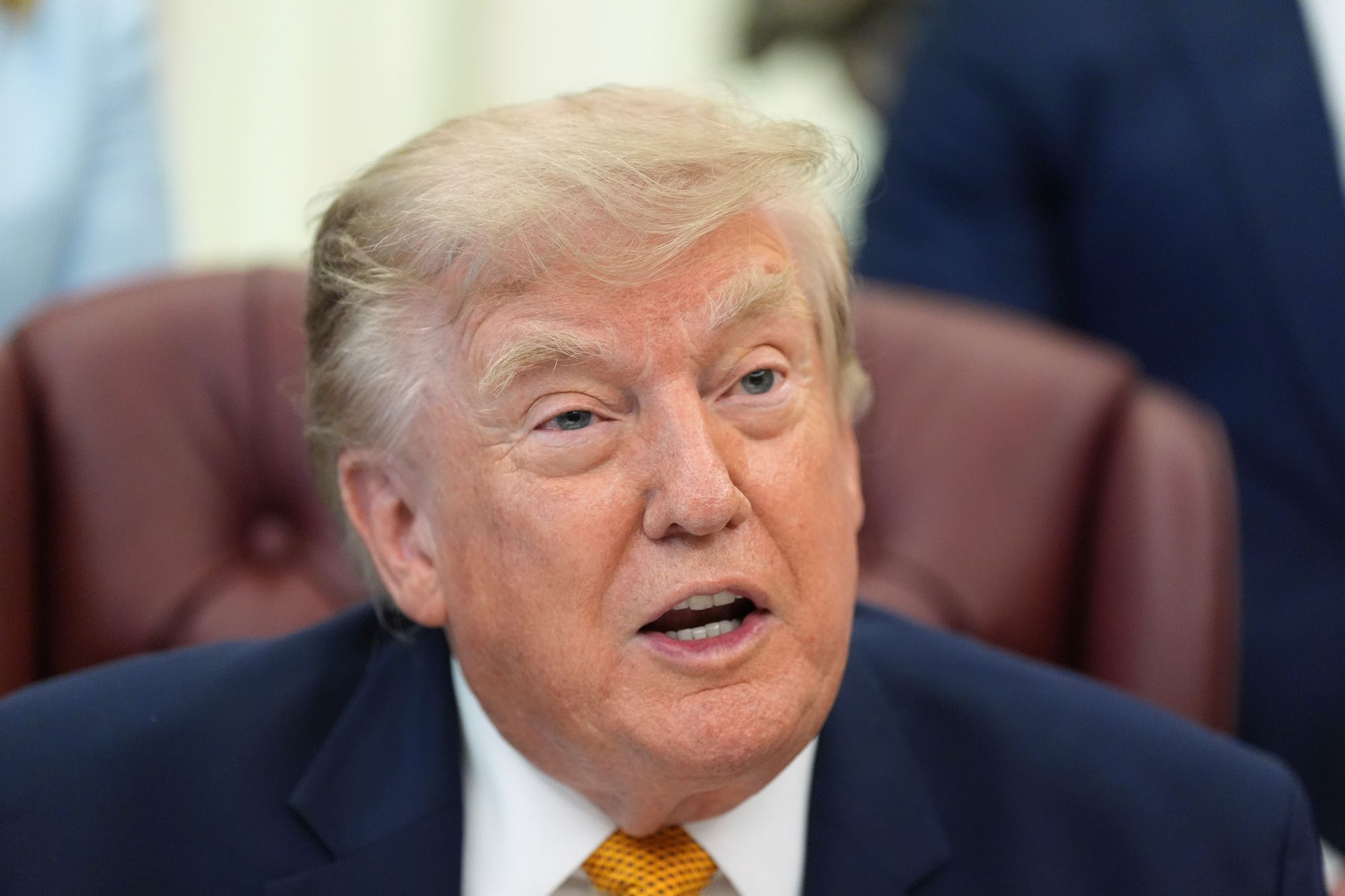
The talks at the Buergenstock resort were marked by initial tensions, including Iran's announcement of closing the Strait of Hormuz and US President Donald Trump's threats to resume attacks on Iran and take over the waterway. [2] Just before talks officially began on Sunday, reports indicated that Trump told Iranian officials they would not have a country if they tried to close the strait again, while also reiterating an earlier threat that the US would take over the waterway and possibly charge a toll. [2] Iranian Parliament Speaker Mohammad Bagher Ghalibaf, who heads the delegation, dismissed the threat, saying Iran's armed forces are ready to respond. [5] Iran's semi-official Tasnim news agency reported that the Iranian delegation left negotiations with the United States in Switzerland on Sunday in protest of Trump's threat to launch further strikes against Iran. [5] A US diplomat involved in the talks stated that the Iranians never left and are still here meeting and negotiating deep into the night. [2]
Agreements on Lebanon and Hormuz
The parties agreed to create a de-confliction cell for ending military operations in Lebanon and established a communication line to ensure safe passage for commercial ships through the Strait of Hormuz. [2] The joint statement specified that the United States and Iran agreed on the creation of a de-confliction cell, between the parties, the Lebanese Republic and facilitated by the Mediators, to ensure the adherence of the termination of military operations in Lebanon. [2] Tehran and Washington also set up a communication line to avoid incidents and miscommunication with the aim of safe passage for commercial vessels through the Strait of Hormuz, applicable for the 60-day period outlined in the memorandum of understanding. [2] The agreement calls for reopening the Strait of Hormuz, a choke point for global energy shipments, and ending all hostilities, including in Lebanon. [2]
Iranian Claims on Sanctions Relief
Iranian Foreign Minister Abbas Araghchi stated that the talks secured waivers for oil and petrochemical exports, release of some frozen assets, and a reconstruction plan for Iran, though the joint mediator statement did not confirm the asset releases. [2] Araghchi wrote on social media that oil and petrochem exports are waived, blockade lifted, some frozen assets released, and major reconstruction and development plan launched for Iran. [2] The Pakistan-Qatar joint statement does not mention any unfreezing of Iranian assets. [2] In the memorandum of understanding, the United States undertakes to terminate all types of sanctions against Iran and to make fully available for use the frozen or restricted funds and assets of Iran. [2] An analyst warned that US-Iran talks in Switzerland face their first major test over who controls billions in potentially unfrozen Iranian assets. [3]
Technical Talks to Continue
Technical talks will continue for the rest of the week at the Swiss resort, focusing on issues including the Strait of Hormuz, Lebanon, nuclear matters, and implementing the recent memorandum of understanding. [2] The joint statement indicated that technical talks will continue for the remainder of the week at the Buergenstock resort on all issues. [2] [4] A US diplomat said discussions included clarifying some of the confusing messaging from Iran on the Strait and building deconfliction mechanisms to ensure the Strait will remain fully open, while also covering Lebanon, nuclear issues, and details of implementing the MOU. [2] Pakistan and Qatar have gained international prominence as mediators in the Iran-US deal, with the two nations issuing a joint statement to mark the conclusion of the first round of talks. [2]
Market Reaction and Context
Oil prices fell after the joint statement, with Brent crude dropping more than US$1 to US$79.44 a barrel. [2] US Vice President JD Vance began talks with Iranian officials on Sunday under the terms of a memorandum of understanding reached last week to extend a tenuous ceasefire from April for at least another 60 days. [2] The discussions continued until the early hours of Monday. [2] Trump said he agreed to last week's memorandum of understanding to avert a global economic depression from high oil prices caused by the strait's closure. [2] Oil prices had tumbled over the past week to levels unseen since the war started on Feb 28 with US-Israeli attacks on Iran. [2]
What to watch next: Technical talks will continue for the remainder of the week at the Buergenstock resort on all issues, with mediators stating they will continue to do their utmost to ensure the negotiations continue in a constructive atmosphere. [2]