Switzerland Hosts US-Iran Talks Yielding 60-Day Agreement Roadmap on Switzerland Tensions
US and Iranian negotiators concluded the first round of high-level talks in Switzerland amid Switzerland tensions with mediators Qatar and Pakistan reporting encouraging progress, including a 60-day roadmap to a final agreement and the establishment of technical working groups on Iran's nuclear programme, Western sanctions, the Strait of Hormuz and a Lebanon ceasefire. [1] [4]
Progress Reported After First Round of US-Iran Talks
Mediators Qatar and Pakistan stated that the talks had taken place in a positive and constructive atmosphere at the Bürgenstock resort near Lucerne. [1] They announced encouraging progress has been made, including the establishment of a mechanism for further negotiations. [1] The aim is to reach a final agreement within 60 days, as provided for in the framework agreement concluded last week. [1] [4] The parties are establishing working groups on Iran’s nuclear programme and Western sanctions. [1] Technical talks at the working level are set to continue this week in Bürgenstock near Lucerne. [1]
Mechanisms Established for Regional Security
A channel of communication has been established between the warring parties to prevent misunderstandings or incidents in the Strait of Hormuz, with the aim to ensure safe passage for ships through the strait. [1] In addition, a forum has been set up to ensure compliance with the ceasefire in Lebanon, where there have been repeated mutual attacks between the Israeli army and the pro-Iranian Hezbollah militia. [1] Mediators announced a de-confliction mechanism intended to prevent renewed military operations in Lebanon. [4] A senior U.S. diplomat claimed progress on multiple fronts, including the establishment of mechanisms to ensure the Strait of Hormuz remains open and that a ceasefire in southern Lebanon holds. [5] The sides agreed to establish a communication line to ensure safe passage of ships in the Strait of Hormuz, as well as a mechanism to bring about an end to the fighting between Israel and the Iranian-backed militant group Hezbollah in Lebanon. [5]
Implementation Steps and Iranian Assessment
The US naval blockade of Iranian ports has been lifted and the first frozen Iranian assets are being released. [1] A major reconstruction plan for Iran has also been launched. [1] Iran’s Foreign Minister Abbas Araghchi wrote on X that there had been significant progress in efforts to end the war in Lebanon. [1] He said the joint forum to monitor compliance with the ceasefire in Lebanon was the first real test of the agreements. [1] Tehran said progress had been made on sanctions relief and access to frozen Iranian assets. [4] Iranian officials said implementation of commitments in Lebanon would be a key factor in determining the future of the agreement. [4]
Disruptions on First Day of Negotiations
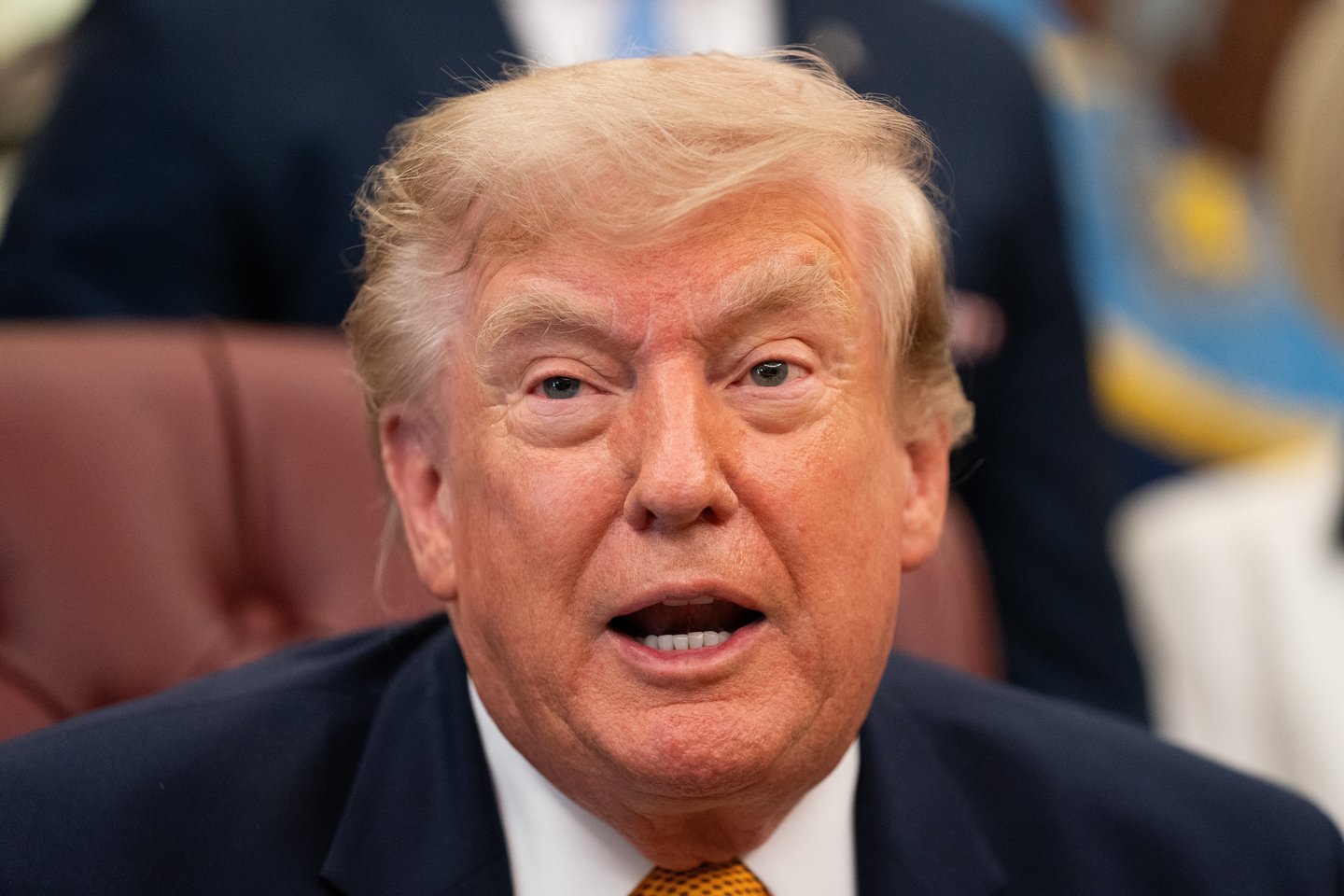
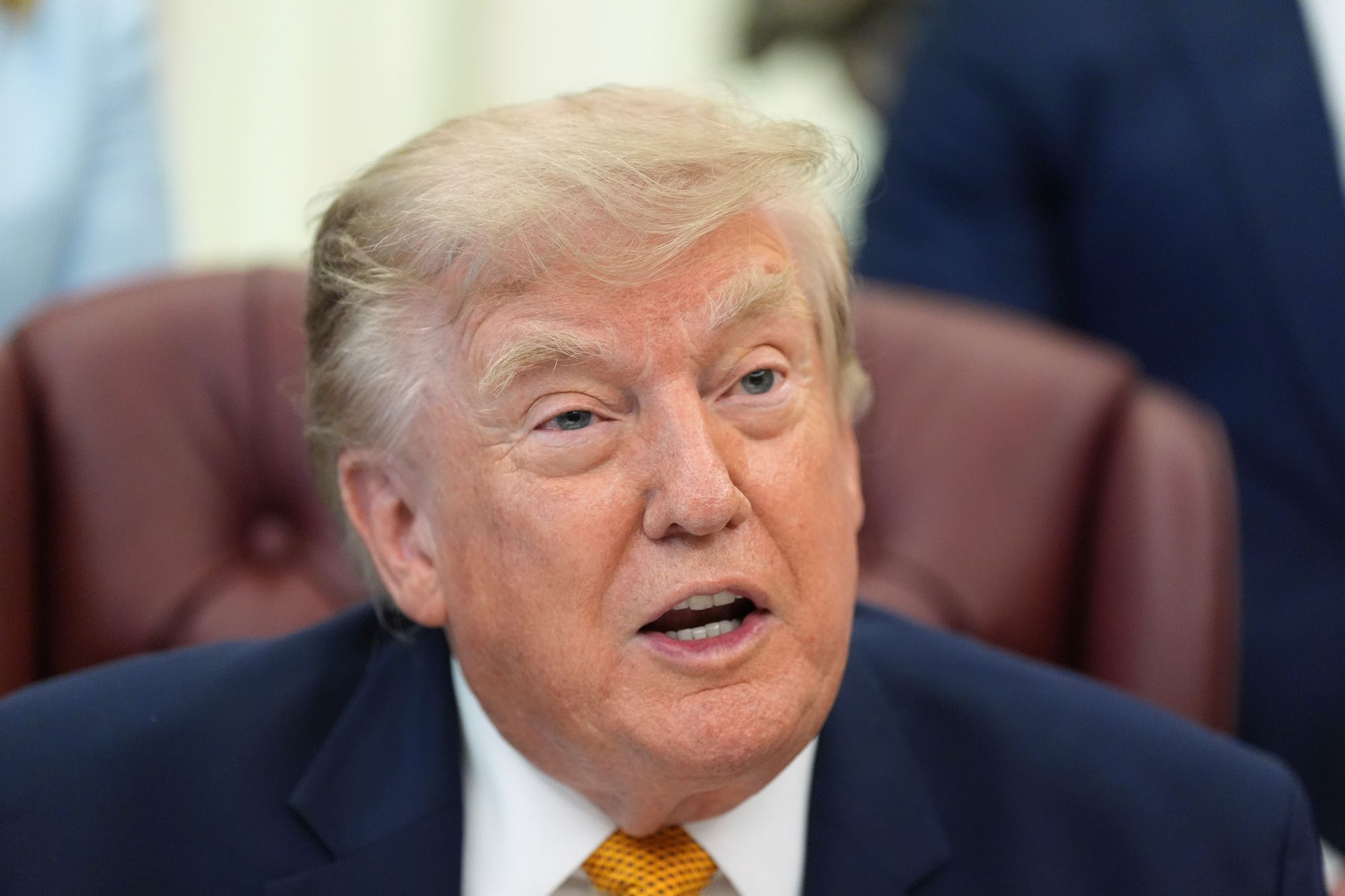
The first day was disrupted by statements from US President Donald Trump that prompted a temporary pause by the Iranian delegation. [5] Iranian state media said talks had paused after the publication of an insulting message by the U.S. President, after which the Iranian delegation met with Qatari mediators and left the negotiating site. [5] Talks continued overnight despite reports that Iran briefly revised its participation following comments by President Donald Trump warning Tehran over the Strait of Hormuz. [4] The senior U.S. diplomat said late Sunday that the Iranians remained on site and the negotiations were on. [5] A senior U.S. diplomat claimed the negotiations continued after the initial disruption. [5]
Key Participants and Next Steps
The US delegation was led by Vice President JD Vance. [1] On the Iranian side, alongside Foreign Minister Abbas Araghchi, Parliamentary Speaker Mohammed Bagher Ghalibaf took part as negotiators. [1] The chief negotiators for the U.S. include JD Vance, special envoy Steve Witkoff, and Jared Kushner. [5] Iran is represented by Mohammad Bagher Qalibaf and Foreign Minister Abbas Araghchi. [5] Pakistan’s Prime Minister Shehbaz Sharif and Field Marshal Asim Munir also participated in greetings ahead of talks. [4] In a joint statement, Pakistan and Qatar said the high-level talks had ended and that technical negotiations would continue in Switzerland for the rest of the week. [5] The interim deal outlines a 60-day period for negotiators to settle the future of Tehran’s nuclear program. [5]
Current Situation in Lebanon
According to the report, the forum has been set up amid the holding ceasefire in Lebanon. [1] Saturday’s renewed ceasefire in Lebanon appeared to be holding, and Israel’s military said it would lift movement restrictions for residents near the Israel-Lebanon border on Monday morning. [5] There was cautious calm Monday in Lebanon, with no Israeli strikes reported overnight after a day of quiet Sunday. [5] Hezbollah likewise has not announced any attacks on Israeli forces since Saturday. [5] The lull in fighting in Lebanon is the longest since the outbreak of the latest Israel-Hezbollah war on March 2. [5] Hezbollah leader Naim Qassem said the group would not accept any ceasefire arrangement that allows Israel unrestricted military activity in Lebanon. [4] Israeli Prime Minister Benjamin Netanyahu reiterated that Israeli forces would remain in designated security zones in Lebanon, Syria and Gaza. [4] Israeli media reported the military could begin reducing troop levels in parts of southern Lebanon after completing most offensive operations. [4]
What to watch next: Technical talks at working level will continue this week in Bürgenstock with the goal of reaching a comprehensive deal within 60 days.