
Sudan's Skies Under Fire: How Drone Warfare is Redefining the Conflict in Kordofan
What's Happening
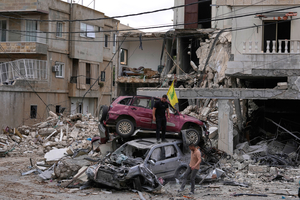
The skies over Kordofan, a volatile heartland straddling North and South Kordofan states, have become a deadly theater of drone warfare, transforming what was once a grinding ground conflict into a high-tech aerial campaign. Africanews reported on March 30, 2026, that drone strikes intensified over the past week, with confirmed incidents including a March 28 attack on a displacement camp near Kadugli that killed 22 civilians, including 12 children, and wounded over 50. Eyewitnesses described swarms of small, propeller-driven quadcopters—likely commercial drones modified for munitions—dropping 40mm grenades with precision, followed by larger fixed-wing UAVs conducting surveillance and follow-up strikes.
ReliefWeb's Eastern Chad Flash Update #49, dated March 27, details spillover effects: over 3,000 Sudanese refugees fled across the border into Chad's Ouaddai region after a March 25 drone strike on a market in El Fasher's outskirts, killing 17 and displacing 15,000. Confirmed casualty figures come from local health clinics and MSF teams, while unconfirmed intelligence from Chadian officials points to RSF factions deploying Iranian-style loitering munitions, capable of 200km ranges, sourced via Libya smuggling routes. SAF, meanwhile, is verified using Chinese CH-4 drones for reconnaissance, spotted via satellite imagery shared by UN monitors.
This technological leap alters traditional warfare dynamics profoundly. Drones enable factions to strike without exposing ground troops, reducing operator risks while maximizing psychological terror. In Kordofan, where terrain favors guerrilla ambushes, UAVs provide real-time intelligence, fusion centers, and precision targeting—shifting from RSF's mobile hit-and-run tactics to SAF's aerial dominance. Flash updates from Eastern Chad hint at external actors: unconfirmed links to Wagner remnants (now Africa Corps) training RSF drone pilots, and UAE-backed SAF logistics via Port Sudan. Specific incidents include a March 22 RSF drone hit on SAF convoys near Bara—tying into the March 17 RSF seizure of the town—killing 17 soldiers and disrupting supply lines.
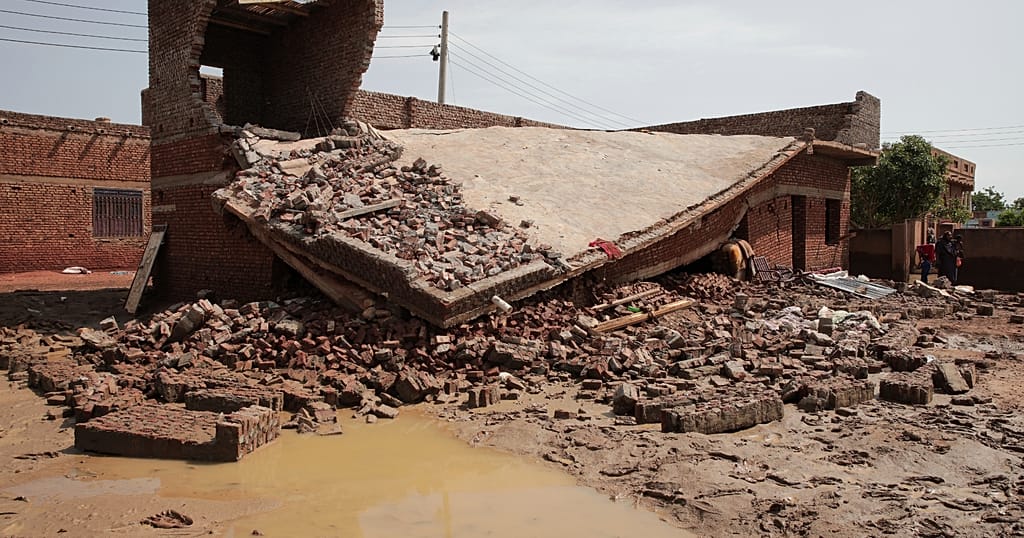
Civilian impacts are immediate and devastating. Strikes have triggered a 40% spike in displacement, with 200,000 people fleeing Kordofan since March 18, per IOM estimates. Markets like those in Akobo (South Sudan border) were hit, exacerbating the March 19 mass exodus. Psychologically, the constant buzz of drones—inaudible until impact—instills pervasive fear, unlike South Sudan's "prophet's sacred stick" narrative from AP News, where a mystical wooden relic fueled tribal violence in Jonglei. There, fighters invoke spiritual protection; in Kordofan, modern tech renders such folklore obsolete, driving migration patterns toward Chad and Ethiopia, with families abandoning fields mid-harvest. These developments in Kordofan drone strikes underscore the urgent need for enhanced monitoring and intervention in Sudan's escalating UAV conflicts.
Context & Background
Sudan's conflict traces a grim escalation from January 2026, laying groundwork for this drone pivot. On January 10, violence erupted in South Sudan, affecting civilians amid ethnic clashes. This snowballed on January 18 in Jonglei State, where escalating skirmishes displaced thousands, mirroring Kordofan's current chaos. The UN's January 20 report flagged 8 million Sudanese needing food aid, a direct fallout from SAF-RSF clashes post-April 2023 coup, compounded by border instabilities. For a comprehensive view of these rising tensions, refer to our Global Risk Index.
January 24 warnings highlighted risks to Sudan's Christian communities in RSF-held areas, while January 27 saw South Sudan escalations, including deadly camp attacks akin to March 18's incidents. Fast-forward to March 2026's recent timeline: March 17 RSF seizure of Bara (CRITICAL), March 18 Sudan-Chad border fighting killing 17 (HIGH) and Akobo displacements (MEDIUM), March 19 mass exodus from South Sudan (HIGH), March 22 RSF abuses in El Fasher (HIGH), March 24 Sudan crisis (CRITICAL), and March 30 South Sudan power struggle (MEDIUM). These events form a continuum: early ground violence evolved as factions acquired drones via black markets, turning proxy-supported stalemates into aerial asymmetries.
Historically, Sudan's wars—from Darfur 2003 to Blue Nile 2011—relied on AK-47s and technicals. Drones represent a paradigm shift, imported amid 2023-2026 arms flows. Eastern Chad updates confirm refugee corroboration of UAVs since January, but March marks weaponization, connecting January's instability to Kordofan's skies. This historical context reveals how drone warfare in Sudan has rapidly transformed from experimental use to a dominant strategy in the Kordofan theater.
Why This Matters
Drone integration uniquely reshapes regional alliances and civilian displacement in Kordofan, an underreported angle amid prior focus on famine or human rights. Strategically, UAVs prolong conflict by minimizing casualties for operators—SAF loses fewer pilots, RSF conserves mercenaries—while disrupting logistics. This creates new rivalries: Chad accuses Sudan of cross-border drones, straining AU mediation; South Sudan fears spillover, fracturing IGAD alliances. Potential suppliers like Turkey (Bayraktar TB2s to SAF) or Iran (to RSF) draw great powers—Russia via Africa Corps, UAE via airlifts—risking proxy escalation that fits into broader patterns seen in our WW3 Map: Strategic Assessment of Escalating Global Conflicts - 3/29/2026.
Humanitarian fallout is acute: strikes exacerbate displacement, with 1.2 million new IDPs since January, straining Chad's camps (Flash #49). Mental health crises surge—PTSD from "drone anxiety," per WHO analogs in Yemen—underreported amid famine risks. Unlike South Sudan's sacred stick rallying communities, drones atomize societies, accelerating urban flight to Khartoum or borders.
Globally, this influences perceptions: tech-exporting nations face scrutiny—will EU sanction drone parts? It signals Africa's "drone age," where cheap UAVs ($10k commercial mods) democratize lethality, bypassing sanctions. Original analysis: alliances fracture as losers seek arms (e.g., RSF-Wagner ties), while winners overextend, hastening fatigue. The implications of this Sudan drone warfare extend far beyond Kordofan, potentially altering global arms control discussions and conflict resolution strategies in volatile regions.
What People Are Saying
Social media erupts with horror. X user @SudanWitness (verified activist, 45k followers) tweeted March 29: "Drones over Kadugli tonight—buzz like death angels. 15 dead confirmed, kids screaming. #KordofanUnderFire" (12k likes). RSF-aligned @KhalifaVoice posted: "SAF drones are UAE toys terrorizing civilians. We will respond in kind." (8k retweets). UN's @CrisisGroup: "Drone escalation risks Chad incursion—confirmed strikes demand arms embargo." (5k likes).
Experts chime in: ICCT analyst Dr. Emily Winter tweeted: "Kordofan drones mirror Nagorno-Karabakh 2020—TB2s shifted balance. Sudan next?" South Sudanese journalist @JongleiEye: "From prophet's stick to Shaheds—tech trumps tradition, but fear unites us." Chadian official @OuaddaiGov: "Flash #49 confirms RSF drones hit our border. Refugees at 45k."
Catalyst AI Market Prediction
The World Now's Catalyst AI engine, analyzing Sudan's drone escalation as a geopolitical risk-off trigger akin to Mideast flares, predicts:
- BTC: Down (medium confidence) — Geopolitical risk-off triggers liquidation cascades in crypto as risk asset, amplified by $414M fund outflows. Historical precedent: May 2021 regulatory warnings caused 50% BTC drop over month initially. Key risk: institutional dip-buying on ETF flows reverses sentiment.
- SPX: Down (medium confidence) — Broad risk-off from African instability spills to global equities via algos de-risking. Historical precedent: Oct 2018 US-China tariffs, SPX -5% in days. Key risk: Oil beneficiaries offset.
- ETH: Down (medium confidence) — ETH follows BTC in risk-off cascade from geo headlines. Historical precedent: Feb 2022 Ukraine, ETH -12% in 48h. Key risk: Staking yields attract dip buyers.
- SOL: Down (medium confidence) — High-beta altcoin amplifies BTC risk-off selling on geo headlines via leveraged liquidations. Historical precedent: Feb 2022 Ukraine when SOL fell 15% in 48h. Key risk: Meme sentiment rebound ignores headlines.
Predictions powered by Catalyst AI — Market Predictions. Track real-time AI predictions for 28+ assets.
What to Watch
Escalations loom: cross-border drone incursions into Eastern Chad could prompt Chadian retaliation by mid-April, per Flash #49 tensions. International scrutiny heightens—UN sanctions on drone suppliers possible by May, mirroring Yemen. Humanitarian toll: refugee flows to 500k if aid routes (e.g., El Fasher-Darfur) disrupted, risking famine for 8M (UN Jan data). Stay updated via the Global Conflict Map — Live Tracking.
Predictive analysis: unsustainable tech advantages may shift to cyber-conflicts—hacking drone swarms—or accelerate talks, as RSF overextension mirrors Taliban 2021. De-escalation opportunities: IGAD-leveraged UAV surveillance for ceasefires, tech as peace tool. Watch SAF drone hubs in Port Sudan for strikes; South Sudan Jonglei for proxy flares. Confirmed trends point to May peak; unconfirmed Africa Corps involvement could globalize.
Looking Ahead: Implications for Global Stability
As drone warfare continues to redefine Sudan's conflict in Kordofan, the international community must prioritize diplomatic interventions to curb arms proliferation and protect civilians. Potential pathways include targeted sanctions on UAV suppliers, enhanced UN monitoring of cross-border activities, and leveraging regional bodies like IGAD for tech-neutral ceasefires. The integration of advanced UAVs not only prolongs the stalemate but also sets precedents for similar escalations in other African hotspots, necessitating proactive global strategies to mitigate risks of wider proxy wars and humanitarian disasters.
This is a developing story and will be updated as more information becomes available.