
Sudan Conflict Sees Army Claim of December Victory Dismissed by Analysts
A top Sudanese army official claimed that the ongoing civil war against the Rapid Support Forces will end by December 2026 following recent battlefield gains, but analysts dismissed the prediction as lacking credibility given past overstated forecasts. The Sudan conflict has drawn renewed attention after the army's reported advances, including the capture of a key road between El-Obeid and Omdurman.
Recent Military Developments and Army Claims
Yasser al-Atta, Sudanese Army chief of staff, made the claim in remarks to recently defected RSF fighters and tribal fighters, linking the strategy to the earlier recapture of Khartoum and current advances on multiple fronts including the capture of a key road between El-Obeid and Omdurman. [1] The Sudanese army's capture of a key road between El-Obeid and Omdurman has sparked claims from a top army official that the war will be over by the year's end. [1] Yasser al-Atta claimed in remarks made to recently defected fighters from the rival Rapid Support Forces and tribal fighters that the army sought to defeat the RSF by this December. [1] He added that the army is attempting to advance on all fronts across the country, in a strategy he linked to the recapture of Khartoum earlier in the war, according to the Sudan Tribune. [1] Sudanese army and allied forces recently repelled RSF attacks and captured strategic positions in two areas of North Darfur, where a senior RSF commander was killed. [2] Darfur governor says army and allied forces captured strategic positions as senior RSF commander killed in fighting. [2]
Analyst Skepticism of Victory Predictions
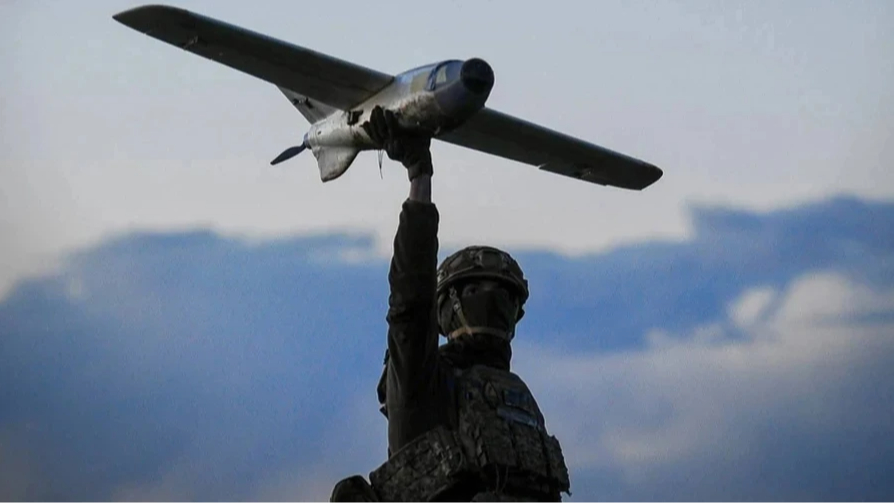
Analysts noted that al-Atta had previously predicted in April 2023 that the army would defeat the RSF within two weeks, and they argue the RSF possesses sufficient economic resources, regional support, and resilience as a multi-billion dollar entity to continue fighting beyond the end of the year. [1] Analysts, however, have shrugged off his claims, noting that he previously stated at the beginning of the war in April 2023 that the army would defeat the RSF in two weeks. [1] Kholood Khair, a nonresident fellow at Democracy for the Arab World Now and founder and director of Confluence Advisory, told The New Arab that Atta has overestimated the army and underestimated the RSF before, with recent claims coming from the celebrations of recent victories. [1] She noted that the RSF has enough economic weight and regional support to survive longer than the end of the year, despite the internal constraints of the group. [1] "No armed group in Sudan, no matter how small or weak, has ever disappeared, never mind one that's more multi-billion dollar cartel than it is armed group," she said. [1] "The SAF and RSF are fighting a war of succession to inherit Bashir's state; it's a war neither can win," she added, noting that the fragmented war economy and regional spillover, and the reliance on allied militia, make a military resolution unlikely. [1] {IMAGE_2}
Background and Origins of the Conflict
The conflict, which erupted in April 2023 between the Sudanese Armed Forces led by Abdul Fattah al-Burhan and the RSF led by Mohamed Hamdan Dagalo after a breakdown in their post-2021 coup power-sharing arrangement, has roots in the 2019 revolution against Omar al-Bashir. [1] Sudan's civil war has been ongoing since April 2023. [1] The war began off the back of a revolution against former dictator Omar al-Bashir at the tail end of 2018 into 2019, which established a power-sharing government between the military and a civilian government. [1] This was later usurped by a coup in 2021 led by the chief of the military, Abdul Fattah al-Burhan, who shared power with his deputy and head of the RSF, Muhammad Dagalo, known as Hemedti. [1] Their relationship broke down in April 2023 when war broke out between the two forces in Khartoum in April 2023, with fighting quickly spreading across the country. [1]
Impact on Civilians and Civic Space
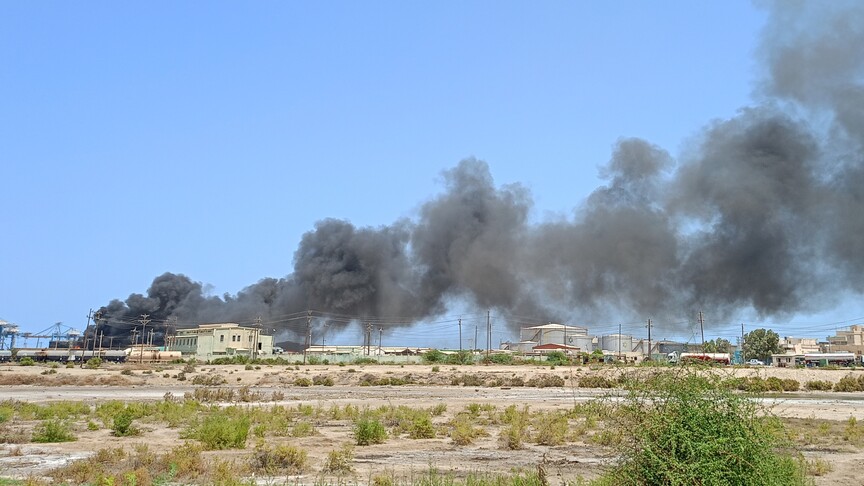
Both sides are simultaneously waging a war against civilians and civic rule, sidelining civilian voices in peace efforts and risking the proliferation of militias that could turn on each other, while the international community is urged to ensure civilian participation. [1] Khair told The New Arab that the "SAF and RSF are simultaneously fighting another war, one against civilians and civic rule", arguing that the longer the conflict continues, the harder it becomes to sustain civic resistance, leaving whichever side prevails to inherit a Sudan with "diminished civic resistance". [1] This was echoed by Mohaned Elnour, a former Nonresident Fellow at TIMEP and Sudanese human rights lawyer, who told The New Arab that civilians have been sidelined in this war by both military parties and the international community. [1] Elnour warned of the risk of "mushrooming militias" fighting on both sides, many of them powerful, difficult to control and already under international sanctions. [1] He cautioned that such groups could eventually turn on one another, noting that this was how the RSF itself first emerged. [1] "Unless genuine civilians are on the table, it will be another cake-sharing deal to award war criminals and warlords," Elnour said. [1] "It's not an easy task for civilians to participate as neither the SAF nor the RSF and the militias behind them want this, as accountability and justice will be centred on civilians," he added. [1] "As both depend on external actors, the international community, which failed to stop these intervening actors, especially the UAE, must ensure the participation of civilians." [1] {IMAGE_3}
Humanitarian Crisis Overview
The war has created the world's largest humanitarian crisis, with 35 million Sudanese requiring assistance amid systemic societal collapse, unprecedented displacement, violence, disease, and the hollowing out of public services. [3] Sudan's humanitarian crisis has become one of the defining yet least visible crises of the twenty first century. [3] The conflict can no longer be understood merely through the lens of shifting frontlines or military developments. [3] Rather, it presents a picture of systemic societal collapse, in which war has hollowed out public services, displaced entire communities, accelerated disease, and created conditions of suffering. [3] The Sudan crisis continues to represent one of the world's most severe humanitarian emergencies, with the conflict between the Sudanese Armed Forces and Rapid Support Forces driving unprecedented levels of displacement, violence, and suffering. [4] The Sudan crisis continues to represent one of the world's most severe humanitarian emergencies, with the conflict between the Sudanese Armed Forces and Rapid Support Forces driving unprecedented levels of displacement, violence, and suffering. [5]
Regional Fighting in Darfur
Sudanese army and allied forces recently repelled RSF attacks and captured strategic positions in two areas of North Darfur, where a senior RSF commander was killed. [2] Darfur governor says army and allied forces captured strategic positions as senior RSF commander killed in fighting. [2]
What to watch next: Analysts argue that neither the SAF nor the RSF can achieve outright military victory, while the international community faces pressure to ensure civilian participation in any resolution to prevent further sidelining of civic voices.