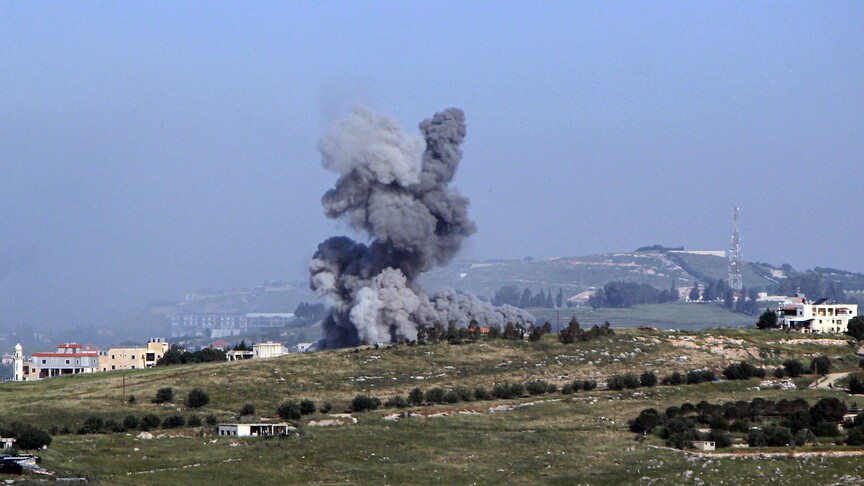

Conflict in Lebanon Displaces Over 1 Million Amid Rising Tensions
More than one million people remain displaced in Lebanon due to the ongoing conflict in Lebanon.[1][4] This persistent displacement crisis has prompted significant humanitarian interventions, including the airlifting of over 4,500 emergency shelter and household items to Beirut.[1] Meanwhile, military tensions persist, with reports indicating the Israeli army is preparing to expand ground operations pending political approval, even as a ceasefire is in place.[2] Official figures highlight the human toll, with 2,702 fatalities and 8,311 injuries recorded since 2 March 2026, alongside 125,621 internally displaced people currently hosted in collective shelters.[4]
Current Displacement and Humanitarian Needs
The scale of displacement in Lebanon underscores the profound humanitarian challenges posed by the conflict. As of recent reports, more than one million people remain displaced nationwide, with many families having been forced to flee multiple times due to repeated displacement orders.[1] This figure aligns closely with data from Lebanon's government relief platform, which registered 1,049,328 displaced people as of 1 April 2026.[4] The ongoing situation has led to a surge in humanitarian needs, prompting coordinated relief efforts to provide essential support.
A key response to these needs was the airlift of more than 4,500 emergency shelter and household items from Maastricht to Beirut on 11 May 2026, facilitated through an EU Humanitarian Air Bridge.[1] This shipment arrived at a critical juncture, as displaced populations continue to require basic necessities amid repeated movements. The International Organization for Migration (IOM), based in Geneva and Beirut, highlighted the urgency, noting that the delivery addresses immediate shelter gaps for those affected.[1]
Complementing these efforts, updates from 6 May 2026 indicate that 125,621 internally displaced people (IDPs) are currently hosted in collective shelters across the country.[4] These shelters number 622 operational emergency collective sites, managed under the Disaster Risk Management (DRM) framework.[4] Such infrastructure plays a vital role in providing temporary refuge, though the high occupancy rates reflect the strain on resources. The combination of airlifted aid and shelter operations illustrates a targeted approach to mitigating the immediate impacts of displacement, ensuring that essential items reach those most in need during this period of heightened vulnerability.[1][4]
The persistence of over one million displaced individuals, coupled with multiple flight instances, points to the protracted nature of the crisis.[1] Government-registered figures provide a baseline for planning, while real-time shelter data offers insights into current hosting capacities.[4] These metrics are essential for scaling up responses, as the humanitarian needs continue to evolve with each development in the conflict.
Military Developments and Ceasefire Status

Displaced people in Lebanon receiving emergency aid in Beirut. — Source: ocha
Reports from Israeli media indicate that the Israeli army is preparing to widen its ground operations in Lebanon, with plans pending approval from political leaders.[2] This development comes despite an official ceasefire, raising questions about the stability of the truce. Channel 12 in Israel has detailed these preparations, emphasizing the military's readiness to expand amid ongoing dynamics.[2]
Further complicating the situation, there have been continued attacks on both sides even after the ceasefire was established.[2] Separate coverage notes that Israeli killings in Lebanon have risen, with Israel and Hezbollah increasing their attacks on each other.[5] This escalation challenges the ceasefire's effectiveness, as hostilities persist despite formal agreements. The military's anticipation of broader ground operations suggests a potential shift in strategy, contingent on political green lights.[2]
The context of these preparations highlights the fragile nature of the current pause in fighting. While the ceasefire aims to halt major engagements, reports of sustained actions indicate underlying tensions that could lead to further intensification.[2][5] Political approval remains a pivotal factor, as military moves are not advancing without higher-level endorsement.[2] This interplay between military readiness and political decision-making underscores the precarious balance in the region.
Such developments occur against a backdrop of recent mutual attacks, where both parties have ramped up operations.[5] The rise in reported killings points to a possible erosion of restraint, even under ceasefire terms.[5] Observers note that these patterns could influence future trajectories, particularly if ground expansions materialize.[2]
Key Statistics from Recent Updates
The latest verified data from official reports provides a clear picture of the conflict's impact in Lebanon. According to the UN High Commissioner for Refugees (UNHCR) Flash Update #10, covering 4 to 10 May 2026, there have been 2,702 fatalities since 2 March 2026, as reported by the Ministry of Public Health (MoPH) on 6 May.[4] Injuries stand at 8,311 over the same period, also per MoPH data from 6 May.[4]
Displacement metrics are equally stark. Lebanon's government relief platform, managed by the Ministry of Social Affairs (MoSA), registered 1,049,328 displaced people as of 1 April 2026.[4] More current figures from DRM on 6 May show 125,621 internally displaced people hosted in collective shelters, supported by 622 operational emergency collective shelters.[4] These numbers reflect the scale of internal movements triggered by the conflict.
Additional data points to cross-border movements, with 321,666 Syrians having crossed back to Syria, indicating secondary effects on neighboring populations.[4] This statistic, drawn from the same flash update, highlights the regional ripple effects of the crisis in Lebanon.
These figures, compiled from government and UN sources, offer a snapshot grounded in official tracking mechanisms. The MoPH casualty counts provide a tally of the human cost since early March, while MoSA and DRM data track displacement and shelter usage.[4] Such statistics are crucial for humanitarian planning, enabling precise allocation of resources based on verified needs. The consistency across these reports reinforces their reliability for assessing the situation as of early May 2026.[4]
International Response to the Crisis

A map shows the Middle East situation in Lebanon during the flash update for 4-10 May 2026. — Source: reliefweb
International organizations have mobilized to address the humanitarian fallout in Lebanon. A prominent example is the airlift of over 4,500 emergency shelter and household items to Beirut on 11 May 2026, conducted via an EU Humanitarian Air Bridge from Maastricht.[1] The International Organization for Migration (IOM) coordinated this effort from Geneva and Beirut, targeting the surging needs of more than one million displaced people.[1]
This operation underscores the role of global partnerships in delivering aid swiftly to conflict-affected areas. The timing of the shipment aligns with reports of families fleeing multiple times, emphasizing its relevance to immediate relief.[1]
Broader international attention is evident in updates from the UN Office for the Coordination of Humanitarian Affairs (OCHA), which listed Lebanon among top news priorities on 11 May 2026, alongside other global crises.[3] OCHA's focus highlights the coordinated monitoring and response at the UN level.
The UNHCR's Flash Update #10 further documents international involvement through data aggregation from local authorities like MoSA, DRM, and MoPH.[4] While not detailing specific new pledges, these updates support global situational awareness essential for donor mobilization.[1][3]
These efforts represent a multifaceted international commitment, blending air bridge logistics with data-driven reporting. The EU-IOM airlift directly bolsters shelter capacities, while UN agencies like OCHA and UNHCR amplify visibility and verification.[1][3][4]
Overview of Recent Events
Recent developments in Lebanon encompass both humanitarian aid milestones and military frictions. On 11 May 2026, OCHA featured Lebanon in its top news roundup, signaling ongoing global scrutiny of the situation.[3] This coverage coincides with the IOM's airlift announcement, framing a week of heightened relief activity.[1][3]
Military-wise, the Israeli army's preparations to expand ground operations, as reported by Channel 12, mark a significant update despite the ceasefire.[2] Continued attacks persist, with Israel and Hezbollah escalating mutual strikes.[5] Al Jazeera coverage questions the ceasefire's viability amid rising Israeli killings.[5]
These events, from 4-10 May per UNHCR updates to 11 May airlifts, paint a picture of a multifaceted crisis.[3][4][5] Aid deliveries counter displacement, while military reports suggest potential escalations.[1][2]
The interplay of these threads—relief shipments, shelter data, and attack reports—defines the recent timeline.[3][5]
What to Watch Next
Key developments to monitor include potential political approval for Israeli ground operation expansions in Lebanon,[2] continued surges in humanitarian needs prompting further aid airlifts like the recent EU-IOM shipment,[1] and updates to casualty and displacement figures from MoPH, MoSA, and DRM reports.[4] Ongoing attacks despite the ceasefire could further strain relief efforts.[5]