Strike in Lebanon: Israel Must Fully Implement Ceasefire for Talks
Israel's continued airstrikes in Lebanon are violating the ceasefire, with Lebanese President Aoun stating that such actions must stop for direct talks to proceed.[1] In the latest strike Lebanon developments, these incidents have heightened tensions, prompting warnings from international bodies and demands from Lebanese officials for full compliance with the truce.
Overview of Ceasefire Violations
The ongoing airstrikes by Israel in Lebanon represent a series of breaches to the recently established ceasefire agreement, as highlighted by statements from Lebanese leadership and reports of continued military actions.[1] President Aoun has explicitly linked the cessation of these strikes to the possibility of advancing direct talks between the parties involved. According to his position, Israel's persistent operations in Lebanese territory undermine the truce and create obstacles to diplomatic progress.[1] This stance reflects a broader concern that partial adherence to the ceasefire is insufficient; full implementation is required to foster an environment conducive to negotiations.
Reports indicate that these violations are not isolated but part of a pattern amid the fragile post-ceasefire period.[3] The destruction caused by airstrikes, even after the truce was announced, points to a lack of restraint that contravenes the spirit and letter of the agreement.[1] Lebanese authorities have emphasized that such actions perpetuate instability, particularly in southern Lebanon, where the strikes have been concentrated.[1] Aoun's call for an end to the strikes underscores the necessity of mutual compliance, suggesting that without Israel's complete withdrawal from aggressive postures, no meaningful dialogue can occur.[1]
This overview of ceasefire violations reveals a critical juncture where military actions are directly impeding political resolutions. The insistence on full truce implementation before talks proceed highlights the interconnectedness of security guarantees and negotiation readiness.[1] As these breaches continue, they erode trust built during ceasefire negotiations, potentially prolonging conflict dynamics in the region. The situation demands attention to ensure that the truce serves as a foundation for lasting de-escalation rather than a temporary pause.[1]
Recent Incidents in Southern Lebanon
Southern Lebanon has been the epicenter of several recent incidents involving Israeli strikes, including the killing of a Lebanese soldier and his brother.[4][5] The Lebanese army confirmed that an Israeli strike targeted a motorcycle carrying the soldier and his sibling, resulting in their deaths.[4][5] Military officials are reviewing the incident to assess further details, but the immediate outcome has been described as a direct consequence of the airstrike.[4]
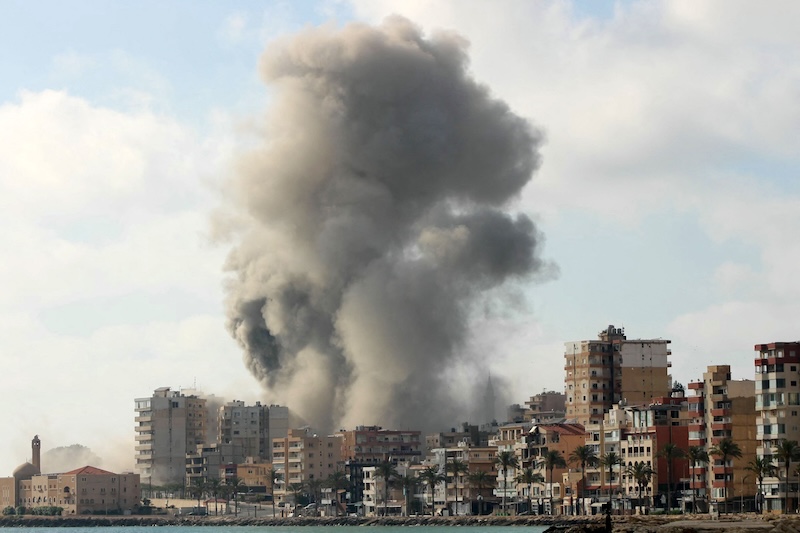
Another significant event in this strike Lebanon sequence was the destruction of a century-old heritage house by an Israeli airstrike.[3] This strike occurred in southern Lebanon and was reported amid Israel's continued ceasefire breaches, illustrating the scope of operations despite the truce.[3] These incidents collectively paint a picture of heightened military activity post-ceasefire, with precise targeting leading to loss of life and property damage.[3][4][5]
The Lebanese army's confirmation of the soldier's death adds gravity to the reports, as it involves active military personnel alongside a civilian relative.[5] Such events in southern Lebanon exacerbate local vulnerabilities, where communities are caught between ongoing violations and the need for stability.[4] The motorcycle strike, in particular, highlights the precision and immediacy of the attacks, prompting internal reviews by Lebanese forces to understand the circumstances.[4] Meanwhile, the heritage house destruction serves as a tangible marker of cultural impact from these operations.[3]
These recent incidents underscore a pattern of engagement that challenges the ceasefire's efficacy, with southern Lebanon bearing the brunt of the consequences.[3][4][5]
{IMAGE_2}
International Responses and Warnings
The United Nations has issued stark warnings regarding the situation in southern Lebanon following deadly strikes, describing it as fragile.[2] A UN spokesman emphasized that attacks on civilians are not only unacceptable but constitute violations of international humanitarian law.[2] This response comes in the wake of recent airstrikes that have resulted in casualties and destruction, prompting global concern over the potential for escalation.[2]
The UN's assessment points to the precarious balance in the region, where continued strikes risk unraveling the ceasefire entirely.[2] By highlighting the legal ramifications of civilian-targeted actions, the international body is calling for adherence to established norms that protect non-combatants during conflicts.[2] This warning serves as a reminder of the broader implications for regional stability, urging all parties to exercise restraint.[2]
Such statements from the UN amplify the diplomatic pressure on those involved, positioning the fragile situation as a flashpoint that requires immediate international monitoring and intervention if necessary.[2] The emphasis on international humanitarian law violations reinforces the global consensus against actions that endanger civilian lives amid ceasefire periods.[2]
Impact on Civilians and Heritage
The strikes in southern Lebanon have had profound effects on both civilians and cultural landmarks, as evidenced by multiple reports.[2][3][4] A Lebanese soldier and his brother, who was likely a civilian, were killed in an Israeli strike, demonstrating the direct human toll on individuals traversing the area.[4] This incident, confirmed by the Lebanese army, illustrates how military actions can extend to non-combatants, aligning with UN concerns over attacks on civilians.[2][4]
Furthermore, the destruction of a century-old heritage house in southern Lebanon by an Israeli airstrike represents a significant cultural loss.[3] Occurring amid ceasefire breaches, this event deprives the region of a historical site that had stood for generations.[3] The UN's condemnation of civilian attacks as violations of international humanitarian law encompasses such broader impacts, where heritage sites become collateral damage.[2][3]
These consequences highlight the multifaceted harm from ongoing strikes: loss of life for a soldier and his brother shatters families and military morale, while the heritage house's obliteration erases tangible links to Lebanon's past.[3][4] Civilians in southern Lebanon face heightened risks, as articulated by the UN, with fragile conditions exacerbating vulnerabilities.[2] The combination of deadly outcomes and cultural destruction underscores the urgent need to protect both human and historical assets during truces.[2][3][4]
{IMAGE_3}
Lebanon's Official Stance
Lebanese officials, including President Aoun, have firmly stated that Israel's full implementation of the truce is a prerequisite for any further negotiations.[1] Aoun stressed that continued strikes cannot persist if direct talks are to materialize, positioning security compliance as non-negotiable.[1] This official position ties military restraint directly to diplomatic avenues.[1]
The Lebanese army's reports on specific incidents, such as the strike killing a soldier and his brother, reinforce this stance, with ongoing reviews indicating a commitment to documenting violations.[4][5] Officials emphasize that these events are symptomatic of incomplete truce adherence, demanding comprehensive cessation of hostilities.[1][4][5]
Lebanon's leadership views full truce implementation not merely as a ceasefire measure but as the bedrock for trust-building ahead of talks.[1] By highlighting the soldier's death and broader strikes, authorities underscore the human cost of breaches, urging international attention.[4][5] This resolute position aims to leverage diplomatic pressure for de-escalation.[1]
Analysis of Ceasefire Breaches and Diplomatic Hurdles
The pattern of ceasefire violations, including strikes that have led to fatalities and destruction, complicates the path to direct talks.[1][3] President Aoun's insistence on full implementation reveals a strategic Lebanese approach, where unresolved breaches halt progress.[1] Incidents like the heritage house airstrike and the soldier's killing exemplify the tangible breaches that fuel this demand.[3][4][5]
International warnings from the UN about the fragile situation and humanitarian law breaches add weight to Lebanon's calls, creating a chorus for compliance.[2] These elements collectively illustrate how ongoing actions in southern Lebanon impede resolution, with officials prioritizing security before dialogue.[1][2] The diplomatic hurdles are thus rooted in these verifiable incidents, demanding resolution for advancement.[1][3][4]
What to watch next: Lebanon's requirement for Israel to fully implement the truce before direct talks proceed,[1] alongside UN monitoring of the fragile situation in southern Lebanon after deadly strikes.[2]