
Strikes in Lebanon Kill 14 Despite Ceasefire
Israeli strikes in southern Lebanon killed 14 people and triggered mass displacement, despite a ceasefire that took effect on April 17.[1][2][3][4] Lebanon's health ministry reported that the strikes wounded 37 people, marking the deadliest day since the ceasefire began.[2][3] Israel and Hezbollah have exchanged accusations of violating the truce, with Israel targeting Hezbollah and the group responding to perceived breaches.[2] The Israeli military warned residents to leave seven towns beyond the buffer zone, as hostilities continue.[3] Israeli strikes have cut off the road to the southern town of Kafra, amid ongoing breaches of the ceasefire.[4]
Recent Strikes in Southern Lebanon
The recent Israeli strikes in southern Lebanon represent a significant escalation in military activity following the implementation of a ceasefire intended to pause the Israel-Hezbollah conflict.[1][4] Reports indicate that the Israeli army conducted operations that not only inflicted casualties but also prompted widespread displacement among local populations.[1] These actions occurred on Sunday, targeting areas in the south of the country, and have been described as fresh strikes amid accusations of truce violations.[4]
The strikes have disrupted access to key locations, including severing the road leading to the southern town of Kafra, which complicates movement and aid delivery in the region.[4] This development underscores the fragility of the post-ceasefire environment, where military engagements persist despite the formal truce that began on April 17.[4] The Israeli military's operations appear focused on southern Lebanon, a hotspot of previous hostilities between Israel and Hezbollah, leading to immediate effects on civilian infrastructure and mobility.[1]
Eyewitness accounts and official reports highlight how these strikes have reignited tensions in an area already strained by prior conflict. The mass displacement triggered by the strikes points to a pattern of preemptive or responsive military measures that displace communities, forcing thousands to flee their homes in search of safety.[1] While the exact targets of the strikes remain tied to Israeli assertions of targeting Hezbollah positions, the broader impact has been felt across southern Lebanese communities, exacerbating the humanitarian challenges in the wake.[1][4]
Casualties and Displacement
The human toll from the Israeli strikes in southern Lebanon has been severe, with Lebanon's health ministry confirming 14 deaths and 37 injuries on Sunday.[2][3] This incident marks the deadliest single day since the ceasefire took effect over a week prior, highlighting the ceasefire's inability to fully prevent loss of life.[2] The wounded were reported across various strikes in the south, overwhelming local medical facilities and straining emergency response capabilities.[3]
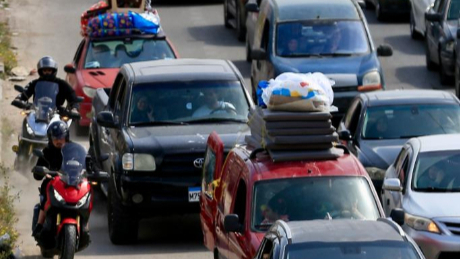
Beyond the fatalities and injuries, the strikes have triggered mass displacement, as residents in affected areas were compelled to evacuate amid ongoing military actions.[1][3] The Israeli military's warnings to leave seven towns beyond the buffer zone it occupied prior to the ceasefire have directly contributed to this exodus, with families abandoning homes in fear of further bombardment.[3] This buffer zone, established as part of the ceasefire framework, was meant to separate forces, yet hostilities have spilled over, forcing civilians into precarious situations.[3]
The displacement extends the suffering of communities already impacted by the protracted Israel-Hezbollah war, where repeated strikes have eroded stability. Health ministry figures provide a stark measure of the violence's immediacy, with the 14 killed and 37 wounded reflecting concentrated attacks that have not abated despite diplomatic efforts.[2][3] Reports from the ground emphasize how these events have upended daily life, with roads blocked and towns isolated, compounding the displacement crisis.[1][3]
Accusations of Truce Violations
Israel and Hezbollah have engaged in a heated exchange of blame over violations of the Lebanon truce, intensifying the diplomatic and rhetorical standoff.[2] Prime Minister Benjamin Netanyahu stated that the Israeli military was "vigorously" targeting Hezbollah, framing these actions as necessary responses to threats.[2] In retaliation, Hezbollah has vowed to continue responding to what it perceives as Israeli violations, accusing Tel Aviv of breaching the fragile agreement.[2]
These mutual accusations come in the wake of the Sunday strikes that killed 14, which both sides have cited as evidence of the other's non-compliance.[2] The ceasefire, which began over a week ago, was intended to halt the year-long conflict, yet fresh claims of breaches have eroded trust from the outset.[2] Hezbollah's statements underscore a commitment to counter perceived aggressions, while Israel's position emphasizes proactive measures against the Iran-backed group.[2]
The trading of accusations reflects deeper challenges in enforcing the truce, where each party interprets military movements through the lens of self-defense. Netanyahu's comments signal an ongoing operational tempo against Hezbollah, potentially justifying strikes as defensive, even as they provoke responses.[2] This cycle of claims and counter-claims has kept the region on edge, with no immediate resolution in sight.[2]
Military Actions and Warnings
Israeli military actions in southern Lebanon have included targeted strikes and strategic advisories to civilians, amid persistent hostilities post-ceasefire.[3][4] The army warned residents of seven towns located beyond the buffer zone to evacuate, a directive issued as strikes continued, indicating preparations for potential further operations.[3] These towns fall outside the area Israel occupied before the truce, yet the advisories suggest an expansion of military focus.[3]
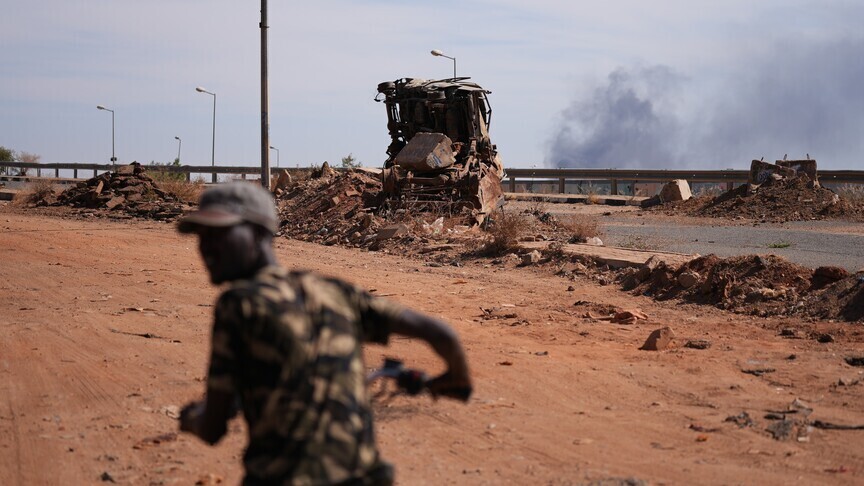
Concurrently, strikes have physically isolated areas, such as cutting off the road to Kafra, a southern town now inaccessible due to the attacks.[4] This severance hampers civilian movement and underscores the tactical nature of the operations, which aim to control key routes and positions.[4] The ceasefire's failure to fully halt such activities points to unresolved security concerns driving Israel's posture.[3][4]
These warnings and strikes are part of a broader pattern where the Israeli forces maintain a heightened state of readiness, responding to perceived threats from Hezbollah.[3] The buffer zone serves as a critical demarcation, but encroachments and responses have blurred lines, leading to civilian advisories that prioritize safety amid active combat.[3] Operations like those severing access to Kafra demonstrate how military maneuvers directly impact local geography and populations.[4]
Current Status of the Ceasefire
The ceasefire between Israel and Hezbollah, effective from April 17, faces substantial challenges, as evidenced by the recent strikes and ongoing accusations.[2][4] Described as fragile, the truce has not succeeded in completely stopping hostilities, with Sunday's events—the deadliest since its inception—illustrating persistent violations.[2][3] Israel's continued strikes, including those amid Tel Aviv's alleged breaches, signal that enforcement mechanisms remain weak.[4]
Traded accusations between Netanyahu's government and Hezbollah highlight a lack of mutual adherence, with both sides claiming the right to respond to infractions.[2] The buffer zone and evacuation warnings further indicate that territorial and operational disputes endure, preventing a full de-escalation.[3] Over a week into the agreement, the mass displacement and casualties from strikes in southern Lebanon reveal the ceasefire's tenuous hold.[1][2]
Despite its aims to end the Israel-Hezbollah war, the truce operates in a context of vigorous military targeting and vowed responses, casting doubt on its longevity.[2][4] The road cutoff to Kafra exemplifies how physical breaches compound rhetorical ones, maintaining a state of low-level conflict.[4]
What to watch next: Monitor Israeli military advisories for additional towns and Hezbollah's responses to strikes, as ongoing accusations and operations like the Kafra road cutoff could signal further truce erosions.[2][3][4]