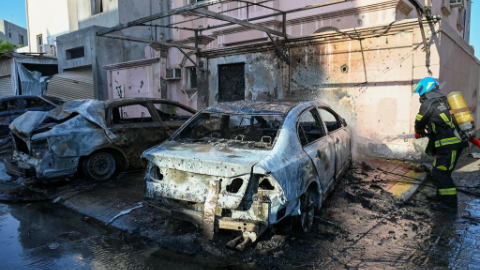
Strike in Ukraine: Worker Killed at Zaporizhzhia Nuclear Plant
A worker at the Zaporizhzhia nuclear power plant was killed in a drone attack during a strike Ukraine has been linked to by Russian-installed management at the facility, as cross-border attacks between Russia and Ukraine intensify.[1][2][3] These ongoing exchanges have resulted in reported casualties on both sides, oil spills along the Black Sea, and competing claims over territorial control, underscoring the persistent volatility in the conflict zone.[1]
Overview of Recent Cross-Border Attacks
The cross-border attacks between Russia and Ukraine continue to escalate, marked by a series of deadly strikes that have drawn international attention due to their scope and targets.[1] Russia has reported two deaths stemming from these incidents, while Ukraine has claimed 14 injuries, highlighting the toll on civilian and infrastructure targets alike.[1] The exchanges involve mutual accusations, with both sides trading strikes that have impacted key areas, including energy facilities and coastal regions.[1] Oil spills have been noted on both sides of the Black Sea, adding an environmental dimension to the military actions and potentially complicating recovery efforts in the region.[1] Moscow has asserted gains in control over two settlements amid these operations, framing them as advances in the broader conflict.[1] This pattern of reciprocal attacks reflects a sustained phase of hostilities, where each side attributes responsibility to the other for strikes on sensitive infrastructure, such as the Zaporizhzhia nuclear power plant.[1][2] The continuity of these strikes, as documented in recent reports, points to a cycle of retaliation that has persisted without immediate de-escalation, affecting multiple fronts from urban centers to strategic energy sites.[1]
Incident at Zaporizhzhia Nuclear Plant
A drone attack attributed to Ukraine struck the Zaporizhzhia nuclear power plant, resulting in the death of one worker, according to the management installed by Russia at the captured facility.[2][3] The plant, under Russian control, has been a focal point of tension, with this incident marking a direct hit on its personnel.[2] Managers at the site specifically reported the fatality, emphasizing the drone's role in the strike Ukraine is accused of launching.[3] This event occurs within the context of the plant's strategic importance, as it remains operational under contested administration, raising concerns about the safety of nuclear infrastructure amid active combat.[2][3] The Russian-installed oversight at Zaporizhzhia has consistently highlighted such attacks as Ukrainian aggression, positioning the facility as a vulnerable target in the ongoing conflict.[2] Details from the management indicate the worker was killed outright in the drone strike, with no further specifics on damage to the plant's reactors or systems provided in immediate reports.[3] This strike Ukraine is blamed for underscores the risks to nuclear sites, where even localized incidents can amplify fears of broader radiological consequences, though no such escalation has been confirmed in this case.[2][3]
Reported Casualties and Injuries
Casualties from the recent cross-border attacks have been reported differently by each side, with Russia stating two dead overall and Ukraine reporting 14 injured.[1][2] The death at the Zaporizhzhia nuclear plant contributes to Russia's tally, as the worker was killed in the drone attack on the facility.[1][2] These figures illustrate the human cost of the strikes, with Russia's reports encompassing losses from Ukrainian actions, including the power plant incident.[1] Ukraine's claim of 14 injured likely stems from Russian strikes, such as those on Odesa, though exact breakdowns remain unverified across sources.[1] The discrepancy in numbers reflects the challenges in confirming tolls during active hostilities, where each party reports from their perspective.[1][2] Russia's two dead include the Zaporizhzhia worker, explicitly tied to a Ukrainian drone strike by plant management.[2] Meanwhile, Ukraine's injuries highlight the impact on its territory, potentially from aerial or missile assaults.[1] These reports, drawn from official statements, provide a snapshot of the immediate aftermath, with the power plant death standing out due to its location at a critical energy site.[1][2]
Other Related Incidents
Beyond the nuclear plant, Russia has conducted attacks on Odesa, a key Ukrainian port city, as part of the broader strike Ukraine and Russia have exchanged.[1][2] These assaults on Odesa coincide with the cross-border operations, contributing to Ukraine's reported 14 injured.[1][2] Oil spills have also been documented on both sides of the Black Sea, likely resulting from strikes on maritime or coastal infrastructure, which could affect shipping lanes and ecosystems in the region.[1] The spills add a layer of environmental fallout to the military actions, with reports indicating occurrences linked to the ongoing attacks.[1] Russia's strikes on Odesa, as claimed, target urban and logistical hubs, aligning with patterns of hitting Black Sea-adjacent areas.[2] These incidents, including the oil contamination, compound the operational challenges for both sides, as cleanup and mitigation efforts intersect with continued hostilities.[1] The combination of aerial attacks on cities like Odesa and environmental damage from spills paints a picture of multifaceted impacts from the strikes.[1][2]
Claims by Involved Parties
Russia has claimed control of two settlements amid the cross-border attacks, presenting these as territorial gains during the exchanges with Ukraine.[1] Moscow attributes the drone strike on the Zaporizhzhia nuclear plant to Ukraine, with plant managers reinforcing this by reporting the worker's death from a Ukrainian drone attack.[1][2][3] These assertions frame Russian actions, including strikes on Odesa, as responses to Ukrainian aggression.[2] Ukraine, in turn, reports 14 injured from what it views as Russian incursions, countering with its own strikes.[1] The competing narratives center on responsibility for casualties and infrastructure hits, with Russia highlighting the nuclear plant incident to underscore Ukrainian targeting of sensitive sites.[2] Moscow's control claims over settlements accompany reports of two dead, tying military advances to the defense against strikes.[1] Each side's statements, as covered in media, sustain a cycle of accusation, with the Zaporizhzhia event cited by Russian sources as emblematic of Ukrainian escalation.[1][2][3]
What to watch next: Monitoring will focus on potential further strikes on energy infrastructure like Zaporizhzhia, responses to the reported oil spills in the Black Sea, and developments around Moscow's claimed control of the two settlements, as cross-border attacks persist.[1][2]