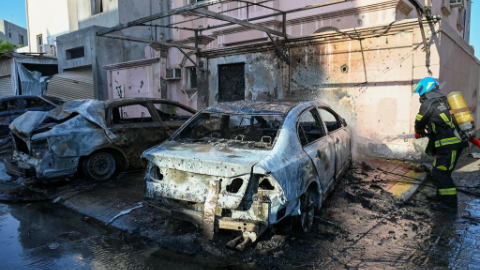
Strike in Lebanon: 14 Killed in Israeli Attacks Despite Ceasefire
Israeli strikes in southern Lebanon have killed 14 people and triggered mass displacement, despite a ceasefire that took effect on April 17.[2][3][4]
Overview of the Strikes
The recent Israeli military actions in southern Lebanon represent a significant escalation in hostilities following the implementation of a ceasefire aimed at ending the Israel-Hezbollah conflict.[1][3] On Sunday, the Israeli army conducted strikes across the region, which Lebanon's health ministry described as the deadliest incident since the truce came into force over a week prior.[2][3] These operations have not only resulted in substantial human casualties but have also prompted widespread displacement among local populations, as families fled areas targeted by the military.[1]
The strikes occurred in a context where the ceasefire, effective from April 17, was intended to create a buffer zone and halt ongoing fighting between Israeli forces and Hezbollah militants.[3][4] However, the Israeli military's actions suggest that the truce has not fully contained the violence, with operations extending beyond previously occupied areas.[3] Reports indicate that the strikes were part of a broader campaign, targeting positions associated with Hezbollah, amid claims of truce violations by both sides.[2] This overview underscores the fragility of the agreement, as military engagements continue to disrupt daily life in southern Lebanon, forcing residents to navigate ongoing threats.[1][3]
The immediate effects of these strikes have been profound, cutting off access to key areas and exacerbating the humanitarian situation.[4] Israeli forces have maintained a presence in a buffer zone, but the expansion of warnings and strikes into adjacent towns highlights the challenges in enforcing the ceasefire terms.[3] Analysts note that such actions reflect Israel's determination to neutralize perceived threats from Hezbollah, even as diplomatic efforts to stabilize the region falter.[2] The strikes' scope and intensity mark a departure from the relative calm anticipated post-ceasefire, raising questions about the truce's viability.[1][3]
Casualties and Displacement
Lebanon's health ministry reported that the Israeli strikes resulted in 14 people killed and 37 wounded, making it the deadliest day since the ceasefire began.[2][3] These figures highlight the severe toll on civilians and combatants alike in southern Lebanon, where communities have borne the brunt of the renewed violence.[3] The wounded were treated in local hospitals, with medical teams overwhelmed by the influx of casualties from multiple strike sites.[2]
In addition to the loss of life, the strikes have triggered mass displacement, as residents evacuated their homes en masse.[1][3] The Israeli military issued warnings for people to leave seven towns located beyond the buffer zone it had occupied prior to the ceasefire, prompting thousands to flee northward.[3] This displacement has strained resources in safer areas, with families reporting difficulties in securing shelter and basic necessities amid the chaos.[1] The failure of the ceasefire to fully halt hostilities has left these communities in a precarious state, repeatedly uprooted by military operations.[3]
The human cost extends beyond immediate injuries, as the ongoing threat of further strikes has created a climate of fear, disrupting access to essential services like healthcare and education.[2] Reports from the ground describe scenes of panic, with roads clogged by fleeing vehicles and makeshift camps forming in adjacent regions.[1] This wave of displacement echoes patterns seen earlier in the conflict, where Israeli operations aimed at degrading Hezbollah infrastructure have inadvertently—or directly—affected civilian populations.[3]
Accusations and Truce Violations
Israel and Hezbollah have exchanged sharp accusations over violations of the Lebanon truce, intensifying tensions despite the ceasefire's recent implementation.[2][4] Prime Minister Benjamin Netanyahu stated that the Israeli military was "vigorously" targeting Hezbollah positions, framing the strikes as necessary responses to breaches by the Iran-backed group.[2] In retaliation, Hezbollah vowed to continue responding to what it described as Israeli violations, signaling no intention to stand down.[2]
These mutual recriminations come amid a fragile truce that took effect on April 17, which both sides have accused the other of undermining.[4] Lebanon's health ministry's report of 14 deaths on Sunday underscores the scale of the alleged violations, with Israel claiming its actions target only militant infrastructure.[2][3] Hezbollah, for its part, has portrayed the strikes as unprovoked aggression, further eroding trust in the ceasefire mechanism.[2]
The exchange of blame has complicated international efforts to monitor and enforce the truce, as independent verification of violations remains challenging in the contested border region.[2][4] Netanyahu's public statements emphasize Israel's right to self-defense, positioning the military operations as defensive measures against Hezbollah's provocations.[2] Meanwhile, Hezbollah's pledges of retaliation suggest a cycle of escalation that could unravel the agreement entirely.[2]
Specific Incidents and Warnings
Fresh Israeli strikes have specifically cut off the road to the southern town of Kafra, amid continued breaches of the April 17 ceasefire.[3][4] This incident isolated the community, preventing access to supplies and evacuation routes for residents trapped in the area.[4] The strikes on this key roadway exemplify how targeted military actions are disrupting connectivity and mobility in southern Lebanon.[3]
Complementing these operations, the Israeli military issued explicit warnings to residents of seven towns beyond the pre-ceasefire buffer zone, urging immediate evacuation to avoid harm.[3] These directives were broadcast widely, advising civilians to move north away from potential strike zones associated with Hezbollah activity.[3] The town of Kafra's isolation highlights the precision and impact of these strikes, which have severed vital lifelines while the truce falters.[4]
Such specific incidents illustrate the tactical nature of Israel's campaign, focusing on infrastructure and areas deemed strategic.[3][4] The evacuation orders, while aimed at minimizing civilian casualties, have nonetheless contributed to mass displacement, as families complied under duress.[1][3] Reports confirm that the road cutoff to Kafra persisted into the evening, compounding the challenges for those attempting to flee or receive aid.[4]
Current Status of Hostilities
Hostilities in southern Lebanon persist despite the ceasefire, with Israel and Hezbollah locked in a pattern of accusations and counter-responses.[2] Prime Minister Netanyahu's assertion that the military is actively targeting Hezbollah indicates ongoing operations, as the group pledges to counter any perceived violations.[2] Lebanon's health ministry's casualty figures from Sunday reflect the intensity of this phase, marking it as the deadliest since the truce's inception.[2]
The Israeli military's warnings and strikes suggest a sustained posture, unwilling to cede ground in the buffer zone or adjacent areas.[2][3] Hezbollah's vows of response point to potential further engagements, maintaining pressure on the fragile agreement.[2] As of the latest reports, the situation remains fluid, with no immediate signs of de-escalation from either party.[2]
What to watch next: Monitor responses from Hezbollah to the latest strikes and any expansion of Israeli evacuation warnings, as both sides continue to accuse each other of truce violations.[2][4]