
Strike Ukraine: Explosions Reported in Multiple Cities from Russian Missile and Drone Launches
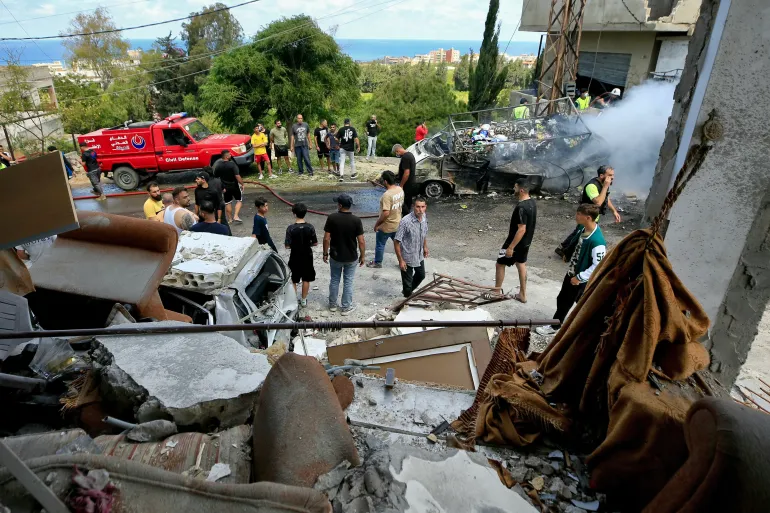
Russia has launched missiles and drones towards Ukraine, causing explosions in multiple cities.[1] This recent wave of aerial assaults underscores the persistent intensity of the conflict, with reports confirming blasts across various urban areas as Russian forces continue their campaign of long-range strikes. In the context of ongoing strike Ukraine operations, these incidents highlight the challenges faced by Ukrainian defenses in intercepting incoming threats amid heightened activity.
Overview of Recent Russian Strikes
Russia's latest missile and drone launches have triggered explosions in multiple cities throughout Ukraine, as documented in real-time reports from the ground.[1] The kyivindependent detailed how these strikes unfolded, with audible detonations signaling the arrival of projectiles aimed at key infrastructure and population centers. This pattern aligns with broader tactics employed in the conflict, where combined missile and drone barrages test Ukraine's air defense capabilities, often leading to widespread alerts and evacuations.
The immediacy of these events, captured through on-the-spot coverage, reveals the scale of the operation: missiles, known for their speed and destructive power, paired with slower-moving drones that can overwhelm defenses through sheer volume.[1] Such strikes not only cause physical damage but also disrupt daily life, forcing residents into shelters and straining emergency services. While specific targets in these most recent attacks remain under verification, the explosions' occurrence in multiple cities points to a coordinated effort spanning regions, a common feature in Russia's aerial strategy to distribute pressure across the front lines and rear areas.[1]
This overview situates the current strike Ukraine developments within a continuum of aggression, where each launch represents an escalation in pressure on Ukrainian territory. The reliance on both high-speed missiles and loitering munitions like drones allows for sustained harassment, complicating interception efforts and prolonging the threat window for affected populations.[1]
Escalation in Aerial Attacks
Ukraine experienced a marked escalation in aerial attacks during March 2026, with over 3,500 air and drone strikes recorded in that month alone, according to data from the Armed Conflict Location & Event Data Project (ACLED).[2] This surge compared to the earlier months of the year illustrates a deliberate intensification, as Russian forces ramped up their bombardment frequency to challenge Ukrainian air defenses and infrastructure resilience.
A particularly intense episode occurred between 23 and 24 March 2026, when 948 drones were launched in a single 24-hour period—the largest such attack since the full-scale invasion began in February 2022.[2] This volume overwhelmed monitoring systems and interception resources, marking a tactical shift toward drone swarms that saturate defenses and increase the likelihood of breakthroughs. The Health Cluster Bulletin from reliefweb emphasizes how this escalation strained humanitarian responses, with the sheer number of incidents complicating damage assessments and aid delivery.[2]
In the broader strike Ukraine context, these figures provide critical context for understanding the operational tempo. March's over 3,500 strikes represent not just quantity but a sustained campaign, likely aimed at depleting Ukraine's missile stockpiles and air defense interceptors. ACLED's tracking underscores the strategic intent: by flooding the skies, Russia seeks to create gaps for follow-on missile strikes, a method refined over years of conflict.[2] This data also informs projections for resource allocation, as the increased pace demands ongoing vigilance and international support for replenishing defenses.
Specific Incidents of Drone Activity
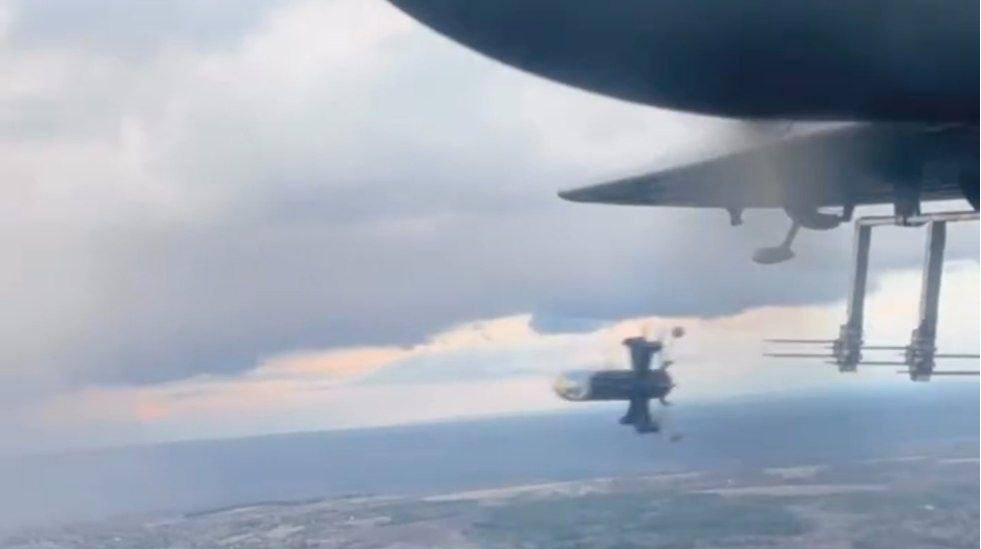
Verified drone-related events highlight both defensive successes and offensive capabilities on both sides. On the morning of 24 April, Ukraine's Air Force downed a Russian attack drone, releasing video footage showing the fiery destruction of a Shahed-type munition in the sky.[3] This interception demonstrates the effectiveness of Ukrainian mobile air defense units in neutralizing threats during vulnerable approach phases, preventing potential impacts on ground targets.
Shifting to Ukrainian initiative, forces executed a precise drone strike on an apartment in occupied Donetsk, targeting an alleged gathering of 12 FSB officers.[4] Described as a "train" of eight drones entering the flat, this operation exemplifies high-precision tactics enabled by small unmanned systems, capable of navigating urban environments to hit soft targets.[4] The euobserver report frames this within Day 1,520 of the battlefield update, noting the static front lines elsewhere, such as personnel shortages in Kostyantynivka, which contrast with these surgical strikes.
Further confirming Ukrainian reach, the General Staff reported damage to a drone production facility operated by Atlant Aero in Taganrog, Russia, alongside strikes on an FSB patrol ship in temporarily occupied Crimea.[5] These actions disrupt Russian logistics: the Taganrog plant supports drone manufacturing, a cornerstone of Moscow's aerial campaign, while the Crimean ship strike hampers naval patrols in the Black Sea region.[5] In the strike Ukraine drone landscape, these incidents reveal a tit-for-tat dynamic, where Ukraine counters proliferation with targeted attrition.
Casualties and Human Impact
The human cost of these aerial campaigns has been severe, particularly in March 2026, when civilian casualties rose sharply to 211 killed and 1,206 injured.[2] The UN Human Rights Monitoring Mission in Ukraine (HRMMU) documented this toll, attributing it directly to the intensified strikes and noting a 49 percent increase in such incidents.[2] Reliefweb's Health Cluster Bulletin contextualizes these numbers within a deteriorating humanitarian environment, where attacks on populated areas exacerbate medical overload and displacement.
These figures capture only verified cases, likely underrepresenting the full impact given reporting challenges in active war zones.[2] Civilian deaths and injuries stem predominantly from indiscriminate drone and missile barrages, which frequently overshoot military objectives to strike residential zones, markets, and essential services. The 948-drone assault on 23-24 March alone contributed to this spike, as the volume increased ground risks during interception fallout and direct hits.[2]
The broader implications for Ukrainian society are profound: surging injuries strain health systems already burdened by prior waves, with the bulletin calling attention to the need for specialized trauma care.[2] Families shattered, communities disrupted—these metrics translate to long-term societal scars, underscoring the imperative for protections under international law amid the strike Ukraine escalation.
Ukrainian Military Responses
Ukrainian forces have mounted targeted responses to mitigate Russian advances and degrade enemy assets. The precision drone strike in occupied Donetsk, utilizing eight drones against FSB personnel in an apartment, showcases innovative urban warfare tactics amid a largely static front.[4] This operation, detailed in battlefield updates, contrasts with defensive pressures elsewhere, like shortages in Kostyantynivka, yet affirms Ukraine's ability to project force into occupied territories.[4]
Complementing this, the General Staff confirmed strikes inflicting damage on the Atlant Aero drone plant in Taganrog and an FSB patrol ship in Crimea.[5] Targeting a key drone producer hampers Russia's replenishment of its primary strike weapon, while the naval hit in occupied waters challenges control over strategic sea lanes.[5] These actions, reported by ukrainskapravda, reflect a strategy of asymmetric retaliation: using cost-effective drones to impose asymmetric costs on higher-value Russian targets.
Such responses not only inflict material losses but also signal resolve, potentially deterring further aggression by raising operational risks for Russian commanders.[4][5]
What to watch next: Continued monitoring of aerial attack volumes, following March 2026's record 948-drone barrage, alongside Ukrainian strikes on drone production and FSB assets, which could influence the pace of escalation in coming weeks.[2][5]