
Conflict in Lebanon: Israel and Lebanon Extend Ceasefire for Three Weeks
Israel and Lebanon have extended a ceasefire amid accusations from Netanyahu that Hezbollah is sabotaging peace efforts.[1] This development in the conflict in Lebanon comes as Hezbollah dismisses the ceasefire as meaningless despite ongoing Israeli military actions,[1] while recent casualties underscore the fragility of the truce, including the death of an Indonesian peacekeeper with UNIFIL[2] and four Israeli soldiers wounded in southern Lebanon, contributing to a total of at least 735 soldiers wounded since the Iran war began.[4] The conflict between Hezbollah and Israel escalated in 2023 and 2024, with tensions persisting into recent weeks,[3] and US pressure on Iran is credited for efforts toward a potential historic peace agreement.[1]
Ceasefire Extension
Israel and Lebanon have formally extended their ceasefire for three weeks, a move that represents a temporary pause in hostilities amid broader regional instability.[1][5] This extension was brokered at a meeting in the White House, highlighting the role of international mediation in sustaining the fragile truce.[5] Israeli Prime Minister Benjamin Netanyahu has framed this development as part of a broader push toward what he describes as "historic peace," emphasizing the importance of maintaining calm despite challenges on the ground.[1] The ceasefire comes at a time when fighting between Israeli forces and Hezbollah militants has been a persistent flashpoint, with both sides engaging in actions that test the boundaries of the agreement.[1][5]
The extension builds on prior efforts to de-escalate, but sources indicate that the calm remains precarious. Netanyahu's statements underscore an optimism tempered by realism, noting that the truce persists "amidst wider regional tensions," which could undermine longer-term stability.[1] From the Lebanese side, the agreement reflects a mutual interest in avoiding further escalation, though Hezbollah's position introduces significant complications.[1] The three-week duration provides a narrow window for diplomatic progress, during which both parties must navigate ongoing military postures and retaliatory incidents.[5] Analysts observing the situation point out that such extensions are common in protracted conflicts, serving as breathing spaces rather than resolutions, particularly when underlying grievances remain unaddressed.[1][5]
This latest truce extension also intersects with larger geopolitical dynamics, including efforts to address Iran's role in the region. The involvement of high-level US facilitation at the White House signals a commitment to enforcing the ceasefire, potentially deterring violations through diplomatic leverage.[5] However, the persistence of "ongoing Israeli military actions and retaliatory clashes," as reported, suggests that the extension may face immediate tests, with prospects for a lasting agreement described as uncertain.[1] In the context of the conflict in Lebanon, this step forward offers a glimmer of restraint, but its success hinges on compliance from all actors involved.
Accusations and Responses
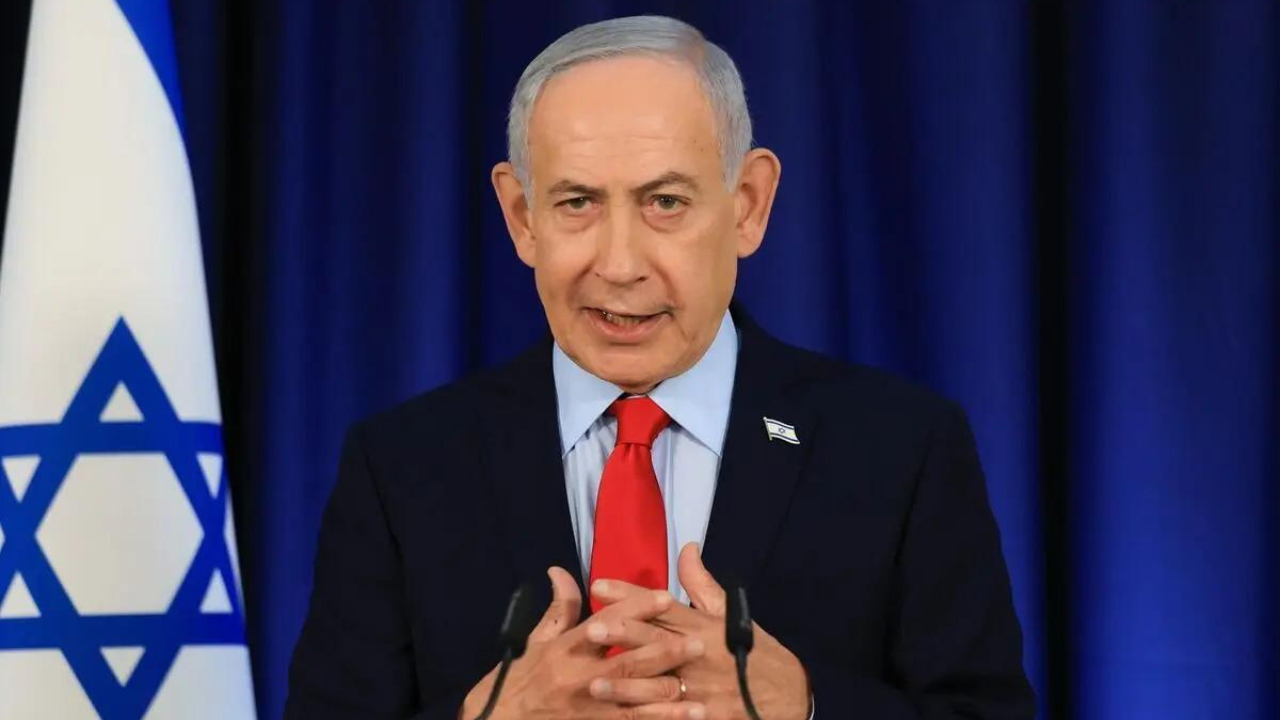
Prime Minister Netanyahu has directly accused Hezbollah of "sabotaging" the peace push in Lebanon, portraying the group's actions as deliberate obstacles to achieving a stable agreement.[1] This rhetoric comes in the wake of the ceasefire extension, where Netanyahu aims for "historic peace," yet he attributes ongoing disruptions to Hezbollah's intransigence.[1] Hezbollah, in response, has dismissed the ceasefire as "meaningless," arguing that it holds little value given continued Israeli military operations and the clashes that follow.[1]
These exchanges highlight the deep mistrust characterizing the conflict in Lebanon. Netanyahu's accusations frame Hezbollah as the primary aggressor undermining diplomatic efforts, a narrative that aligns with Israel's broader security concerns in the region.[1] Hezbollah's dismissal, on the other hand, positions the group as responding to provocations, rendering the truce ineffective in their view.[1] This back-and-forth has intensified scrutiny on the ceasefire's viability, with both sides leveraging public statements to shape perceptions of responsibility.
The timing of these accusations is particularly telling, occurring just as the three-week extension takes effect. Netanyahu's comments credit external pressures for progress while singling out Hezbollah, suggesting a strategy to isolate the group diplomatically.[1] Hezbollah's retort reinforces their stance of defiance, potentially rallying domestic support in Lebanon while challenging the truce's legitimacy.[1] Such responses not only complicate on-the-ground enforcement but also feed into the cycle of escalation that has defined recent interactions.
Recent Incidents and Casualties
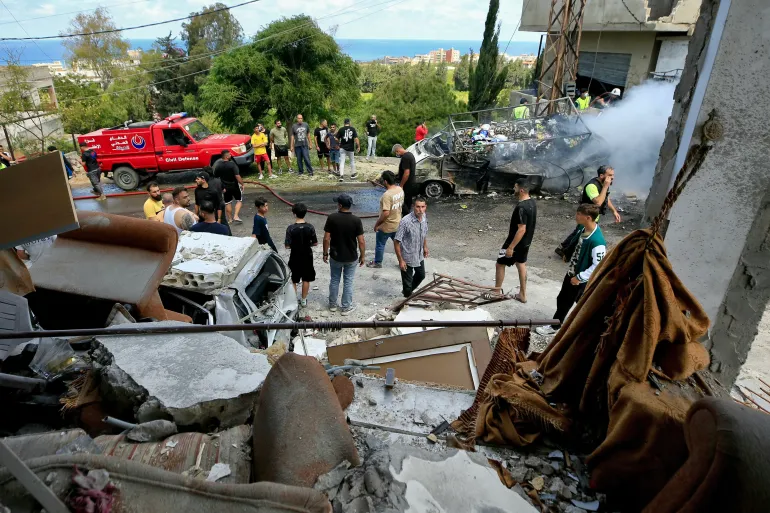
Recent violence in southern Lebanon has resulted in significant casualties, underscoring the ceasefire's tenuous hold. Four Israeli soldiers were wounded in clashes there, according to reports from Army Radio.[4] This incident adds to a mounting toll, with army data indicating at least 735 soldiers wounded since the Iran war began on February 28.[4] These figures reflect the sustained intensity of operations in the area, even as truce talks advance.
Compounding these losses, Indonesia is mourning the death of Private First Class Rico Pramudia, an Indonesian peacekeeper serving with the United Nations Interim Force in Lebanon (UNIFIL).[2] His passing marks another tragic toll on international personnel embedded in the conflict zone, highlighting the risks faced by those monitoring compliance and providing humanitarian support.[2] UNIFIL's presence has long been a buffer in southern Lebanon, yet such fatalities illustrate the dangers of operating amid active hostilities.
These incidents paint a picture of persistent volatility. The wounding of Israeli soldiers points to direct confrontations, likely involving Hezbollah militants, which challenge the ceasefire's parameters.[4] Meanwhile, the peacekeeper's death serves as a stark reminder of collateral impacts, drawing international attention and calls for enhanced protection measures.[2] In total, the casualties contribute to a narrative of fragility, where isolated clashes threaten to unravel broader de-escalation efforts. The army's cumulative count of wounded soldiers since late February further contextualizes the human cost, linking local skirmishes to wider regional confrontations.[4]
Background of the Conflict
The conflict in Lebanon between Hezbollah and Israel traces its recent intensification to October 2023, when it erupted in the wake of the Israel-Hamas war.[3] What began as cross-border exchanges quickly escalated, reaching a critical phase in September 2024.[3] This timeline captures a progression from sporadic tensions to sustained hostilities, with both sides trading fire across the volatile frontier.
Data from crisis analyses up to April 2026 provide a synthesized overview of the dynamics at play during this period.[3] The October 2023 onset aligned with broader Middle East instability, as Hezbollah positioned itself in solidarity with Hamas, prompting Israeli responses aimed at neutralizing threats from the north.[3] By September 2024, the situation had deteriorated markedly, marked by intensified airstrikes, ground incursions, and rocket barrages that displaced communities and strained Lebanon's fragile infrastructure.[3]
Tensions have persisted into recent weeks, with the ceasefire extension representing one of several attempts to contain the fallout.[3] This background reveals a conflict layered with historical animosities, proxy influences, and security imperatives, where each escalation builds on unresolved grievances from prior rounds of fighting. The period from late 2023 through 2024 thus forms the crucible for current standoffs, informing the stakes of ongoing diplomatic maneuvers.[3]
International Involvement
International actors are playing pivotal roles in shaping the trajectory of the conflict in Lebanon. US pressure on Iran is credited by Netanyahu as a key factor enabling progress toward a potential historic peace agreement.[1] This leverage has reportedly contributed to the ceasefire extension, influencing the calculations of Iranian-backed groups like Hezbollah.[1]
President Donald Trump's administration has been directly involved, brokering the three-week extension at the White House.[5] Trump has expressed readiness to pursue "the best deal" to end his conflict with Iran, framing the Lebanon truce as part of a larger strategic realignment.[5] Fighting between Israel and Hezbollah, described as one of several sticking points, underscores the interconnected nature of these efforts.[5]
These external dynamics add layers of complexity. US mediation not only facilitates pauses in violence but also signals a broader campaign to curb Iranian influence in Lebanon.[1][5] Netanyahu's acknowledgment of this pressure highlights how diplomatic coercion can yield tactical gains, even as on-the-ground realities test their durability.[1] The White House meeting exemplifies coordinated international involvement, potentially setting precedents for future interventions.[5]
What to watch next: With the three-week ceasefire in place, attention will focus on compliance amid ongoing clashes and Hezbollah's dismissal of the truce, as prospects for a lasting agreement remain uncertain under US pressure on Iran.[1][5]