
Strike Ukraine: Explosions Reported in Multiple Cities from Russian Missile and Drone Launches
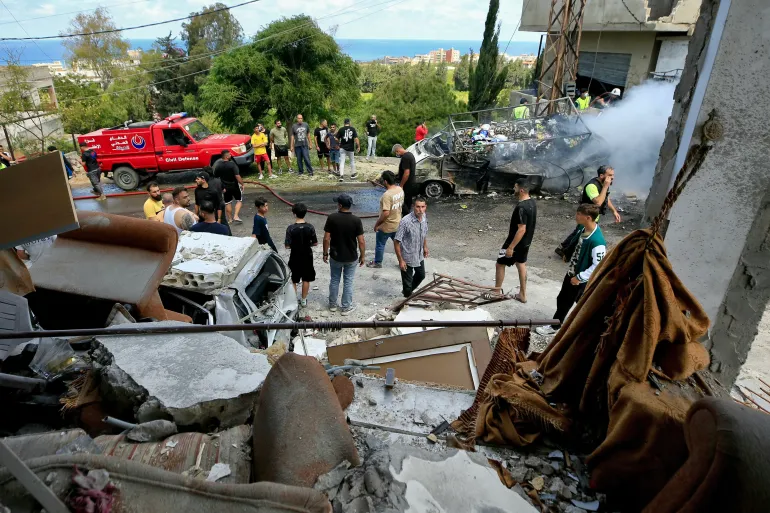
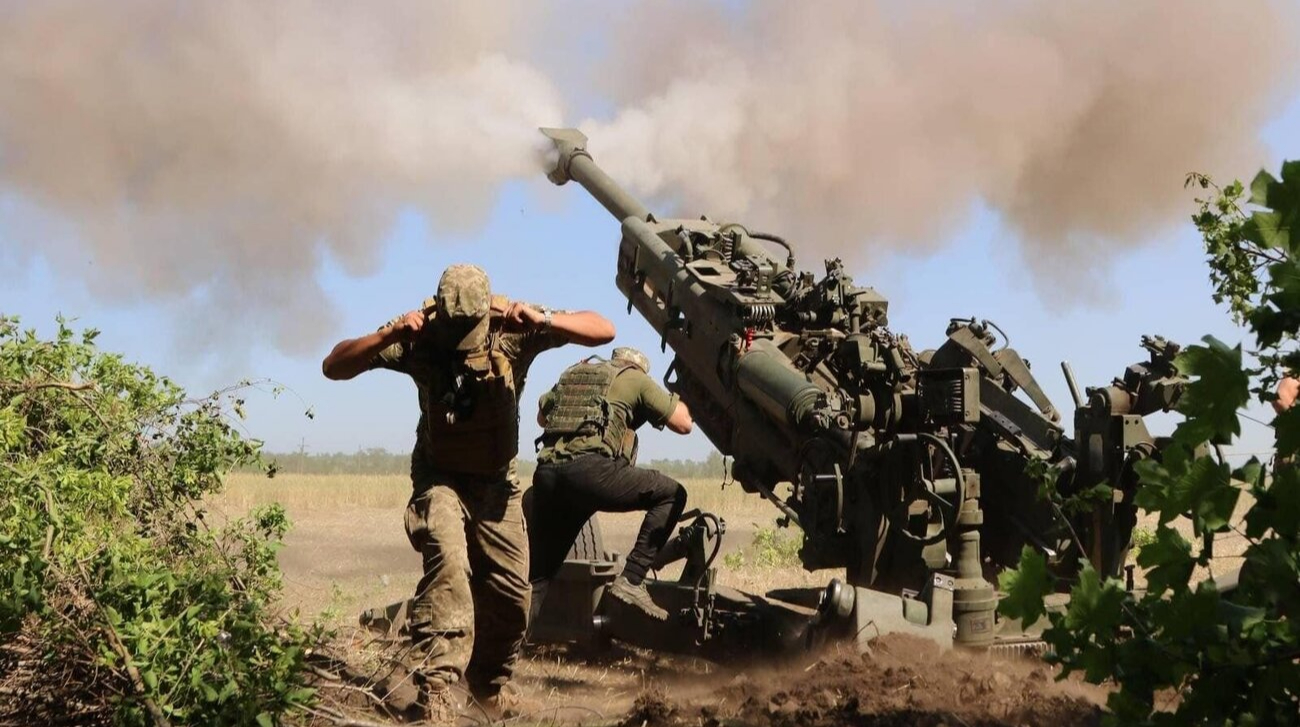
Russia has launched missiles and drones towards Ukraine, resulting in explosions heard in multiple cities.[1] This strike Ukraine development highlights the persistent intensity of aerial operations in the conflict, with reports confirming blasts across various urban areas as Russian forces continue their bombardment strategy.
Recent Russian Strikes
Russia's recent launches of missiles and drones towards Ukraine have triggered explosions audible in multiple cities, signaling a continuation of targeted aerial assaults on Ukrainian territory.[1] These strikes, as documented by on-the-ground reporting, underscore the breadth of the attacks, affecting numerous population centers simultaneously. The pattern of such operations involves coordinated barrages designed to overwhelm defenses, with the immediate auditory evidence of detonations serving as a stark indicator of the strikes' reach.[1] Eyewitness accounts and local media confirm that the explosions reverberated through urban landscapes, prompting air raid alerts and civilian evacuations in the impacted zones. This recent wave aligns with broader tactics observed in the conflict, where Russia employs a mix of missiles and unmanned aerial vehicles to strike infrastructure and other targets across Ukraine.[1] The timing and scale of these launches reflect an ongoing commitment to aerial pressure, with each incident contributing to the cumulative strain on Ukrainian resilience. Reports emphasize the repetitive nature of the alerts, as "explosions heard in multiple cities" became a recurring phrase in dispatches from the front lines.[1] Such strikes not only cause immediate disruptions but also necessitate rapid response from emergency services and air defenses, amplifying the operational tempo in affected regions.
Escalation of Aerial Attacks
Ukraine experienced a marked escalation in aerial attacks during March 2026, with over 3,500 air and drone strikes recorded in that month alone, according to data from the Armed Conflict Location & Event Data Project (ACLED).[2] This surge represented a significant increase compared to the first two months of the year, highlighting a intensified phase of Russian aerial operations.[2] A particularly notable event occurred between March 23 and 24, when 948 drones were launched in a single 24-hour period—the largest such drone attack since the full-scale invasion began in February 2022, as tracked by ACLED.[2] These figures illustrate the scale of the bombardment, with the daily drone volume peaking at levels unprecedented in over four years of conflict. The Health Cluster Bulletin for March 2026 details how this uptick strained humanitarian responses, as the volume of strikes demanded heightened vigilance from air defense systems and civilian protection measures.[2] The concentration of nearly 1,000 drones in one day alone points to a strategic shift towards massed unmanned assaults, potentially aimed at saturating Ukrainian defenses and maximizing impact on ground targets. This escalation in March set a new benchmark for aerial intensity, with ACLED's monitoring providing granular data on the frequency and distribution of these events across Ukrainian regions.[2] The bulletin frames this as part of a broader trend, where the cumulative strikes in March far outpaced earlier months, contributing to widespread disruptions in daily life and essential services.
Ukrainian Air Defense Actions
Ukraine's Air Force demonstrated its defensive capabilities by downing a Russian attack drone on the morning of April 24, as captured in a video released by the military.[3] The footage shows a fiery Shahed drone— a type commonly used in Russian strikes—illuminating the morning sky before being intercepted and destroyed.[3] This successful engagement exemplifies Ukraine's ongoing efforts to counter incoming threats, with the Air Force publicly sharing the visual evidence to affirm operational effectiveness.[3] The video depicts the drone's trajectory and subsequent neutralization, providing a clear record of the interception process amid routine aerial incursions.[3] Such actions are part of a sustained air defense posture, where Ukrainian forces actively track and eliminate drones launched from Russian positions. The release of this specific clip on April 24 coincides with continued strike Ukraine pressures, serving both as a tactical report and a morale booster.[3] By publicizing these intercepts, the Air Force highlights the reliability of its systems in neutralizing high-value threats like the Shahed, which have been staples in recent barrages. This incident fits into a pattern of daily defensive operations, where each downing reduces the potential impact of Russian aerial campaigns on Ukrainian soil.[3]
Ukrainian Counter-Strikes
Ukrainian forces have conducted precision operations targeting Russian assets, including confirmed damage to a drone production facility in Taganrog, Russia, and an FSB patrol ship in temporarily occupied Crimea, as reported by the General Staff of the Armed Forces of Ukraine.[5] The update from the General Staff specifies strikes against the Atlant Aero defence company in Taganrog, a site linked to drone manufacturing, alongside the FSB vessel, indicating successful hits on key logistical and naval targets.[5] These counter-strikes represent proactive measures to disrupt Russian capabilities, focusing on facilities and vessels critical to their operations.[5] In a separate high-precision operation in occupied Donetsk, Ukrainian forces deployed a "train" of eight drones to strike an apartment allegedly housing 12 FSB officers, as detailed in battlefield updates.[4] This innovative tactic involved sequential drone entries into the target flat, showcasing advanced drone swarm employment against high-value personnel.[4] While the Donetsk front remains largely static, these actions in Kostyantynivka and beyond address personnel shortages among Ukrainian defenders through offensive initiatives.[4] The General Staff's confirmation of the Taganrog drone plant and Crimea ship damage underscores the reach of Ukrainian long-range strikes, potentially hampering Russian drone production and maritime patrols in occupied areas.[5] Combined, these operations illustrate a multifaceted counter-strategy, blending drone assaults on ground targets with strikes on industrial and naval infrastructure.[4][5]
Impact on Civilians
Civilian casualties in Ukraine surged in March 2026, with the United Nations Human Rights Monitoring Mission in Ukraine (UN HRMMU) reporting 211 killed and 1,206 injured amid the escalated aerial attacks.[2] This sharp rise accompanied the over 3,500 air and drone strikes recorded that month, as civilian areas bore the brunt of the intensified bombardment.[2] The Health Cluster Bulletin notes a 49 percent increase in these figures, attributing the toll to the volume and precision challenges of the strikes.[2] Families and communities faced heightened risks, with injuries outnumbering fatalities by a factor of nearly six, pointing to widespread maiming from shrapnel and blast effects.[2] The single-day launch of 948 drones on March 23-24 exacerbated this vulnerability, as the massed attack overwhelmed protective measures in populated zones.[2] Humanitarian responses, as outlined in the bulletin, grappled with the aftermath, emphasizing the strain on medical facilities and the need for enhanced civilian shielding.[2] These statistics from UN HRMMU provide a human dimension to the aerial escalation, where the conflict's aerial phase directly translated into civilian suffering across Ukraine.[2]
What to watch next: Monitor for continued high-volume drone launches similar to the March 23-24 peak and Ukrainian interceptions, as patterns from ACLED and Air Force reports suggest sustained aerial activity into April and beyond.[2][3]