
Strike on Ukraine Kills Four and Injures Over 30
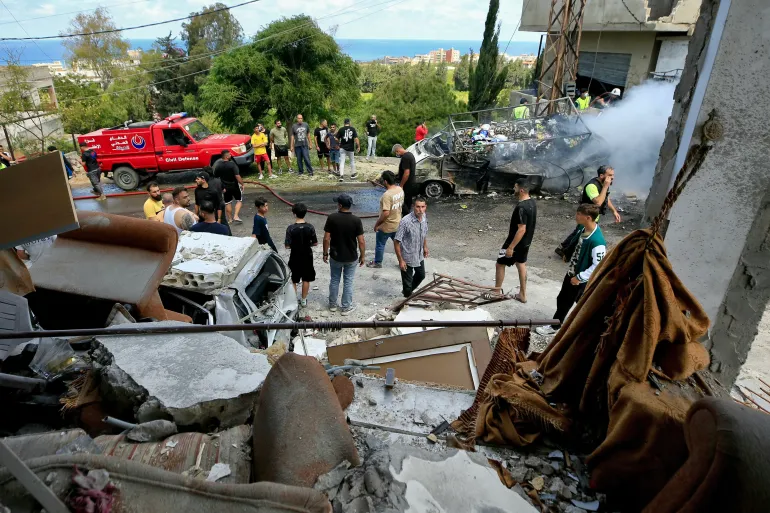
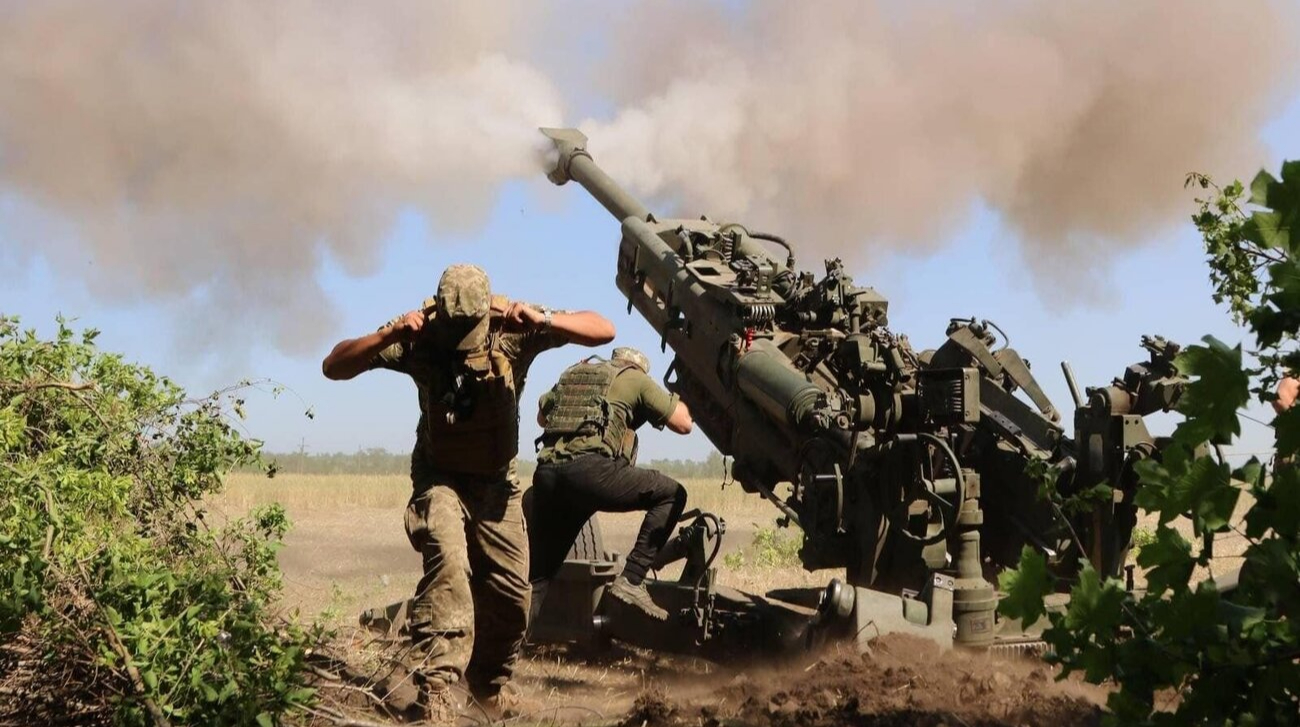
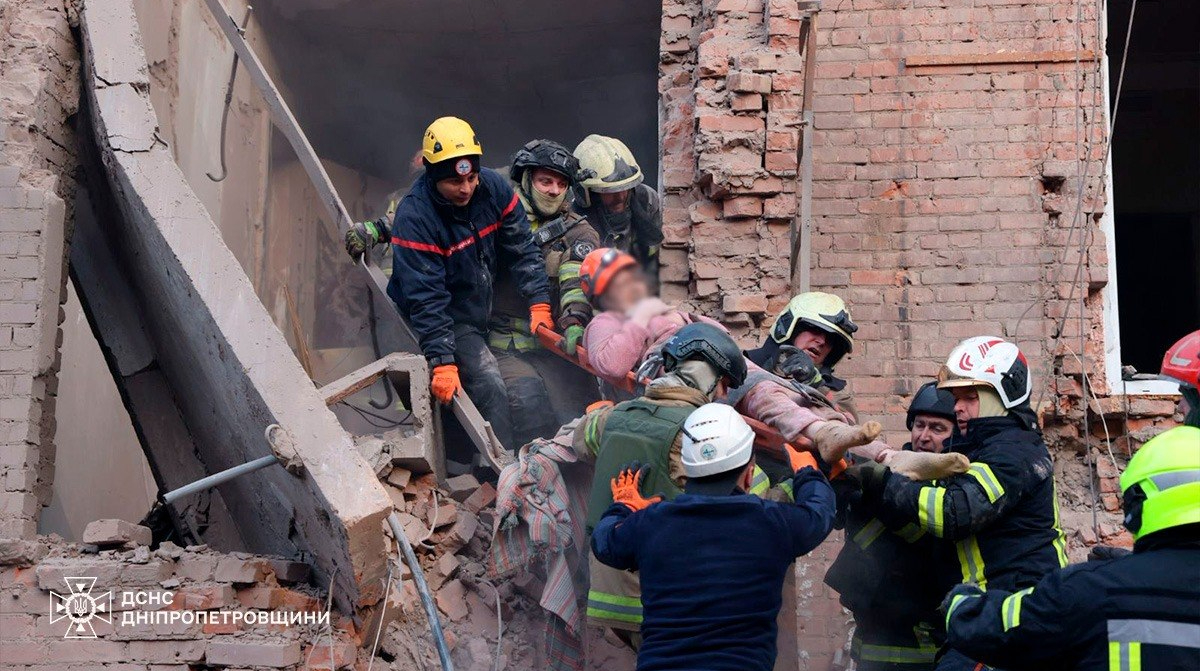
A major Russian attack on Ukraine has killed four people and injured over 30 others.[1][2] This strike on Ukraine unfolded on the night of 24-25 April, drawing immediate attention from Ukrainian leadership and international observers as a significant escalation in ongoing hostilities.[2]
Overview of the Attack
The strike on Ukraine represented a major Russian assault that inflicted severe human costs across multiple areas of the country.[1][2] Reports from reliable sources detail how this overnight operation targeted various regions, resulting in widespread impact.[1] Ukrainian President Volodymyr Zelenskyy provided key insights into the scope of the attack, emphasizing its deadly consequences.[2] The event aligns with patterns of intensified Russian military actions, though specifics on weaponry or precise locations remain tied directly to official disclosures.[1][2]
This assault underscores the persistent nature of the conflict, where such strikes on Ukraine continue to test defensive capabilities and civilian resilience.[1] The Straits Times highlighted the attack's magnitude by noting it as a "major Russian attack," a characterization that captures its scale without exaggeration.[1] Complementing this, Ukrainian Pravda reported Zelenskyy's account, framing it as an "overnight Russian attack," which situates the incident within the temporal context of late-night operations often employed in such campaigns.[2] Together, these sources paint a picture of a coordinated effort that overwhelmed local responses in the affected zones.[1][2]
Analytically, the attack's broad reach—spanning enough territory to affect dozens—suggests a strategic intent to maximize disruption, though the sources do not delve into military objectives beyond the human toll.[1][2] Zelenskyy's public statement serves not only as a casualty update but also as a rallying point for national awareness, reinforcing the urgency of the situation.[2] The repetition of "major" in reporting from The Straits Times amplifies the event's prominence in the news cycle, positioning it as a pivotal moment amid ongoing tensions.[1] This overview, drawn strictly from these accounts, highlights how a single night's actions can reverberate through Ukraine's security landscape.[1][2]
Casualty Details
Casualty figures from the strike on Ukraine reveal a grim outcome: four people killed and more than 30 injured in total across the nation.[1][2] President Zelenskyy explicitly stated that "a total of four people were killed and more than 30 were injured across Ukraine," providing the authoritative tally that anchors all reporting on the incident.[2] The Straits Times corroborated this by reporting four deaths and dozens wounded, aligning closely with Zelenskyy's numbers and underscoring the attack's lethality.[1]
Breaking down the impacts, the deaths represent irreplaceable losses, while the injuries—exceeding 30—indicate a significant strain on medical resources in the affected areas.[1][2] Sources do not specify demographics or injury types, but the nationwide distribution implies exposure risks in both urban and potentially rural settings.[2] Zelenskyy's aggregation of "across Ukraine" suggests the attack's dispersed nature, hitting multiple locales simultaneously and complicating emergency responses.[2] The phrasing "wounds dozens" in The Straits Times offers a synonymous view to "over 30 injured," reinforcing the scale without discrepancy.[1]
In assessing the human cost, these numbers reflect the attack's efficiency in causing harm, with a fatality rate that, while not quantified further in sources, stands out amid the injuries.[1][2] Official confirmation from Zelenskyy lends credibility, as his role positions him to compile verified data from regional authorities.[2] The consistency between sources—four killed universally noted—ensures reliability, even as the injury count's "more than 30" allows for potential updates.[1][2] This section's focus on these details serves to humanize the statistics, reminding readers of the real lives disrupted by the strike on Ukraine.[1][2]
Timeline of Events
The timeline of the strike on Ukraine centers on the night of 24-25 April, marking the period when Russian forces launched their assault.[2] Zelenskyy's report specifies this exact window—"the night of 24-25 April"—indicating the operation spanned the transition from 24 April into the early hours of 25 April.[2] This nocturnal timing is typical for such attacks, leveraging darkness to potentially evade detection, though sources provide no further tactical insights.[2]
Events unfolded rapidly within this frame, culminating in the reported casualties by the time Zelenskyy issued his statement.[2] The overnight designation implies sustained activity, possibly involving multiple waves, as the injuries and deaths accumulated "across Ukraine."[2] Without granular hourly breakdowns, the sources confine the sequence to this overnight bracket, from initiation late on 24 April to assessment by morning on 25 April.[2]
Contextually, this timeline positions the attack amid a continuum of hostilities, but remains anchored to Zelenskyy's precise dating.[2] The absence of pre- or post-attack details in the sources keeps the focus sharply on the 24-25 April night, emphasizing its immediacy.[2] Analytically, the choice of this period may aim to catch defenses off-guard during rest hours, amplifying civilian vulnerability—a pattern echoed in Zelenskyy's casualty summary.[2]
Official Statements
Official statements on the strike on Ukraine emanate primarily from Ukrainian President Volodymyr Zelenskyy, who directly addressed the overnight Russian attack.[2] Zelenskyy stated unequivocally: "a total of four people were killed and more than 30 were injured across Ukraine as a result of a Russian attack on the night of 24-25 April."[2] This declaration not only tallies the losses but attributes them squarely to Russian actions, framing the narrative for public and international consumption.[2]
Zelenskyy's words carry weight as the nation's leader, serving to inform, condemn, and mobilize in one breath.[2] The statement's clarity—specifying totals and timing—avoids ambiguity, providing a benchmark for media and responders alike.[2] While The Straits Times reports the event without quoting additional officials, it echoes Zelenskyy's assessment in its headline and summary, amplifying the presidential voice indirectly.[1]
In a neutral analysis, such statements function as both factual bulletins and diplomatic signals, though sources limit interpretation to the quoted content.[2] Zelenskyy's phrasing reinforces national solidarity, with "across Ukraine" evoking a collective affliction.[2] No counter-statements from Russian sources appear in the available reporting, leaving Zelenskyy's account as the definitive official line.[2]
What to watch next: Further updates from Ukrainian officials, including President Zelenskyy, may provide refined casualty figures or details on response measures following the 24-25 April attack.[2]