Conflict in Lebanon: Ceasefire Extended for Three Weeks Amid Ongoing Clashes
In the ongoing conflict Lebanon is witnessing heightened tensions despite a fragile ceasefire framework, as Hezbollah persists in resisting Israeli forces even after the 10-day truce that took effect on 16 April.[1] Lebanon's official leadership is advancing toward negotiations with Israel, underscoring deep divisions within the country between those pursuing diplomatic channels and the militant group's continued military engagements.[1] Recent developments include the wounding of 37 Israeli soldiers and the deaths of two others in clashes during this period,[1] alongside preparations by Indonesia to repatriate the remains of a soldier killed in Lebanon.[2] The Israeli army has issued stark warnings to civilians against returning to southern villages near the Litani River and Saluki areas,[3] while the ceasefire has been extended for three weeks amid a 3 percent rise in displaced people to 121,225 as of 23 April.[4] Israeli Prime Minister Benjamin Netanyahu has accused Hezbollah of sabotaging peace efforts, a claim dismissed by the group as the truce holds little meaning amid persistent operations.[5]
Overview of the Ceasefire and Divisions in Lebanon
The ceasefire in Lebanon, initially a 10-day arrangement that began on 16 April, represents a tentative pause in hostilities but has failed to halt underlying frictions.[1] Israeli forces have pressed forward with operations even after the truce's onset, met by Hezbollah's sustained retaliation, which illustrates the ceasefire's limited enforceability.[1] This dynamic has laid bare profound divisions within Lebanon, often described as a "house divided."[1] On one side, the country's official leadership is steering toward negotiations with Israel, signaling a preference for diplomatic resolution amid broader regional pressures.[1] In contrast, Hezbollah maintains its resistance to what it views as an ongoing Israeli invasion, prioritizing military confrontation over immediate truce compliance.[1]
These internal schisms are compounded by the ceasefire's extension for an additional three weeks, a move agreed upon by Israel and Lebanon but overshadowed by uneven population movements and persistent risks.[4][5] The extension comes as both sides navigate a landscape of mutual accusations and fragile calm, with Hezbollah dismissing the truce outright.[5] Lebanon's leadership, meanwhile, appears committed to talks, potentially influenced by external factors such as U.S. pressure on Iran, which Netanyahu has credited for facilitating the initial agreement.[5] This duality—negotiations from the top versus resistance from Hezbollah—highlights not just tactical differences but fundamentally opposed visions for Lebanon's future in the conflict.[1] The ceasefire's structure, meant to provide breathing room for de-escalation, instead amplifies these tensions, as military actions persist and civilian safety remains precarious.[1][4] Analysts observing the situation note that such divisions could prolong instability, with the truce serving more as a temporary buffer than a pathway to lasting peace.[5] The 10-day initial phase's quick transition to a three-week extension underscores the challenges in achieving compliance, particularly when one party's actions undermine the other's peace initiatives.[1][5]
Recent Military Incidents and Casualties
{IMAGE_2}
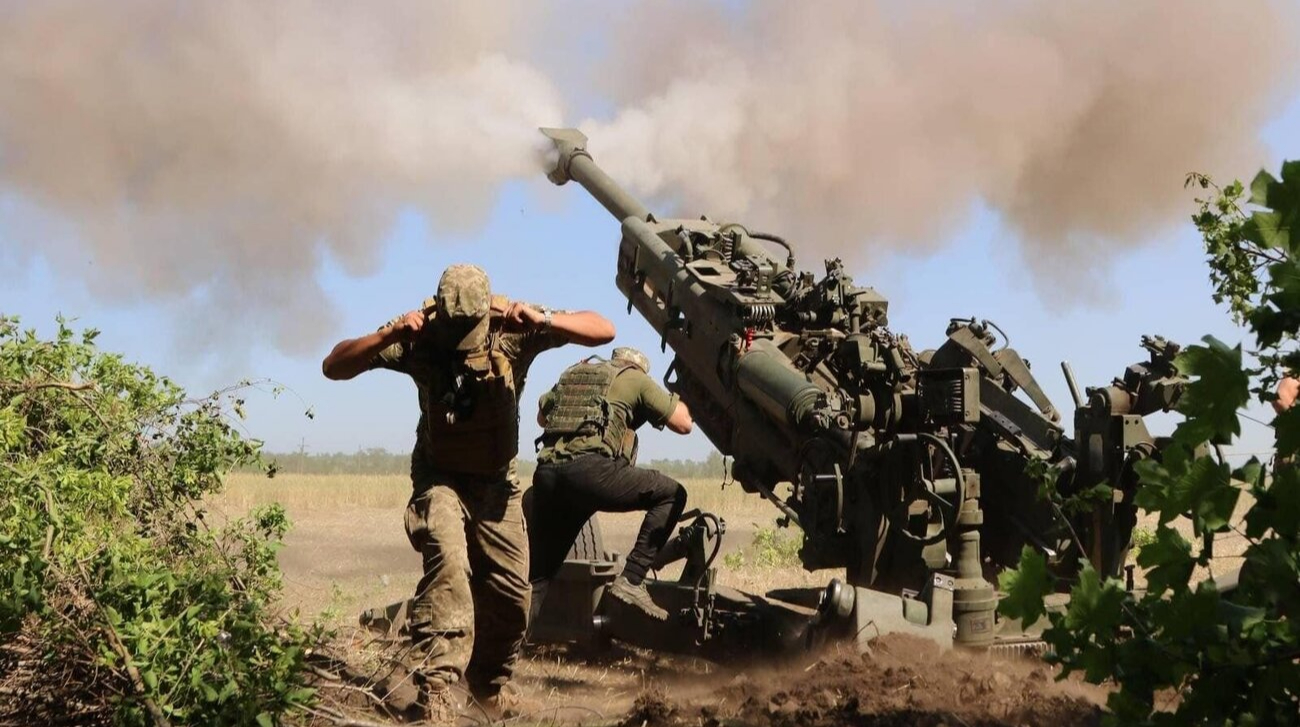
Clashes have continued unabated during the ceasefire period, resulting in significant Israeli military casualties that underscore the truce's fragility.[1] In a particularly intense 24-hour span, 37 Israeli soldiers were wounded, and two were killed, as Hezbollah mounted resistance against ongoing Israeli operations.[1] These incidents, occurring post-16 April, demonstrate Hezbollah's commitment to retaliatory actions despite the formal ceasefire, challenging Israel's military posture in southern Lebanon.[1] The persistence of such engagements points to a breakdown in de-escalation efforts, with both sides reporting active confrontations that erode the truce's intended calm.[1]
This pattern of violence has drawn international attention, particularly through the lens of foreign involvement. Indonesia, for instance, is preparing to repatriate the remains of Private First Class Rico Pramudia, marking the fourth Indonesian soldier (TNI) killed in Lebanon.[2] This casualty highlights the broader scope of the conflict, extending beyond primary combatants to include international personnel, possibly peacekeepers or support forces operating in the region.[2] The Indonesian government's logistical preparations for repatriation reflect the human cost spilling over national borders, adding layers of diplomatic complexity to the ceasefire dynamics.[2] Such losses serve as stark reminders of the risks in Lebanon's volatile environment, where even non-combat roles face lethal threats amid the clashes.[1][2]
International Involvement and Casualties
The conflict in Lebanon has reverberated beyond its borders, manifesting in international casualties that draw global governments into the fray.[2] Indonesia's announcement of preparations to bring home the remains of Private First Class Rico Pramudia exemplifies this, as he becomes the fourth TNI soldier fatalities in the Lebanese theater.[2] This development necessitates coordinated repatriation efforts by the Indonesian government, involving logistical, diplomatic, and ceremonial protocols to honor the fallen service member.[2] The presence of Indonesian troops, likely under a peacekeeping mandate, underscores the multinational dimension of operations in southern Lebanon, where international forces navigate the same dangers as local combatants.[2]
These deaths amplify the humanitarian and strategic stakes, prompting questions about the safety of foreign contingents amid Hezbollah's resistance and Israeli operations.[1][2] Indonesia's actions signal a commitment to supporting its personnel while highlighting the conflict's capacity to claim lives from distant nations.[2] In the context of the ceasefire, such incidents pressure all parties to adhere more strictly to truce terms, as international involvement could escalate diplomatic repercussions.[2][5] The fourth such loss for Indonesia points to a pattern of attrition for foreign troops, potentially influencing future deployments and contributions to stabilization efforts in Lebanon.[2]
Civilian Warnings and Restrictions
{IMAGE_3}
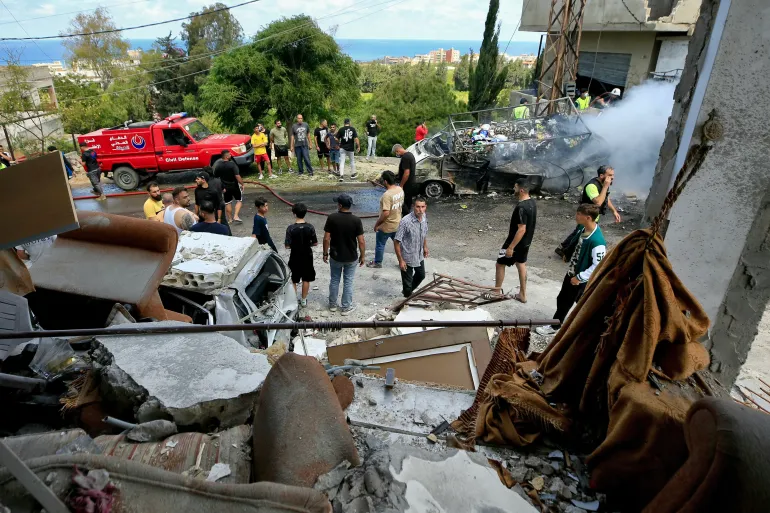
The Israeli army has issued explicit directives to Lebanese civilians, prohibiting returns to southern villages despite the ceasefire's implementation.[3] A military spokesman emphasized that it remains forbidden to approach key areas including the Litani River region, the Salhani Valley, and the Saluki zone.[3] These restrictions are framed as essential for security, reflecting ongoing operational needs that supersede civilian repatriation during this phase.[3] The warnings come amid Hezbollah's continued activities, which Israeli forces cite as justification for maintaining control over these border-adjacent territories.[1][3]
This policy effectively delineates "no-go" zones in southern Lebanon, prioritizing military objectives over immediate civilian normalization.[3] Villages in these areas, long contested in the conflict, face prolonged displacement as a result, with the Israeli stance signaling that the ceasefire does not equate to full demilitarization or safe passage.[3] The specificity of the prohibited locations—Litani River, Salhani Valley, and Saluki—indicates targeted control measures, likely tied to strategic vantage points and infiltration risks from Hezbollah positions.[3] Civilians heeding these alerts must contend with uncertainty, as the truce's extension offers no guarantees of lifted restrictions.[3][4] This approach by the Israeli army reinforces the ceasefire's conditional nature, where civilian life remains intertwined with military imperatives.[1][3]
Humanitarian and Displacement Impacts
The humanitarian toll in Lebanon persists despite the ceasefire extension, with population movements described as tentative and uneven.[4] A modest but notable 3 percent increase in displaced individuals sheltering collectively has been recorded, reaching 121,225 people as of 23 April.[4] This uptick occurs even as the truce holds for three additional weeks, suggesting that security concerns and logistical barriers continue to drive displacement.[4] Overcrowded shelters exacerbate vulnerabilities, contributing to a highly fragile protection environment marked by insecurity and limited access to essential services.[4]
These conditions amplify risks for the displaced, who face elevated threats from ongoing hostilities and inadequate facilities.[4] The UN Office for the Coordination of Humanitarian Affairs highlights how the ceasefire's extension coincides with these challenges, failing to reverse displacement trends immediately.[4] Fragility in the protection landscape stems from multiple factors: persistent clashes, shelter overcrowding, and restricted aid delivery, all of which undermine recovery efforts.[4] As of the latest flash update, the situation remains precarious, with the slight rise in shelter populations indicating that many are hesitant to return home amid Israeli warnings and Hezbollah actions.[3][4] This humanitarian strain tests the ceasefire's efficacy, as displaced families endure prolonged uncertainty in a context of regional escalation.[4]
Political Statements and Negotiations
Political rhetoric has intensified around the ceasefire, with Israeli Prime Minister Benjamin Netanyahu directly accusing Hezbollah of sabotaging Lebanon's peace push.[5] Netanyahu envisions a "historic peace" deal, attributing progress to U.S. pressure on Iran and the successful extension of the truce to three weeks.[5] Yet, he frames Hezbollah's actions as deliberate undermining, pointing to their retaliatory clashes as evidence of bad faith.[1][5] This narrative positions Israel as committed to diplomacy while portraying the militant group as the primary obstacle.[5]
Hezbollah, in response, has rejected the ceasefire as "meaningless," citing ongoing Israeli military operations as justification for their continued resistance.[5] This dismissal aligns with their battlefield persistence, creating a standoff that complicates negotiations led by Lebanon's official leadership.[1][5] The extended truce persists amid these exchanges and wider regional tensions, leaving prospects for a durable agreement in doubt.[5] Netanyahu's statements reflect optimism tempered by frustration, crediting external diplomacy while decrying internal Lebanese divisions.[1][5] Lebanon's leaders, navigating these accusations, continue toward talks, but Hezbollah's stance risks derailing broader peace efforts.[1][5]
What to watch next: Observers should monitor whether Hezbollah's resistance escalates beyond current levels, potentially testing the three-week ceasefire extension, while Netanyahu's push for historic peace hinges on U.S.-Iran dynamics and Lebanese internal negotiations.[4][5]