
Strike on Ukraine Kills Seven in Major Russian Assault
A major Russian attack on Ukraine, described across multiple reports as a significant strike Ukraine operation, killed seven people and injured dozens, marking one of the largest barrages in recent weeks.[2][3] The assault unfolded overnight, with Russian forces unleashing a massive volley of drones and missiles that struck key areas, including the southeastern city of Dnipro, where devastation was most acute.[2][3][4]
Overview of the Russian Attack
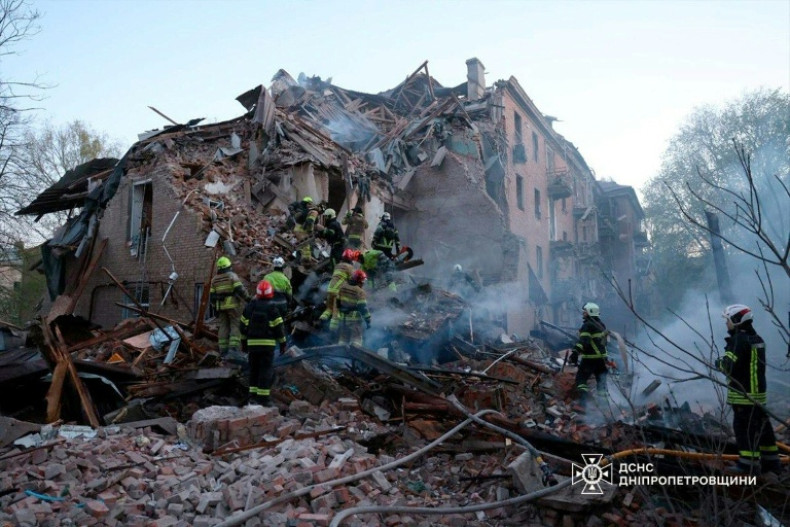
The Russian attack on Ukraine represented a coordinated and extensive military operation, characterized by reports as a "major" overnight barrage that targeted civilian and infrastructure areas across the country.[2][3][4] According to coverage from Cyprus Mail, the strike involved over 660 drones and missiles launched by Moscow, with a particular focus on Dnipro, where a direct hit caused a large chunk of an apartment building to collapse, underscoring the destructive potential of the assault.[2] BBC reporting aligns with this, noting that Dnipro was the hardest-hit location, amplifying the immediate human and structural toll.[3] Al Jazeera further detailed the operation's breadth, stating that Russia targeted eight regions in total, deploying more than 600 drones alongside 47 missiles, as confirmed by Ukrainian authorities.[4]
This overview paints a picture of an assault designed for widespread impact, with the convergence of air-launched munitions overwhelming defenses in multiple areas. The timing—overnight—likely aimed to maximize disruption, as residential zones bore the brunt, leading to rapid emergency responses.[2][3] Varying accounts from international outlets highlight the challenge of real-time verification in conflict zones, yet all emphasize the scale and severity, positioning this as a pivotal event in the ongoing hostilities.[2][4] The strike Ukraine endured not only tested Ukraine's air defenses but also drew global attention to the persistent pattern of such large-scale incursions.[3]
Casualties and Injuries
Casualties from the Russian strike Ukraine inflicted were tragically high, with death tolls reported variably between four and seven across sources, alongside dozens of injuries that strained medical services in affected regions.[1][2][3][4][5] Cyprus Mail reported seven killed and dozens wounded in the barrage, attributing much of the toll to the Dnipro strike where the residential collapse trapped residents.[2] BBC corroborated the seven-dead figure, specifying that four fatalities occurred specifically in Dnipro's residential building hit, illustrating the localized devastation within the broader attack.[3]
Al Jazeera provided a slightly lower count of five deaths and 30 injuries, focusing on the overnight nature of the attacks that caught communities off-guard.[4] Bangkok Post noted six deaths across Ukraine from the Russian strikes, while The Straits Times reported four killed and dozens wounded, reflecting the fluid reporting as casualty figures were updated amid rescue operations.[1][5] These discrepancies—ranging from four to seven fatalities—underscore the complexities of confirming numbers in active conflict scenarios, where initial tallies evolve with body recoveries and hospital admissions.[1][2][3][4][5] Injuries, consistently described as "dozens," likely included shrapnel wounds, blast trauma, and those from collapsing structures, with the elderly and children particularly vulnerable in residential targets.[2][3]
The human cost extended beyond immediate losses, as wounded individuals faced overwhelmed healthcare systems, a recurring theme in prolonged aerial campaigns. Officials' reports, as cited, confirm the injuries spanned multiple sites, demanding coordinated relief efforts.[2][4][5] This section's synthesis from five outlets reveals a consensus on significant harm, even amid numerical variances, emphasizing the attack's toll on civilian life.[1][3]
Key Locations Affected
Dnipro emerged as the epicenter of the strike Ukraine, suffering the most severe damage according to multiple accounts, with a residential building strike causing partial collapse and multiple deaths.[2][3][4] Cyprus Mail highlighted how the city in southeastern Ukraine was directly targeted, leading to the apartment block incident that symbolized the assault's ferocity.[2] BBC reinforced this, stating Dnipro was "hardest hit," with four deaths in the residential strike alone, pointing to precision—or lack thereof—in munitions deployment.[3] Al Jazeera noted authorities' confirmation of Dnipro among eight targeted regions, integrating it into a wider pattern of hits.[4]
The focus on Dnipro underscores its strategic and population significance, home to industrial sites and dense urban areas vulnerable to air attacks. The building collapse not only resulted in fatalities but likely displaced survivors, complicating post-strike recovery.[2][3] While other regions absorbed blows, Dnipro's prominence in reports illustrates how such assaults prioritize high-impact zones to erode morale and infrastructure.[4] Detailed official statements, as relayed, paint a vivid scene of rubble-strewn streets and emergency crews sifting through debris, a stark reminder of the localized fury within a national offensive.[2][3]
Scale of the Assault
The sheer magnitude of the Russian attack was staggering, with sources detailing launches exceeding 600 drones and missiles, marking it as one of the largest single-night operations.[2][4] Cyprus Mail specified over 660 drones and missiles in the barrage, a figure that conveys the logistical intensity required for such a saturation effort.[2] Al Jazeera broke it down further, reporting more than 600 drones paired with 47 missiles, aimed at overwhelming Ukraine's air defenses through volume and variety.[4]
This scale—hundreds of projectiles in hours—represents a tactical escalation, blending cheap drones for scouting and harassment with missiles for destructive punches. Ukrainian authorities, as quoted, tracked the inbound threats across fronts, intercepting many but not all, allowing impacts like Dnipro's to occur.[2][4] The assault's extent, verified by these reports, highlights Russia's sustained production capacity for unmanned systems, a cornerstone of modern warfare doctrines favoring attrition over manned risks.[4] Comparative to prior barrages, this one's volume amplifies pressure on energy grids and civilian safety, as munitions targeted diverse assets.[2]
Broader Regional Impact
Beyond Dnipro, the attack rippled across several regions, with Al Jazeera confirming eight targeted in total, spreading destruction and fear nationwide.[2][4] Cyprus Mail described hits on "several other regions," implying a deliberate dispersal to dilute defensive focus and maximize psychological effects.[2] This multi-vector approach ensured no single area monopolized interception resources, allowing penetrations in varied locales.[4]
Reports indicate the broader impact included infrastructure strains and additional casualties, though specifics cluster around confirmed sites like Dnipro.[2][4] The eight-region scope, as per authorities, encompasses eastern and central Ukraine, areas long contested, reinforcing the conflict's geographic breadth.[4] Such widespread strikes disrupt daily life regionally, from power outages to evacuations, compounding war fatigue without frontal advances.[2] Coverage from these sources frames the event as nationally felt, with ripple effects on logistics and aid distribution.[4]
What to watch next: Ukrainian authorities continue assessing damage and casualty updates from the overnight barrage, as air defenses respond to potential follow-on strikes across the targeted regions.[2][4]