
Strike on Russia: Ukrainian Drone Attack Sparks Fire at Tuapse Oil Refinery
In a significant strike Russia has faced amid escalating cross-border operations, a Ukrainian drone attack targeted the Tuapse oil refinery on the Black Sea, igniting a major fire and leading to evacuations of nearby residents.[1][4][5] This incident marks the third such Ukrainian strike on the facility in less than two weeks, with ongoing efforts to manage an oil spill from previous attacks.[1][4] Ukrainian Special Operations Forces also conducted a strike on a storage site for Russian Iskander missile systems in occupied Crimea, while a Russian drone assault on Kyiv caused debris to fall in residential areas and injured one person.[2][3] The Tuapse refinery, operated by Rosneft and vital for fuel exports, had already suspended operations following an earlier drone strike.[5]
Overview of the Main Strike
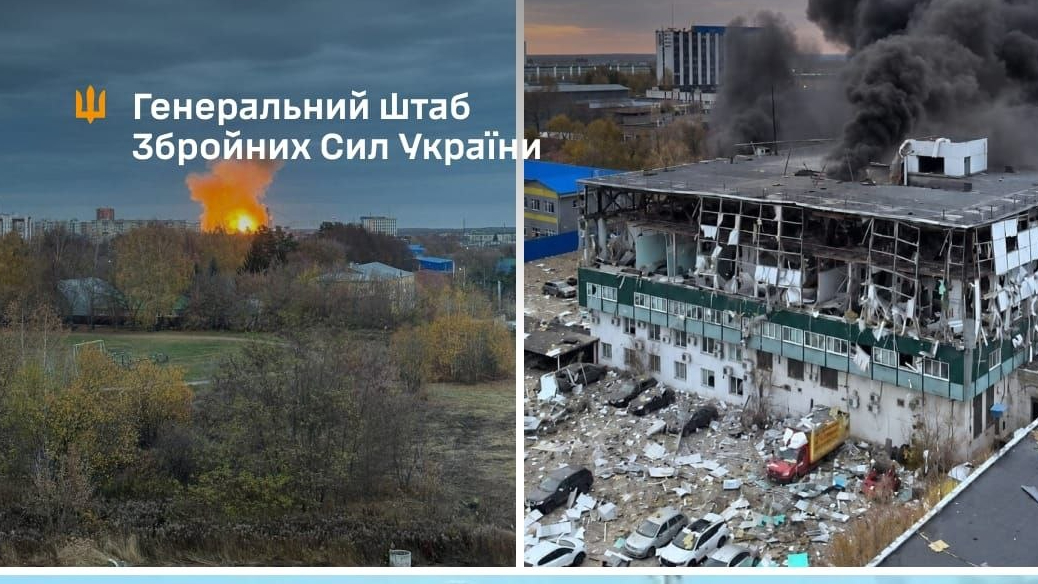
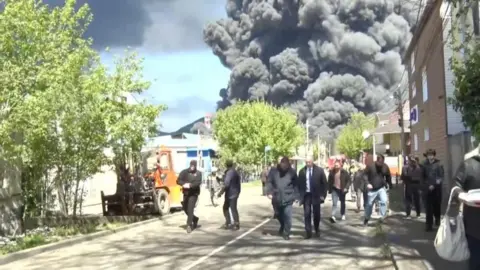
The primary Ukrainian drone strike Russia endured struck the Tuapse oil refinery, a critical infrastructure site, resulting in immediate and visible damage through a large-scale fire.[1][4][5] Officials reported that the attack occurred on Tuesday, confirming it as the latest in a series of Ukrainian operations against this Black Sea port facility.[4] Ukraine's military has openly acknowledged carrying out the strike, underscoring the deliberate nature of the operation against this key energy asset.[4] Video footage circulating from the scene shows flames erupting at the refinery, highlighting the intensity of the blaze following the drone impact.[5] This event prompted swift evacuations, with residents in the vicinity instructed to leave their homes as a precautionary measure.[1][5] The refinery's role as a major Rosneft facility, essential for processing and exporting fuel, amplifies the strategic significance of the target, especially given its prior shutdown due to preceding attacks.[5] Response teams were immediately mobilized, reflecting the urgency of containing the fire and mitigating further risks to the surrounding area.[5] This strike fits into a pattern of Ukrainian efforts to disrupt Russian energy infrastructure, with the Tuapse facility repeatedly coming under fire in recent operations.[1][4]
Details of the Tuapse Incident
At the heart of the incident, a massive fire broke out at the Tuapse oil refinery after the Ukrainian drone strike made direct contact, leading to visible plumes of smoke and heightened emergency protocols.[1][5] Nearby buildings were promptly evacuated, with local authorities directing residents near the burning refinery to vacate the area to ensure public safety.[1][5] The fire's scale necessitated a coordinated response, including firefighting efforts and monitoring for secondary hazards.[5] Complicating the situation, teams are actively working to contain an oil spill that originated from earlier strikes on the same facility, preventing environmental spread from the latest damage.[1] The Kremlin has confirmed that measures are being taken to address the incident, indicating high-level involvement in the management of the crisis.[5] As a pivotal Rosneft operation crucial for fuel exports to various markets, the refinery's repeated targeting underscores vulnerabilities in Russia's energy supply chain along the Black Sea coast.[5] Evacuations were executed without reported casualties in the immediate vicinity, but the ongoing fire and spill containment efforts point to prolonged operational challenges at the site.[1][5] These details paint a picture of a facility under sustained pressure, with each strike compounding the recovery difficulties for Russian authorities.
Related Ukrainian Military Actions
Alongside the refinery strike, Ukraine's Special Operations Forces executed a targeted operation against a storage site for Russian Iskander operational-tactical missile systems in Russian-occupied Crimea.[2] Drones operated by the Middle Strike units of the Ukrainian SOF carried out the strike during the night of 27-28 April, focusing precisely on this weapons depot.[2] The Iskander systems, known for their tactical capabilities, represent a significant component of Russia's arsenal in the region, making the storage site a high-value target.[2] Video evidence from the operation has been released, providing visual confirmation of the drone strikes' impact on the facility.[2] This action demonstrates Ukraine's capacity to extend its drone operations into occupied territories, disrupting Russian logistics and missile stockpiles.[2] The timing, overlapping with the Tuapse refinery attack, suggests coordinated military planning to hit multiple fronts simultaneously.[2] By neutralizing elements of Iskander storage, Ukrainian forces aim to limit Russia's ability to deploy these systems effectively in ongoing hostilities.[2]
Russian Counter-Attack on Kyiv
In response to Ukrainian actions, Russia launched a drone attack on Kyiv, resulting in debris scattering across urban areas and causing injury.[3] The assault took place on 28 April, with drones targeting the capital and fragments landing in the Shevchenkivskyi and Solomianskyi districts.[3] Specific impacts included debris falling on a cemetery and a construction site, posing risks to civilian infrastructure and populated zones.[3] One person sustained injuries during the incident, highlighting the human cost of the aerial exchange.[3] Air defenses in Kyiv intercepted portions of the drone swarm, but the fallout still affected residential and public spaces.[3] This counter-attack reflects the tit-for-tat nature of drone warfare between the two sides, with Russia mirroring Ukraine's tactics by striking deep into enemy territory.[3] The debris distribution across key districts underscores the challenges of urban defense against such low-flying threats.[3]
Context of Ongoing Strikes
The Tuapse refinery strike represents the third Ukrainian assault on this Rosneft facility in less than two weeks, illustrating a sustained campaign against Russian energy targets.[1][4] Earlier attacks had already forced the refinery to halt operations, disrupting its role as a hub for fuel exports and exposing operational weaknesses.[4][5] Efforts to contain the oil spill from those prior incidents were still underway when the latest drone strike occurred, adding layers of complexity to recovery efforts.[1] This frequency of strikes—three in a short span—signals an intensification of Ukrainian long-range capabilities, capable of reaching deep into Russian territory.[1][4] The Black Sea port location of Tuapse amplifies the strategic implications, as it serves as a vital node in Russia's export infrastructure.[4] Ukraine's confirmation of these operations further emphasizes their integration into broader military strategy.[4] Meanwhile, parallel actions like the Crimea missile site strike expand the scope of these efforts beyond energy to weapons infrastructure.[2] The back-and-forth, including Russia's Kyiv drone response, frames a cycle of retaliatory strikes that continue to test both sides' defenses and resilience.[3]
What to watch next: Response measures at the Tuapse refinery, including fire containment and oil spill management, will be critical as authorities address the third strike's aftermath, while further details on the Iskander site damage in Crimea and potential escalations in drone exchanges over Kyiv could emerge soon.[1][2][5]