
Strike on Iran: Thirteen US Troops Killed in War, CENTCOM States
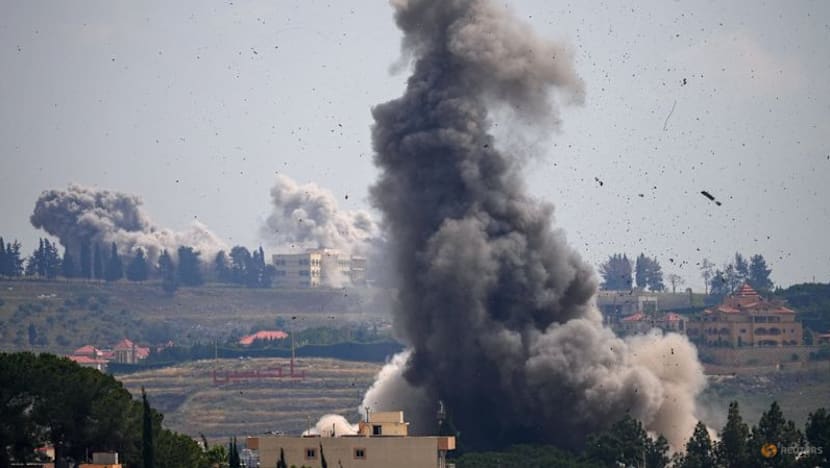
Thirteen US troops were killed and nearly four hundred wounded in the Iran war, according to CENTCOM.[3] This grim toll underscores the escalating intensity of the strike on Iran, where military engagements have drawn in regional powers and disrupted vital maritime routes. Trade ships were hit in the Strait of Hormuz as Iran faces challenges with reopening,[2] while two Indian-flagged tankers were fired upon in the waterway as Iran asserts control.[4] Meanwhile, areas like Al Kharj in Saudi Arabia are adapting to life under Iranian fire.[1] Iran's declaration to control traffic through the Strait of Hormuz comes in retaliation for a US naval blockade.[4]
Overview of the Iran Conflict
The ongoing conflict involving the United States and Iran has seen a series of strikes and military actions that have reshaped regional dynamics. Reports indicate that the US and Israel launched their war on Iran on February 28, marking a significant escalation in hostilities.[5] This followed a so-called ceasefire between Hamas and Israel in October 2025, which has been violated more than 2,000 times, shifting global attention toward broader Middle East tensions.[5] By April 8, the US and Iran announced a two-week truce, even as Israel launched its largest wave of strikes on Lebanon simultaneously.[5]
Central to these developments is the human and strategic cost, with CENTCOM reporting substantial US losses in the Iran war.[3] The strike on Iran has not only involved direct military confrontations but also spillover effects, including disruptions in key waterways and retaliatory measures from Iran. Trade ships have been targeted in the Strait of Hormuz amid faltering efforts to reopen the area, highlighting the fragility of international shipping lanes.[2] These events build on a pattern of intensified actions, where Iran's responses have included assertions of dominance over critical chokepoints.[4] The conflict's overview reveals a multifaceted engagement, with truces offering temporary pauses but underlying violations and new strikes perpetuating the cycle.[5]
Furthermore, the displacement of focus from other regional issues, such as the Palestinian situation, underscores how the strike on Iran has dominated headlines since late February.[5] Military actions have extended beyond bilateral US-Iran clashes, involving allied operations and drawing in neutral actors like India through maritime incidents.[4] This summary captures the reported sequence: initiation of war, interim truces, and ongoing strikes that continue to test diplomatic efforts.[3][5]
US Military Casualties in the Iran War
The reported losses among US troops provide a stark measure of the conflict's human impact. CENTCOM has stated that thirteen US troops were killed and nearly four hundred wounded in the Iran war.[3] This casualty figure reflects the intensity of operations conducted as part of the strike on Iran, where ground, air, and naval engagements have exacted a heavy price on American forces.
Details from CENTCOM emphasize the scale: the nearly four hundred wounded represent a significant number requiring medical attention and long-term care, while the thirteen fatalities mark a tragic milestone in the campaign.[3] These numbers are drawn directly from official military assessments, underscoring the risks faced by personnel deployed in the theater. The Iran war's progression, initiated with US and Israeli actions on February 28,[5] has led to these outcomes amid a landscape of retaliatory strikes and blockades.
The casualties highlight the broader challenges of sustained military involvement, where initial strikes have evolved into prolonged confrontations. CENTCOM's disclosure serves as a key indicator of the war's toll, informing both public awareness and strategic deliberations.[3] Without additional specifics on individual incidents, the aggregate data paints a picture of vulnerability in forward positions, compounded by Iran's responses in adjacent areas like the Strait of Hormuz.[2][4]
Incidents in the Strait of Hormuz
Attacks on shipping in the Strait of Hormuz have intensified as Iran asserts control over this vital waterway. Trade ships were hit amid challenges with reopening the strait, signaling persistent disruptions to global commerce.[2] More specifically, two Indian-flagged tankers carrying crude oil came under gunfire on Saturday in the Strait of Hormuz.[4] This incident prompted the Indian Ministry of External Affairs to summon Iran's ambassador to New Delhi, reflecting diplomatic fallout from the attacks.[4]
Iran's declaration to control traffic through the strait was framed as retaliation for an ongoing US naval blockade, escalating tensions in the waterway.[4] The firing upon the Indian vessels underscores the risks to neutral shipping, as these tankers were engaged in routine crude oil transport.[4] Parallel reports confirm that trade ships in general have been targeted, with Iran's reopening efforts faltering under the strain of conflict.[2]
These incidents in the Strait of Hormuz illustrate the strategic importance of the chokepoint, through which a significant portion of global oil flows. The attacks not only damage vessels but also threaten economic stability, as Iran's control assertions challenge international norms of navigation.[4] The involvement of Indian-flagged ships broadens the conflict's reach, drawing in major oil-importing nations and prompting official responses like the ambassadorial summons.[4] Combined with broader trade ship strikes, these events mark a pattern of maritime aggression tied to the ongoing war.[2]
Regional Impacts in Saudi Arabia
Areas in Saudi Arabia, such as the oasis of Al Kharj, are adapting to life under Iranian fire. Described as being in the eye of the hurricane, Al Kharj faces direct exposure to strikes originating from Iran.[1] Published reports from April 18, 2026, detail how this Saudi oasis is navigating the challenges of ongoing hostilities.[1]
The adaptation in Al Kharj reflects the spillover effects of the Iran conflict into neighboring territories. Iranian fire has transformed daily life in this region, requiring residents and authorities to implement measures for safety and continuity amid the threats.[1] As a key Saudi location, Al Kharj's experience exemplifies how proxy or direct strikes extend the war's footprint beyond primary battlegrounds.
This regional impact ties into the larger narrative of the strike on Iran, where retaliatory actions affect allied states like Saudi Arabia.[1] The oasis's position under fire highlights vulnerabilities in infrastructure and civilian areas, prompting local adjustments that could influence Saudi strategic postures.[1]
Broader Context of the Strikes
Iran's retaliatory measures, including its control over Strait of Hormuz traffic, form a critical part of the strikes' broader context.[4] This assertion responds directly to the US naval blockade, linking maritime disruptions to the war's escalation.[4] The two-week truce announced by the US and Iran on April 8 provided a brief respite, yet it coincided with intensified Israeli actions elsewhere.[5]
Related developments include the initial US and Israeli launch of the war on Iran on February 28, which set the stage for subsequent retaliations.[5] The faltering reopening of the Strait of Hormuz amid trade ship hits further complicates recovery efforts.[2] Diplomatic moves, such as India's summoning of Iran's ambassador following the tanker attacks, indicate widening international involvement.[4]
These elements contextualize the strikes without veering into unrelated themes, focusing on reported chains of action: blockades prompting control declarations, truces amid violations, and persistent maritime threats.[4][5] The interplay of military, naval, and diplomatic fronts defines the conflict's scope.
What to watch next: Monitor developments in the Strait of Hormuz, where Iran's control assertions and challenges to reopening could lead to further ship incidents,[2][4] alongside the status of the US-Iran truce and potential escalations in regional strikes.[5]