Conflict in Lebanon continues as Israeli forces conduct operations in the south
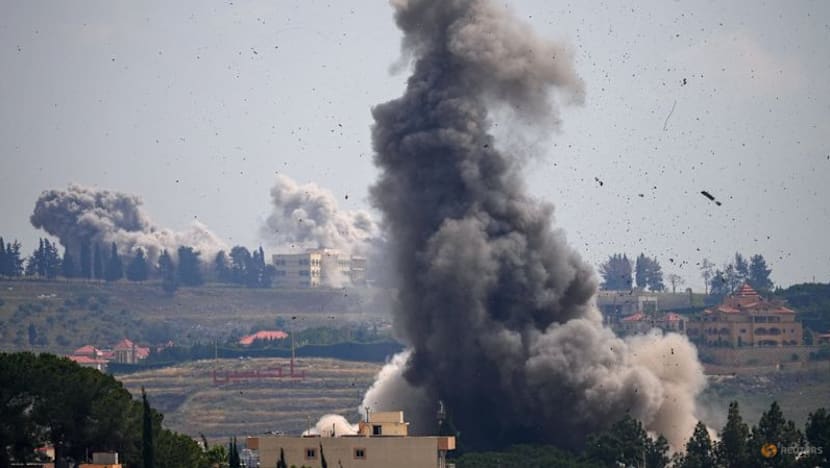
Israeli military operations continue in southern Lebanon with 12 reported deaths, despite an announcement of halted hostilities and UN calls for maximum restraint. In the ongoing conflict lebanon, these developments have drawn renewed attention from international observers tracking the fragile situation along the border.
Continued Israeli Operations in Southern Lebanon
Israeli Defense Minister Israel Katz stated that operations in southern Lebanon will continue and may expand depending on developments along the border. This position underscores Israel’s determination to maintain pressure on Hezbollah as forces assess possibilities for additional actions. Reports indicate that the military activity persisted a day after an announcement aimed at ending clashes, with operations focused on areas in the south. [5] The scope includes strikes that align with prior patterns of engagement, where Israeli forces have concentrated efforts without extending to the capital. Such statements from the defense minister reflect an official stance that the campaign against Hezbollah infrastructure remains active and subject to adjustment based on border conditions. [1]
Hezbollah Response and Firing Patterns
Hezbollah continued firing rockets but limited targets to areas nearer the border. This adjustment in approach came after the group had recently targeted Israeli towns farther from the frontier. The pattern shows sustained activity from Hezbollah even following announcements of halted hostilities, maintaining a level of engagement that mirrors earlier exchanges. [4] These firings have contributed to the overall tension, with both sides exchanging actions despite diplomatic signals intended to de-escalate. The limitation to nearer targets represents a noted shift that observers have tracked amid the continued exchanges.

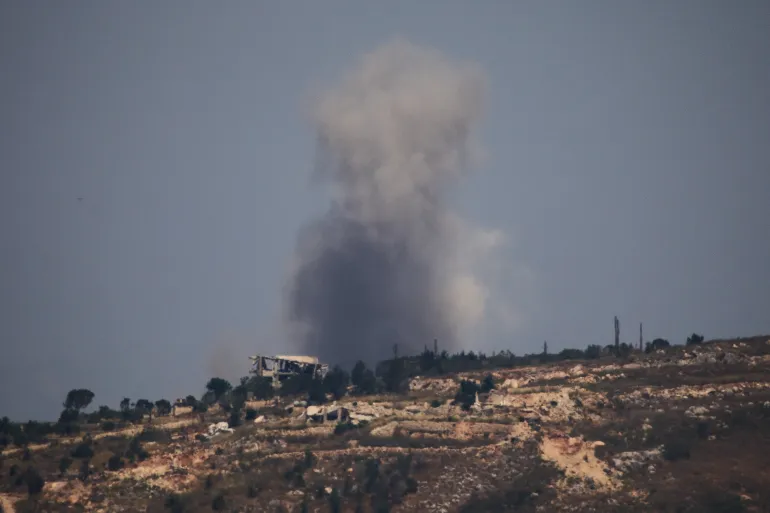
Israeli forces clash with Hezbollah in southern Lebanon overnight amid ongoing operations. — Source: thenewarab
UN and International Calls for Restraint
UN peacekeepers recorded 468 projectile trajectories attributed to Israeli forces. The United Nations has urged maximum restraint amid Israel’s continued intense military activity in Lebanon, with the recorded count highlighting the scale of the operations observed by peacekeepers on the ground. [2] These figures provide a concrete measure of the activity and form the basis for appeals directed at preventing further escalation. International bodies have emphasized the need for all parties to exercise caution to avoid broader involvement.
Impact on Ceasefire and Diplomatic Efforts
International diplomatic efforts are underway to preserve the ceasefire amid threats of broader confrontation. The escalation has prompted intensified efforts to maintain the existing agreement and prevent a wider regional confrontation that could affect related negotiations. [1] A day after the announcement of an end to hostilities, fighting continued with little change from previous days, directly challenging the stability of the ceasefire. [4] These developments illustrate how ongoing military actions on both sides complicate attempts to solidify the pause in large-scale operations.
{IMAGE_3}
Casualties and Geographic Scope of Strikes
Israeli strikes avoided Beirut but hit multiple other locations in Lebanon, resulting in 12 reported deaths across various parts of the country. Lebanon’s Ministry of Public Health has been referenced in connection with casualty figures tied to the strikes. [4] The geographic focus remains on southern and other non-capital areas, consistent with the pattern of avoiding the capital while conducting operations elsewhere. This distribution of impacts has been documented amid the exchanges that persisted beyond the announced halt.
Ongoing Dynamics in Conflict Lebanon and Border Activity
The combination of Israeli operations, Hezbollah rocket activity, and recorded projectile counts continues to shape the immediate environment along the border. Katz’s remarks on potential expansion of actions add a forward-looking element to the military posture, while the UN’s documentation of trajectories supplies an independent tally of events. [5] [2] These elements together sustain the conditions that diplomatic channels are working to address, with the ceasefire facing direct tests from the reported incidents.
What to watch next: Observers will monitor whether Israeli operations expand further as stated by the defense minister, any shifts in Hezbollah targeting, and progress in the international talks aimed at reinforcing the ceasefire.